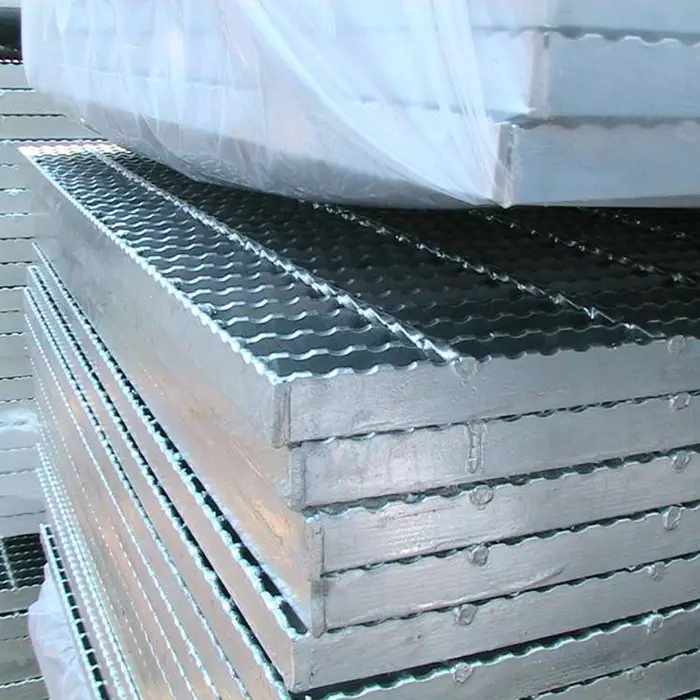

Driveway Chain Link Fencing: A Comprehensive Guide
Securing your property with a reliable fence is a key consideration for any homeowner. Driveway chain link fencing offers a durable, cost-effective, and versatile solution. This article delves into the benefits, installation considerations, maintenance tips, and cost factors associated with chain link fences, providing a complete overview for those considering this fencing option. Choosing the right fence can significantly enhance your property's security and curb appeal.
Why Choose Driveway Chain Link Fencing?
Chain link fencing is a popular choice for driveways due to its affordability and effectiveness. It provides a clear line of sight, enhancing security by allowing you to monitor activity around your property. Furthermore, it requires minimal maintenance compared to other fencing materials like wood. Its open weave design allows for airflow, preventing wind resistance issues. It's a highly customizable option; you can choose different heights, gauges (wire thickness), and finishes (galvanized, vinyl-coated) to suit your needs and budget. Selecting a reliable supplier like Fencing Wire Mesh ensures quality and durability.
Key Benefits: Affordability, durability, security, low maintenance, clear visibility, and customizable options.
Understanding Chain Link Gauge and Height
The gauge of the chain link wire refers to its thickness – lower gauge numbers indicate thicker, more durable wire. For driveways, a 9-gauge or 11-gauge chain link is generally recommended for optimal security and longevity. Height is another crucial factor. A 4-foot fence is a common choice for basic security and containment, while a 6-foot fence provides increased privacy and a stronger deterrent against intruders. Consider local regulations regarding fence height restrictions before making a decision.
Chain Link Specifications:
• 9-Gauge: Heavy-duty, ideal for high-security applications.
• 11-Gauge: A good balance of strength and affordability for residential use.
• 4-Foot Height: Basic security and containment.
• 6-Foot Height: Enhanced privacy and security.
Chain Link Fencing: Galvanized vs. Vinyl-Coated
Chain link fencing is available in two primary finishes: galvanized and vinyl-coated. Galvanized chain link is coated with zinc to protect against rust and corrosion. It's a more affordable option but can still rust over time, especially in coastal environments. Vinyl-coated chain link features a protective vinyl layer over the galvanized wire, providing superior corrosion resistance and a more aesthetically pleasing appearance. While more expensive upfront, vinyl-coated chain link offers long-term durability and reduced maintenance.
Driveway Chain Link Fence Installation Considerations
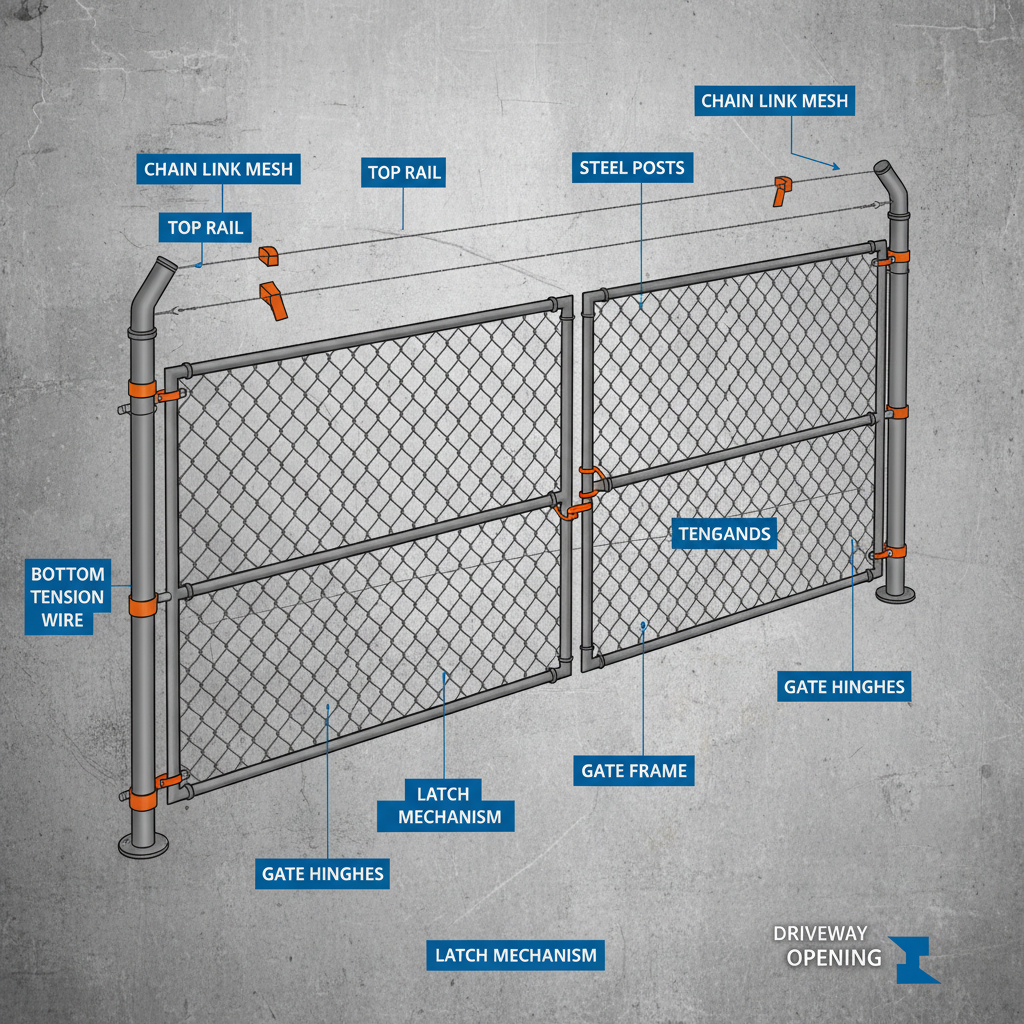
Proper installation is crucial for the longevity and effectiveness of your chain link fence. This typically involves setting posts in concrete, attaching the chain link fabric to the posts using tension bands and brace bands, and installing a top rail. Consider the terrain; uneven ground may require stepped posts or adjustments to ensure a level fence line. For a professional installation, or high-quality fencing materials, Fencing Wire Mesh provides excellent support and products.
Cost of Driveway Chain Link Fencing
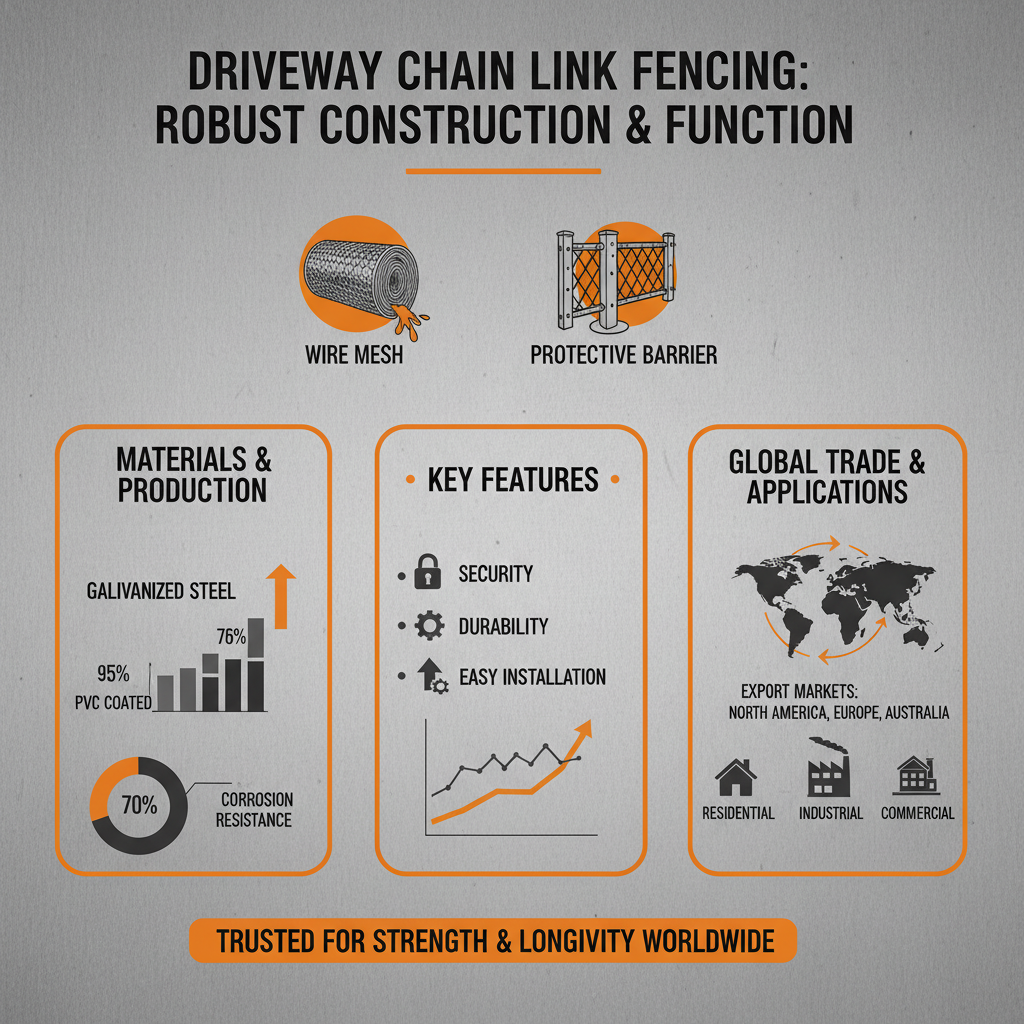
The cost of driveway chain link fencing varies depending on several factors, including the height, gauge, finish (galvanized or vinyl-coated), and the length of the fence. Installation costs also add to the overall expense. On average, you can expect to pay between $10 and $30 per linear foot installed. Getting quotes from multiple suppliers and installers is recommended to ensure you get the best price. Remember to factor in the cost of gate hardware if you plan to incorporate a gate into your fence.
Conclusion: Securing Your Property with Chain Link
Driveway chain link fencing remains a practical and affordable solution for securing your property. Its durability, low maintenance, and versatility make it an excellent choice for homeowners. By considering the factors outlined in this guide – gauge, height, finish, and installation – you can make an informed decision and enjoy a secure and attractive fence for years to come.
Frequently Asked Questions (FAQs)
What is the recommended post spacing for a chain link fence?
Generally, chain link fence posts are spaced 8 to 10 feet apart. This provides adequate support for the chain link fabric. However, in areas with high winds or uneven terrain, closer post spacing may be necessary to ensure the fence's stability. Consult with a fencing professional to determine the optimal post spacing for your specific property and conditions.
How long does it typically take to install a chain link fence?
The installation time depends on the length of the fence, the complexity of the terrain, and the experience of the installers. A typical driveway chain link fence, around 100-200 feet in length, can take 2-3 days to complete. More complex installations or larger fences may take longer. Proper preparation and efficient installation techniques are key to minimizing the time required.
What maintenance is required for a chain link fence?
Chain link fences require minimal maintenance. Regularly inspect the fence for any damage, such as broken links or loose tension bands. For galvanized fences, address any rust spots promptly with a rust-inhibiting primer and paint. Vinyl-coated fences require even less maintenance, typically only needing occasional cleaning with mild soap and water.
Can I install a chain link fence myself?
While it's possible to install a chain link fence yourself, it's generally recommended to hire a professional installer. Proper installation requires specific tools, knowledge, and experience to ensure the fence is structurally sound and secure. Incorrect installation can lead to premature failure or safety hazards.