
Choosing the Right Chain Link Fence Lattice for Your Project
Enhancing the aesthetic appeal and security of your chain link fence is easily achievable with chain link fence lattice. This versatile addition provides privacy, wind protection, and a decorative touch. This article will guide you through the different types of lattice, installation tips, common uses, and factors to consider when making your purchase. We’ll cover everything from material options to sizing and maintenance, ensuring you select the perfect lattice to complement your fencing needs. Understanding your options is key to maximizing both beauty and functionality.
Types of Chain Link Fence Lattice
Several options exist when it comes to chain link fence lattice, each with its own advantages. The most common materials include PVC-coated steel, polyethylene, and wood. PVC-coated steel offers excellent durability and weather resistance, making it a popular choice for long-term installations. Polyethylene lattice is lightweight and more affordable, ideal for temporary or less demanding applications. Wooden lattice provides a natural look, but requires regular maintenance to prevent rot and decay. The type of lattice you choose will depend on your budget, aesthetic preferences, and the environmental conditions in your area.
Key Takeaway: Choosing the right material for your lattice depends on your specific needs, budget, and climate. PVC-coated steel offers the best combination of durability and cost-effectiveness for most applications.
Installation Considerations for Chain Link Lattice
Installing chain link fence lattice is a relatively straightforward process, but requires careful planning and execution. First, measure the height and length of the area you wish to cover. Then, secure the lattice to the chain link fence using zip ties, wire, or specialized lattice fasteners. Ensure the lattice is taut and evenly spaced for a professional appearance. For longer fences, consider using multiple sections of lattice to minimize sagging. Always follow the manufacturer’s instructions for specific installation guidelines. Proper installation is crucial for ensuring the lattice remains secure and provides the desired level of privacy and protection.
Installation Tips:
• Use UV-resistant zip ties or wire for long-lasting security.
• Overlap lattice sections slightly for a seamless look.
• Regularly inspect and tighten fasteners as needed.
Comparing Chain Link Fence Lattice Materials
Selecting the right material is paramount. Here’s a direct comparison to aid your decision. Understanding the strengths and weaknesses of each option ensures you invest in a solution that aligns with your needs and budget. Consider factors like lifespan, maintenance requirements, and aesthetic preferences when making your final choice.
Common Uses for Chain Link Fence Lattice
The applications for chain link fence lattice are diverse. It's frequently used to create privacy screens in residential areas, block wind in gardens, and enhance the aesthetic appeal of commercial properties. It can also serve as a support structure for climbing plants, adding a touch of natural beauty to your fence line. Popular uses also include concealing unsightly views and providing a more secure barrier for pets and children. The versatility of lattice makes it a valuable addition to any chain link fence project.
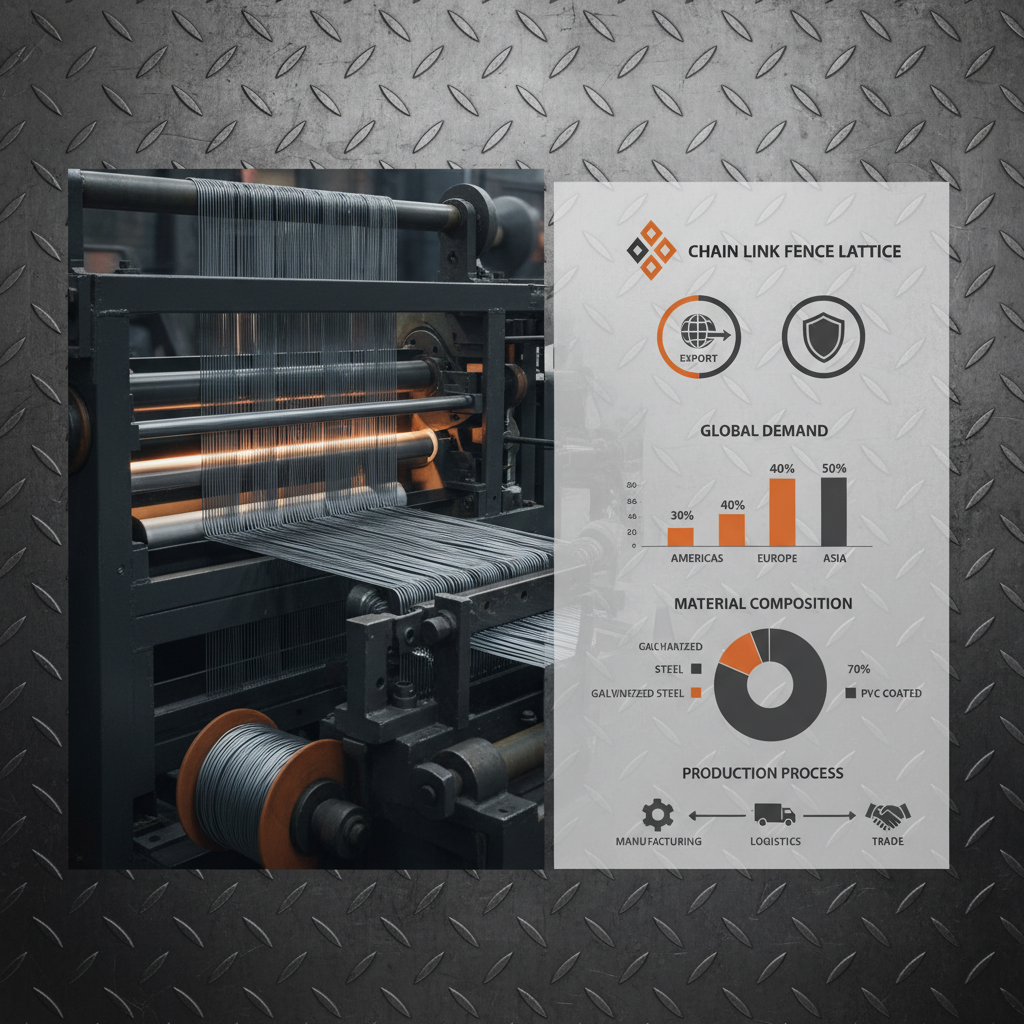
Choosing the Right Lattice Size and Mesh
Selecting the correct lattice size and mesh pattern is crucial for achieving the desired look and functionality. Lattice is available in various mesh sizes, ranging from small diamond patterns to larger square openings. The mesh size affects the level of privacy and wind resistance. Common heights include 4ft, 6ft, and 8ft, while lengths are typically sold in standard increments. Consider the overall height of your fence and the amount of coverage you desire when choosing your lattice size. You can find a wide selection of sizes and patterns at Fencing Wire Mesh.
Conclusion: Enhance Your Fence with Lattice
Adding chain link fence lattice is a cost-effective way to improve the appearance, privacy, and functionality of your fence. By carefully considering the material, installation, and size options, you can create a beautiful and secure outdoor space. Investing in quality lattice ensures long-lasting performance and enhances the value of your property.
Frequently Asked Questions (FAQs)
How long will PVC-coated steel lattice last?
PVC-coated steel lattice is exceptionally durable and can last for 10-20 years or more with minimal maintenance. The PVC coating protects the steel from rust and corrosion, ensuring long-term performance even in harsh weather conditions. Regular cleaning with mild soap and water can help preserve its appearance. However, damage from physical impacts or extreme weather events can shorten its lifespan.
Can chain link fence lattice be painted?
While it's possible to paint chain link fence lattice, it's not always recommended. Paint may not adhere well to the PVC coating or wood surface, and it can chip or peel over time. If you do choose to paint, use a paint specifically designed for outdoor use and follow the manufacturer’s instructions carefully. Proper surface preparation, including cleaning and priming, is essential for achieving a lasting finish. Consider the impact on the lattice's warranty before painting.
What is the best way to secure lattice to a chain link fence?
UV-resistant zip ties are a popular and convenient option for securing lattice to a chain link fence. Alternatively, you can use galvanized steel wire or specialized lattice fasteners for a more permanent solution. Ensure the fasteners are spaced evenly along the top and bottom of the lattice and that they are tightened securely. Regularly inspect the fasteners to ensure they remain in place and haven't loosened over time.