
Hexagonal Fence is a key solution in the industry, specifically within agricultural, construction, and industrial applications. This article explores how https://www.fencingwiremesh.com supports professionals with durable, high-performance products, and explains why this product is an ideal choice for businesses in these sectors.
Table of Contents
- Hexagonal Fence Overview
- Benefits & Use Cases of Hexagonal Fence
- Cost, Maintenance & User Experience
- Sustainability & Market Trends
Hexagonal Fence Overview
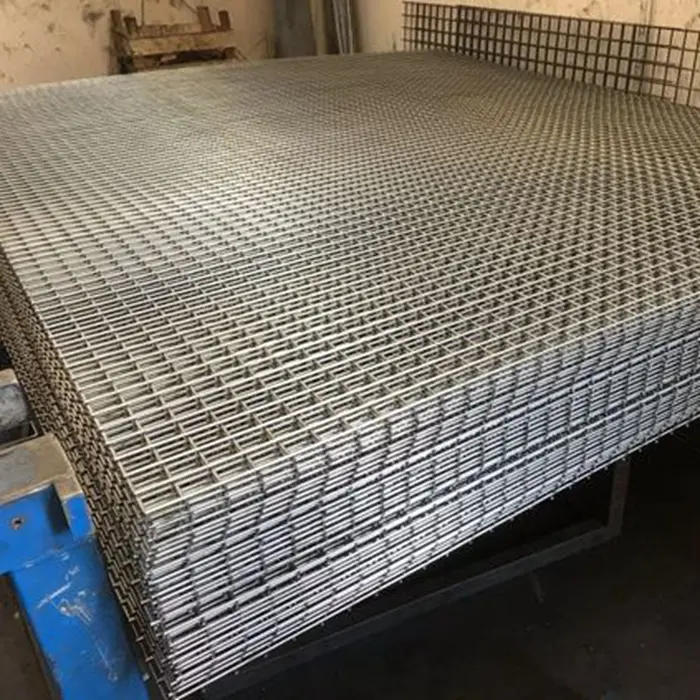
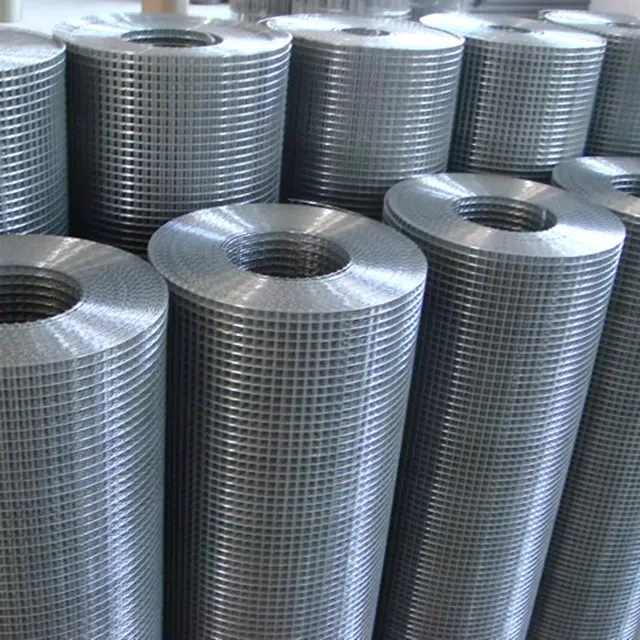
When we talk about a Hexagonal Fence, we’re referring to a unique style of wire mesh featuring hexagonally shaped openings. This design isn’t just for aesthetics – it’s fundamental in creating flexible yet robust fencing solutions widely used in everything from agriculture to construction sites. The hexagonal pattern offers a level of elasticity that allows the fence to bend without breaking, unlike traditional square or rectangular mesh fences.
Technically, this wire mesh is usually made from galvanized steel or PVC-coated wire for corrosion resistance. The wire diameter and mesh opening size vary depending on application, but you’ll typically find thickness ranging from 0.8 mm to 2.5 mm, with opening sizes between 10 mm up to 50 mm. One interesting case study I came across was a farming operation that switched from chain-link fencing to hexagonal fence mesh, noting a significant boost in longevity and ease of repair.
| Specification | Typical Range |
|---|---|
| Material | Galvanized Steel, PVC-coated Wire |
| Wire Diameter | 0.8 mm to 2.5 mm |
| Mesh Opening Size | 10 mm to 50 mm (hexagonal) |
| Roll Length | 10 m to 50 m |
Benefits & Use Cases of Hexagonal Fence
Frankly, the versatility of hexagonal fence mesh is what makes it a staple across several industries. In agriculture, it serves to fence animals safely without risk of injury thanks to its smooth edges and flexibility. Many livestock farmers prefer it for enclosing poultry or sheep pens because it’s light enough to handle yet strong against animal pressure.
Construction companies leverage hexagonal fencing for temporary site barriers, as it can be quickly installed, removed, and reused. A competitive edge it has compared to metal sheets or rigid panels is its breathability and lower wind resistance, reducing strain on anchoring systems. Oddly enough, civil engineering projects use it to stabilize slopes by combining the mesh with concrete or soil reinforcement.
Overall, the hexagonal design distributes pressure evenly, which minimizes breakage and extends fence life. Additionally, a product sourced from a trusted vendor, like https://www.fencingwiremesh.com, guarantees quality steel and precise manufacturing standards that meet industrial durability requirements.
Cost, Maintenance & User Experience
So, let’s talk dollars and cents because that’s always a pivotal factor for B2B decision makers. In real terms, hexagonal fences offer an excellent total cost of ownership. Even if the initial purchase price is slightly above cheaper alternatives, the longevity and minimal maintenance requirements often pay off handsomely over time.
Customers in agricultural sectors have reported fewer repairs due to the mesh's ability to flex and self-heal minor deformations without wire snapping. The galvanized coating, or optional PVC covering, mitigates rust — which means no costly repainting or replacements after exposure to harsh weather.
User feedback consistently emphasizes the fence’s ease of installation and adaptability to uneven terrain, which, frankly, saves on labor costs and installation headaches. You do need a bit of know-how for optimal mesh tensioning, but after a quick briefing, crews tend to assemble fences quickly and reliably.
| Vendor | Product Quality | Pricing | Lead Time | Customization |
|---|---|---|---|---|
| FencingWireMesh.com | High (galvanized & PVC options) | Competitive | 2-3 weeks | Yes (sizes & coatings) |
| Vendor B | Medium | Lower | 4-6 weeks | Limited |
| Vendor C | High | Higher | 1-2 weeks | Yes (limited) |
Sustainability & Market Trends
Sustainability isn’t just a buzzword anymore — it’s a mandate. I suppose many companies, especially in construction and agriculture, are looking more closely at the lifecycle of their materials. Hexagonal fence mesh, especially when made from recyclable galvanized steel and coated with environmentally friendly PVC, fits nicely into greener supply chains.
Currently, industry regulations emphasize longer-lasting materials to reduce waste and frequent replacements. The simplicity of repairing rather than replacing mesh panels means less environmental impact. Beyond that, innovative coating technologies are emerging, offering anti-corrosion properties with lower volatile organic compound (VOC) outputs.
Market dynamics show rising demand across emerging markets where fencing solutions adapt to modern rural infrastructure development and urban expansion. This growth is continuously driving vendors like FencingWireMesh.com to optimize logistics, product ranges, and customization to meet evolving client needs.
Frequently Asked Questions about Hexagonal Fence
- What is Hexagonal Fence and how does it work?
- Hexagonal fence is a type of wire mesh fencing characterized by six-sided, hexagon-shaped openings. This geometric pattern provides flexibility and distributes force evenly across the mesh, allowing the fence to bend instead of snapping under pressure. It’s made from galvanized or coated wire, which resists rust and corrosion, making it durable outdoors.
- What are the main benefits of using Hexagonal Fence in industrial applications?
- The main benefits include excellent durability, flexibility, and corrosion resistance. It’s cost-effective due to its longevity and ease of repair. Its lightweight structure allows quick installation and adaptability to uneven terrain. The breathable mesh design also reduces wind load, making it practical for large outdoor enclosures.
- How does Hexagonal Fence compare to traditional alternatives?
- Compared to traditional metal sheet or chain-link fencing, hexagonal mesh offers greater flexibility and resilience to deformation. It’s easier to install and repair while often costing less over its lifetime. Its corrosion resistance is also typically superior due to galvanization and coating options.
- What industries can benefit most from Hexagonal Fence implementation?
- Agriculture, construction, civil engineering, and landscaping industries gain the most. Farms use it for livestock containment, construction sites for secure temporary barriers, and engineers for soil stabilization projects. Many clients report improved operational efficiency and reduced maintenance costs after switching to hexagonal fencing.
Conclusion on Hexagonal Fence from china
To wrap it up, the Hexagonal Fence remains a standout choice for businesses that require fencing solutions combining flexibility, durability, and cost-efficiency. Whether you’re securing livestock or safeguarding a construction site, its ease of installation, longevity, and sustainable features make it a reliable partner. Feel free to visit our website for detailed product options and customized advice to fit your project needs.
- Industry Reports on Agricultural Fencing, 2023
- Construction Material Durability Studies, 2022
- Environmental Impacts of Coated Wire Mesh, Journal of Materials, 2024