
Understanding Metal Netting Fence: A Comprehensive Guide
Metal netting fence, also known as wire mesh fencing, is a versatile and durable solution for a wide range of applications, from agricultural enclosures to security perimeters. Its affordability, ease of installation, and long-lasting performance make it a popular choice for both residential and commercial properties. This article will delve into the different types of metal netting fence, their uses, installation tips, and key considerations when making a purchase. Choosing the right netting fence is crucial for ensuring the security and functionality of your property.
Types of Metal Netting Fence
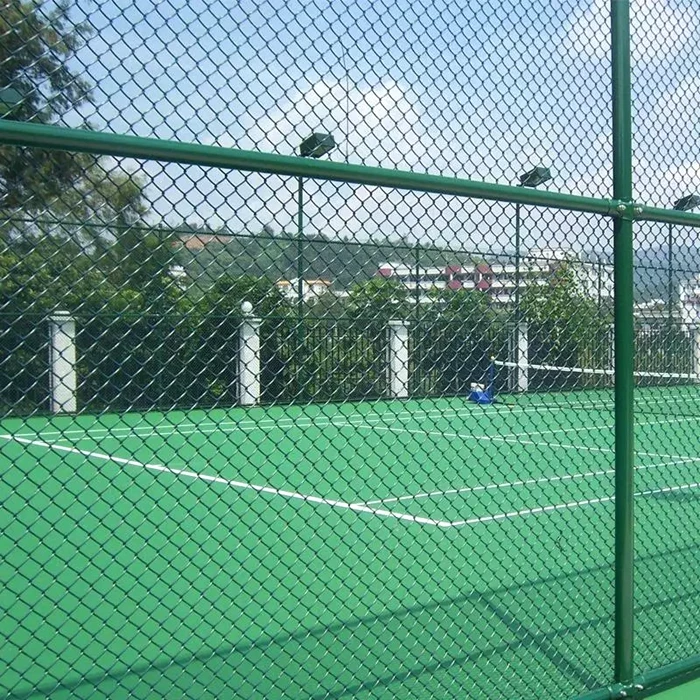
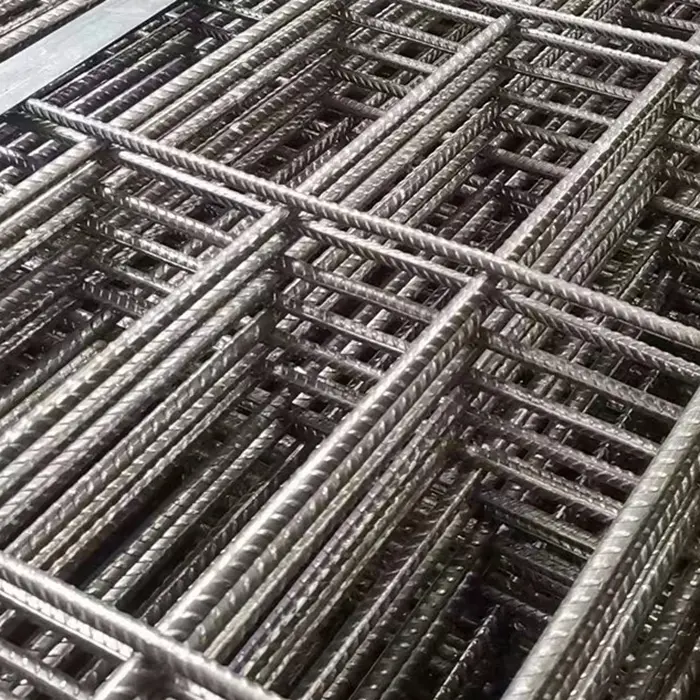
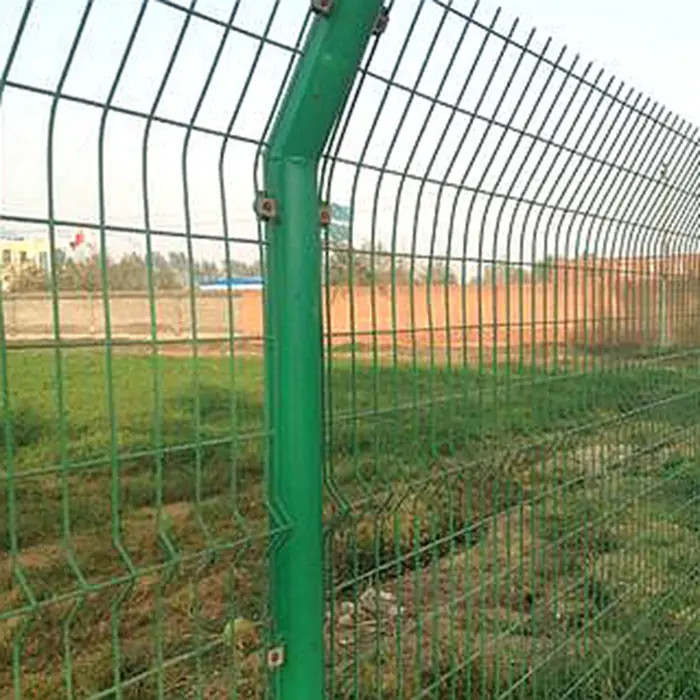
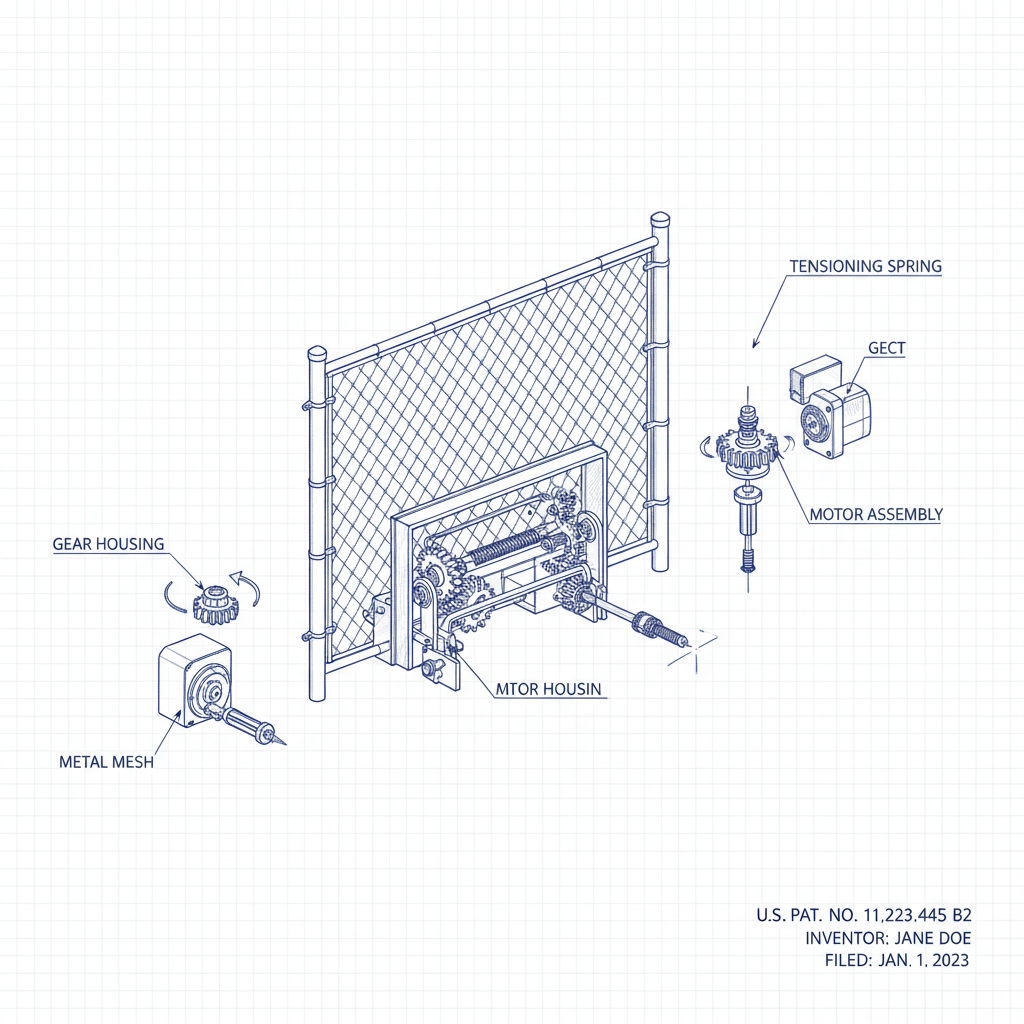
Metal netting fence isn’t a one-size-fits-all product. Different materials and weave patterns cater to specific needs. Galvanized steel netting is a common choice for its rust resistance and affordability. Stainless steel netting offers superior corrosion resistance, making it ideal for coastal environments or areas exposed to harsh chemicals. Welded wire netting provides a rigid and robust barrier, perfect for animal enclosures. Woven wire netting offers flexibility and is often used for poultry fencing or garden protection. The choice depends on factors like budget, required strength, and environmental conditions. Understanding these differences is key to selecting the appropriate metal netting fence for your project.
Key Highlights: Metal netting fence provides a cost-effective and versatile fencing solution for a wide array of applications, ranging from agricultural use to residential security.
Applications of Metal Netting Fence
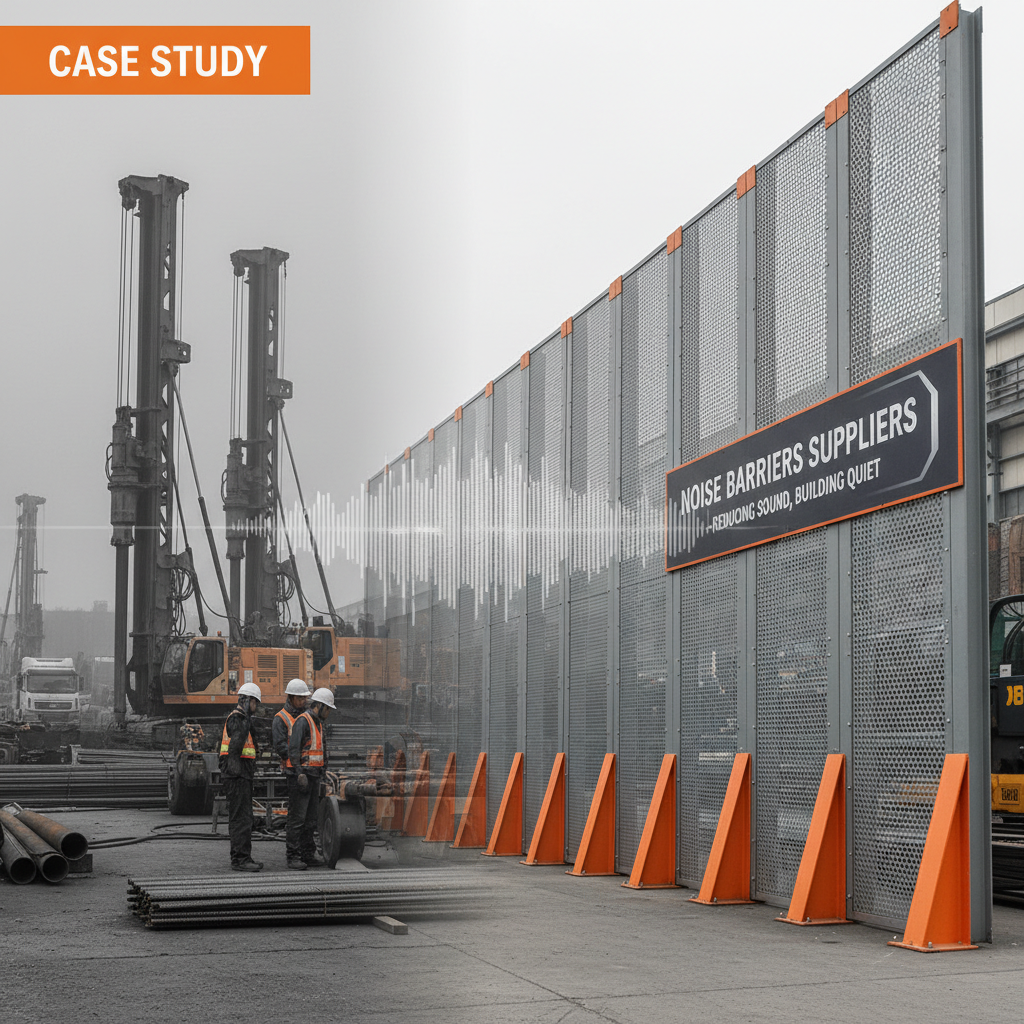
The versatility of metal netting fence allows it to be used in numerous scenarios. In agriculture, it effectively contains livestock, protects crops from pests, and creates secure poultry enclosures. For residential properties, it provides perimeter security, defines property lines, and keeps pets safely contained. Commercially, it's utilized for construction site security, crowd control, and industrial fencing. Its durability and relatively low cost make it an attractive option for various applications. Choosing the correct mesh size and gauge is crucial for ensuring the fence adequately fulfills its intended purpose.
Common Applications:
• Agricultural Enclosures
• Residential Security
• Garden and Pest Control
• Construction Site Perimeter Security
Metal Netting Fence: A Comparison of Materials
Selecting the right material for your metal netting fence is crucial for its longevity and performance. Galvanized steel offers a balance of strength and cost-effectiveness, but is susceptible to rust over time, particularly in harsh environments. Stainless steel provides superior corrosion resistance, making it a preferred choice for coastal areas, but comes at a higher price point. PVC-coated netting provides an additional layer of protection against the elements and can be aesthetically pleasing. Understanding the pros and cons of each material will help you make an informed decision.
Installation Considerations for Metal Netting Fence
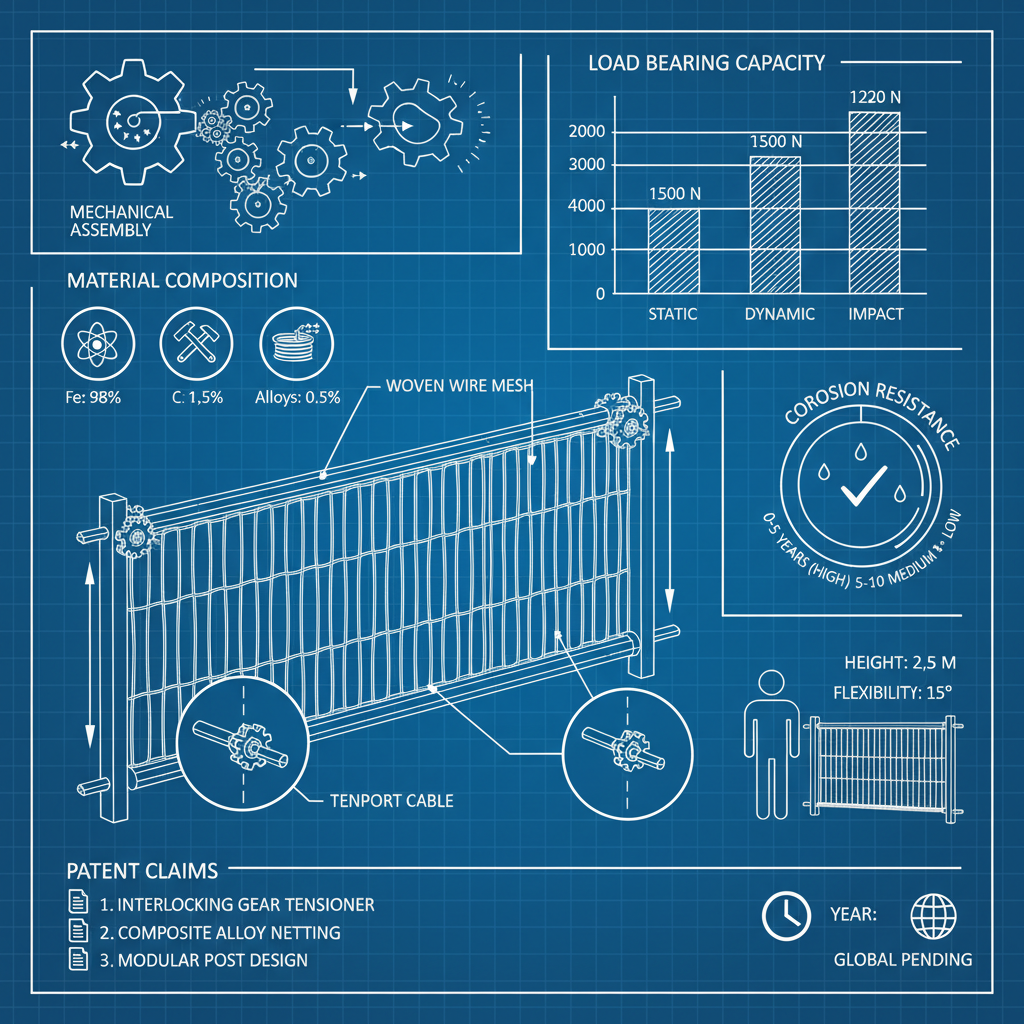
Proper installation is essential for the longevity and effectiveness of your metal netting fence. Start by marking the fence line and setting posts at regular intervals, typically 8-10 feet apart. Ensure posts are securely anchored in the ground using concrete or post hole diggers. Stretch the netting tightly between posts, using tension bars or wire to secure it. Overlap the netting at corners and joints for added strength. For best results, consider hiring a professional fencing contractor, especially for larger projects. You can find quality metal netting fence and related supplies from reputable suppliers.
Choosing the Right Supplier
Selecting a reliable supplier is paramount. Look for companies with a proven track record, positive customer reviews, and a wide selection of products. Consider factors like pricing, shipping costs, and customer support. A good supplier should be able to provide expert advice and assist you in choosing the right netting fence for your specific needs. Fencing Wire Mesh offers a comprehensive range of high-quality metal netting fence products and professional support.
Conclusion: A Secure and Reliable Fencing Solution
Metal netting fence offers a cost-effective, durable, and versatile solution for a wide range of fencing needs. By understanding the different types of netting, their applications, and installation requirements, you can make an informed decision and ensure a secure and long-lasting fence. Don't hesitate to consult with professionals at Fencing Wire Mesh for personalized assistance and quality products.
Frequently Asked Questions (FAQs)
What is the typical lifespan of a metal netting fence?
The lifespan of a metal netting fence depends significantly on the material and environmental conditions. Galvanized steel netting typically lasts 10-20 years with proper maintenance. Stainless steel netting can last for decades, even in harsh coastal environments. PVC-coated netting can also offer a long lifespan, protecting the underlying metal from corrosion. Regular inspection and occasional repairs can extend the fence's life. Factors like exposure to salt air, chemicals, and abrasion will impact longevity.
How much does metal netting fence cost?
The cost of metal netting fence varies depending on the material, height, length, and mesh size. Galvanized steel is the most affordable option, typically ranging from $1 to $3 per linear foot. Stainless steel is considerably more expensive, costing between $3 and $8 per linear foot. Installation costs will add to the total expense. Obtaining quotes from multiple suppliers is recommended to compare prices and find the best deal.
What mesh size is best for keeping small animals out?
For keeping small animals like rabbits, chickens, or rodents out, a mesh size of 1 inch or smaller is generally recommended. A ½ inch mesh is even more effective for preventing the entry of very small pests. The smaller the mesh, the more secure the barrier, but it may also come at a higher cost. Consider the specific animals you’re trying to exclude when selecting the appropriate mesh size.