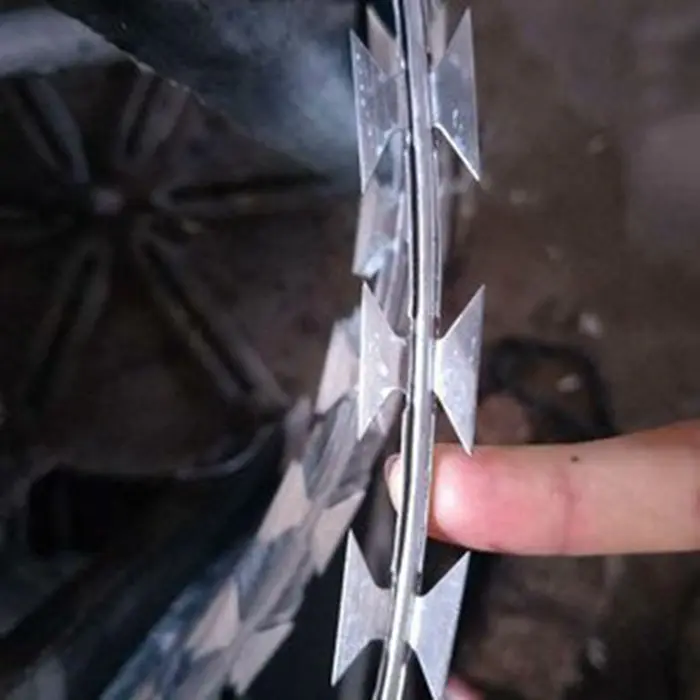

Noise Barriers Design: Effective Solutions for Sound Control
In today’s increasingly noisy world, effective noise barriers design are essential for protecting communities, workplaces, and sensitive environments from unwanted sound pollution. From highways to industrial sites, strategic implementation of noise reduction strategies significantly enhances quality of life and complies with regulatory standards. This article explores the principles of noise barrier design, materials used, key considerations, and how fencing wire mesh plays a crucial role in these applications. Properly designed barriers can dramatically reduce noise levels, fostering healthier and more productive environments.
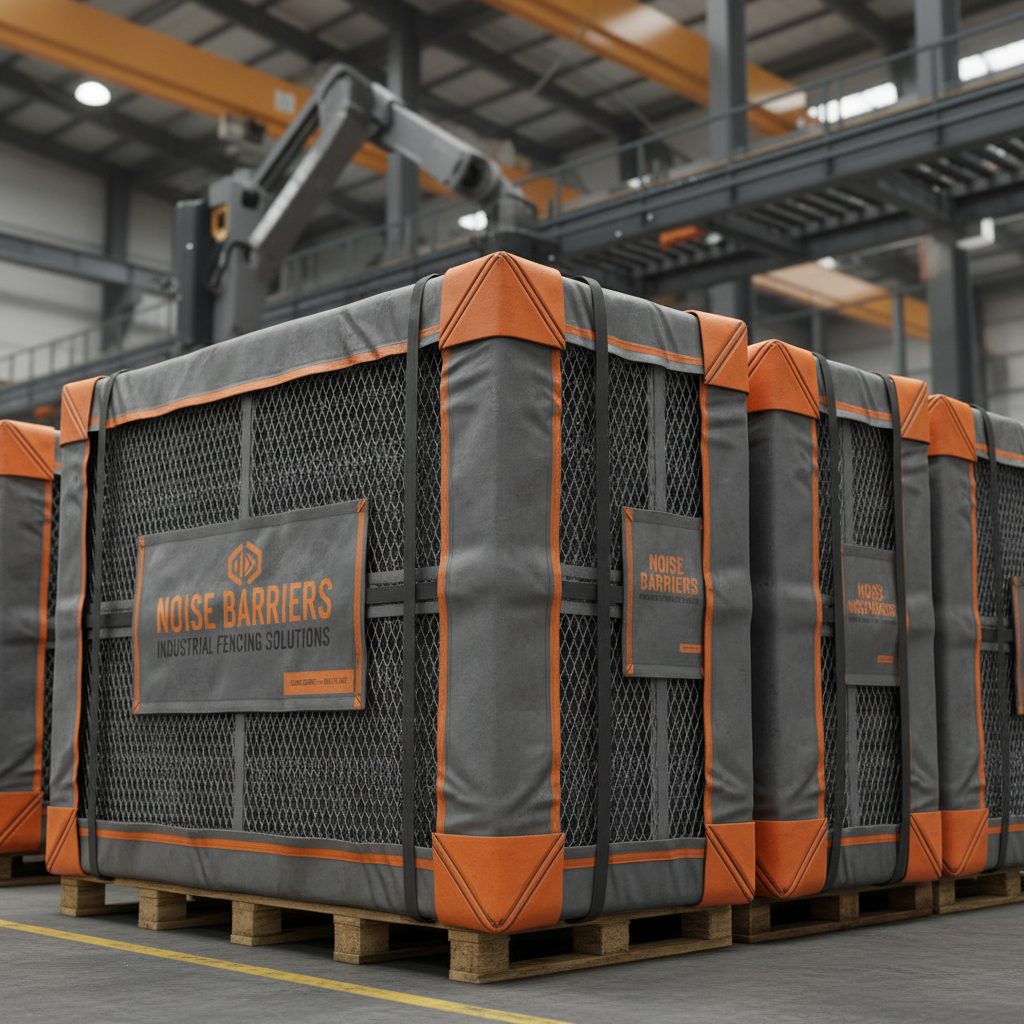
Understanding the Principles of Noise Reduction
Effective noise barriers rely on several core principles. First, the barrier must be massive enough to physically block sound waves. Sound behaves as waves, and denser materials offer greater resistance. Second, height plays a critical role; taller barriers provide a ‘shadow zone’ where sound intensity is significantly reduced. Third, minimizing gaps or flanking paths (where sound can travel around the barrier) is vital. Careful design considers the topography of the land and the specific noise sources to optimize performance. Furthermore, the absorptive properties of the barrier’s surface contribute to noise reduction by minimizing reflections. Ultimately, a successful design balances cost, aesthetics, and acoustic performance.
Key Principles: Blocking, Height, Sealing Gaps, Absorption, and Strategic Placement.
Materials Commonly Used in Noise Barrier Construction
A variety of materials are utilized in noise barrier construction, each with its own strengths and weaknesses. Concrete is a robust and effective barrier material, offering excellent mass and durability. Wood, while aesthetically pleasing, requires more maintenance and may not provide the same level of soundproofing as concrete. Earth berms (mounds of soil) are a natural and cost-effective solution, but require significant space. Metal barriers, particularly those utilizing wire mesh, offer a good balance of strength, cost-effectiveness, and aesthetic appeal. Often, a combination of materials is used to optimize performance and meet specific project requirements. For example, a concrete base might be topped with a metal mesh panel for added sound absorption.
Common Noise Barrier Materials:
• Concrete: High mass, durable.
• Wood: Aesthetically pleasing, requires maintenance.
• Earth Berms: Natural, cost-effective (requires space).
• Metal (Wire Mesh): Strong, cost-effective, versatile.
The Role of Fencing Wire Mesh in Noise Barrier Design
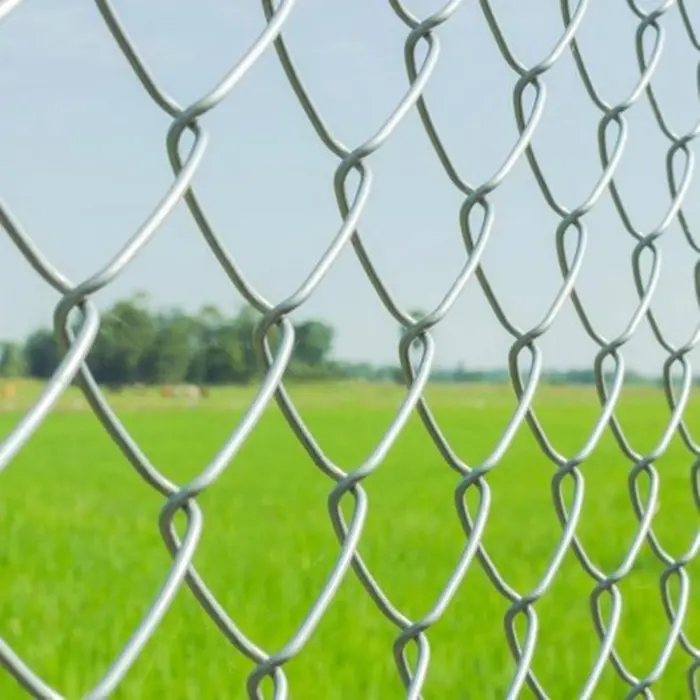
Fencing wire mesh offers a versatile and cost-effective solution for noise barrier construction. When combined with a solid backing material like concrete or wood, the mesh provides a highly effective sound barrier. The open weave allows for some airflow, reducing wind loading on the structure. Furthermore, the mesh can be treated with sound-absorbing materials to enhance its acoustic performance. Different mesh densities and configurations can be selected to meet specific noise reduction requirements. Its inherent strength and durability also ensure long-lasting performance in various environmental conditions. Wire mesh fencing is easily installed and can be integrated into existing structures or used to create standalone barriers.
Key Considerations for Effective Noise Barrier Design
Several factors must be considered to ensure optimal noise barrier performance. Accurate noise source identification and measurement are crucial for determining the required barrier height and length. The topography of the land significantly impacts sound propagation, so careful site analysis is essential. Flanking paths (sound traveling around the barrier) must be minimized through careful sealing and design. Aesthetic considerations are also important, particularly in residential areas, where the barrier should blend into the surrounding environment. Compliance with local noise regulations is paramount. Finally, the long-term maintenance requirements of the barrier material should be factored into the design process.
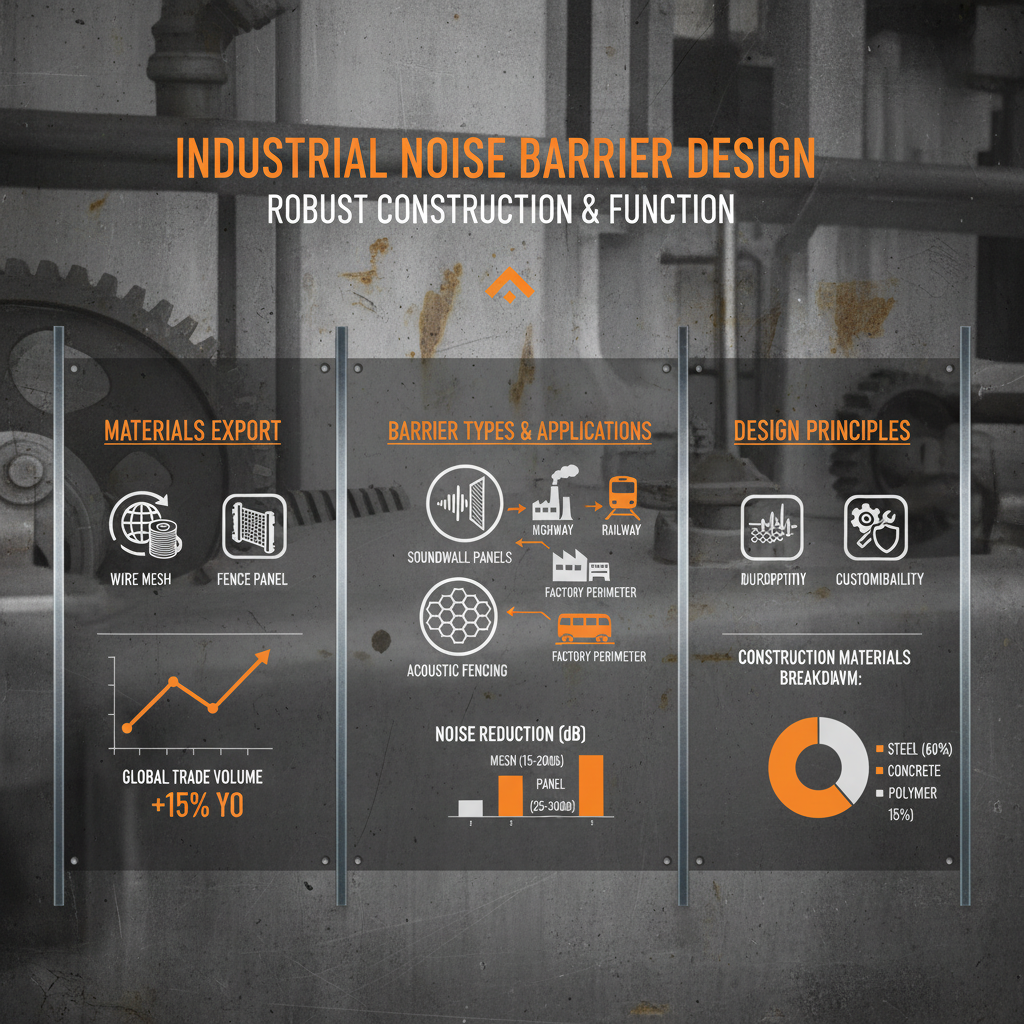
Applications of Noise Barriers
Noise barriers are widely used in various applications. Along highways and railways, they protect nearby communities from traffic noise. Around industrial facilities and airports, they mitigate noise pollution and enhance worker safety. In residential areas, they provide a peaceful living environment. Near schools and hospitals, they create quieter learning and healing spaces. Moreover, noise barriers are increasingly utilized in commercial developments to improve the quality of life for occupants and visitors. From protecting residential areas to enhancing industrial environments, the applications of effective noise barrier designs are vast and impactful.
Conclusion: Investing in a Quieter Future
Effective noise barriers design are critical for protecting communities and improving quality of life. By understanding the principles of sound reduction, carefully selecting materials (including versatile solutions like fencing wire mesh), and addressing key design considerations, we can create quieter, healthier, and more productive environments.
Frequently Asked Questions (FAQs)
What is the typical lifespan of a noise barrier?
The lifespan of a noise barrier varies depending on the materials used and the environmental conditions. Concrete barriers can last 50 years or more with minimal maintenance. Metal mesh barriers, particularly those with protective coatings, typically have a lifespan of 20-30 years. Wood barriers require more frequent maintenance and may have a lifespan of 10-20 years. Regular inspections and timely repairs are essential to maximize the lifespan of any noise barrier. Factors like exposure to salt spray, UV radiation, and extreme weather can accelerate deterioration.
How does barrier height affect noise reduction?
Barrier height is a critical factor in noise reduction. Generally, taller barriers provide greater noise reduction, as they create a larger ‘shadow zone’ where sound waves are blocked. However, the relationship isn't linear. Doubling the height doesn't necessarily double the noise reduction. The effectiveness of height also depends on the distance between the source and the barrier, as well as the wavelength of the sound. For optimal results, barrier height should be carefully calculated based on site-specific conditions and noise levels.
Are there aesthetic considerations for noise barriers?
Absolutely. Noise barriers can be visually intrusive, so aesthetic considerations are crucial, particularly in residential or scenic areas. Materials like wood, decorative metal panels, or vegetated walls can help blend the barrier into the surrounding environment. The color and texture of the barrier can also be chosen to minimize visual impact. Often, noise barriers are designed to incorporate landscaping features, such as trees and shrubs, to further enhance their aesthetic appeal. Collaboration between acoustical engineers and landscape architects is often beneficial.