
China Chicken Wire Netting: Durable Solutions Straight from the Source
Having been around the block in the industrial equipment sector for some years, I’ve come across plenty of wire mesh and fencing materials. But when it comes to china chicken wire netting, there’s something oddly reliable about it. You’d think wire mesh is wire mesh — but not quite. The designs, quality control, and price points coming from China’s manufacturers have shifted a lot over the last decade, making these products far more competitive on global markets.
Chicken wire netting itself, often referred to as hexagonal wire mesh, usually serves the agricultural and construction industries. The idea is simple: flexible, lightweight, yet surprisingly sturdy netting, used for everything from fencing poultry to securing insulation or even supporting plaster on walls.
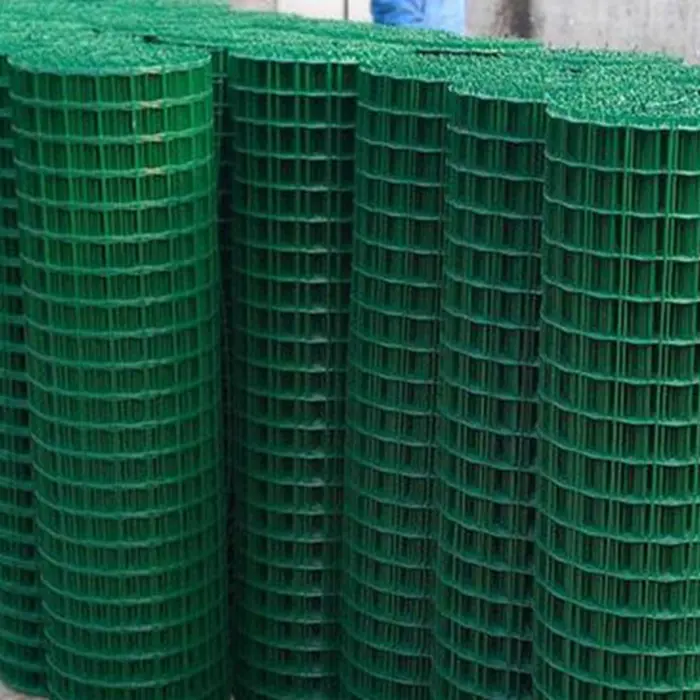
One thing I noticed early on is how the choice of materials makes a world of difference. Most Chinese chicken wire netting you’ll find is made from galvanized steel wire. The galvanization thickness can vary — which matters because it directly impacts durability and rust resistance. Frankly, many engineers I’ve spoken with swear by PVC-coated options too, especially if the mesh is intended for outdoor or wet environments. Yet the plain galvanized stuff often offers the best price-performance balance.
Another thing worth mentioning is the manufacturing process. China’s chicken wire netting is usually made on automated machines that twist the wires tightly, forming uniform hexagons. This consistency means fewer weak points, which we all know can’t be overstated with fencing material. I recall a project where a client’s previous supplier’s mesh kept stretching out under tension — not the case with well-made Chinese wire.
| Specification | Details |
|---|---|
| Material | Galvanized Steel / PVC Coated |
| Wire Diameter | 0.8mm - 2.0mm |
| Mesh Opening | 12mm x 12mm to 50mm x 50mm |
| Roll Length | 10m - 50m |
| Roll Width | 0.5m - 1.5m |
| Finish | Galvanized Glossy / Matte / PVC Green or Black |
Now, speaking of suppliers, not all Chinese vendors are created equal. You have to navigate carefully through certifications, test reports, and sometimes even visit factories if possible. From my experience working with several suppliers, here is a quick comparison that might help anyone starting this journey. The details reflect averaged data, and as always, a bit of due diligence goes a long way.
| Supplier | Quality | Price | Customization | Lead Time |
|---|---|---|---|---|
| Vendor A | High | Mid | Wide Range | 2–3 weeks |
| Vendor B | Mid | Low | Limited | 4 weeks |
| Vendor C | High | High | Custom Coatings | 1–2 weeks |
Out in the field, chicken wire netting from these Chinese suppliers often performs well when installed properly. One small anecdote I like to share: a customer in Southern California used the netting to reinforce an organic garden’s chicken coop. Not just keeping the birds in, but preventing local hawks from swooping in. After a year, the netting showed minimal wear, much to the client’s surprise given the high UV exposure. It’s a small story, but it highlights how this seemingly simple material can make a big difference.
So, if you’re in the market for robust yet cost-effective fencing solutions, I suppose you can’t go wrong exploring options for china chicken wire netting. That said, always ask for samples, check coatings carefully, and consider how your environment might affect longevity. And yes, sometimes the price difference tells a lot about quality — so choose wisely.
In real terms, chicken wire might seem simple, but like most products serving industrial and agricultural needs, it’s about knowing the small details that count.
References:
- Industry standard specs from international wire mesh bodies
- Quality audit reports from Chinese fencing manufacturers (2023)
- Customer feedback on agricultural fencing durability