
Why Galvanized Hexagonal Wire Mesh Remains an Industrial Staple
If you’ve spent any time around industrial fencing or agricultural setups, the galvanized hexagonal wire mesh probably rings a bell. It’s one of those materials that’s almost invisible in its ubiquity but quietly holds so much weight in countless applications. I’ve been handling industrial equipment for over a decade, and oddly enough, this mesh keeps reappearing in projects big and small.
What’s fascinating to me—and maybe you already know—is how this wire mesh combines simplicity with so much versatility. It’s literally a hexagonal pattern of galvanized steel wire. The galvanization process coats the steel with zinc, making it corrosion-resistant. That’s critical because in real terms, many of these meshes are used outdoors, exposed to rain, soil, or even salty air in coastal environments.
Many engineers I’ve worked with swear by it for animal enclosures and reinforced concrete applications. One small anecdote: I remember a poultry farm owner complaining about fence rust ruining his runs. Switching to galvanized hexagonal mesh solved that issue quickly, without the high costs of vinyl or stainless steel fencing.
In terms of design, the hexagonal pattern isn’t just aesthetic—it distributes stress evenly. So, when animals lean on it or construction materials press against it, there’s less chance of the mesh warping or breaking. That pattern, combined with the thickness of the wire, forms the whole performance story.
| Specification | Details |
|---|---|
| Material | Galvanized Mild Steel Wire |
| Wire Diameter | 0.8 mm to 2.0 mm |
| Mesh Size | 10 mm to 50 mm (hexagonal openings) |
| Coating | Hot-dipped Zinc Layer (~40-65 g/m²) |
| Standard Roll Length | 10m, 25m |
| Common Uses | Fencing, insulation reinforcement, animal cages, erosion control |
Customization is another aspect worth pointing out. Suppliers can tailor wire diameters and mesh sizes depending on project needs. For example, a contractor handling hillside erosion control might opt for thicker wire and tighter mesh to keep soil securely contained. In contrast, a lightweight farm fencing application would use thinner wire to reduce cost while maintaining adequate strength.
That leads me to something I notice often: vendor differences. You’d think all galvanized hexagonal wire mesh is the same, but the zinc coating thickness and wire uniformity make a big difference long term. I’ve seen cheaper options fail in under a year, developing rust in unexpected spots.
| Vendor | Zinc Coating (g/m²) | Max Wire Diameter (mm) | Roll Length Options | Typical Applications |
|---|---|---|---|---|
| FencingWireMesh.com | 55 g/m² | 2.0 | 10m, 25m | Agriculture, fencing, erosion control |
| IndustrialMeshCo | 40 g/m² | 1.5 | 15m, 30m | Light fencing, poultry |
| WireMeshPros | 65 g/m² | 2.5 | 10m only | Heavy duty, construction |
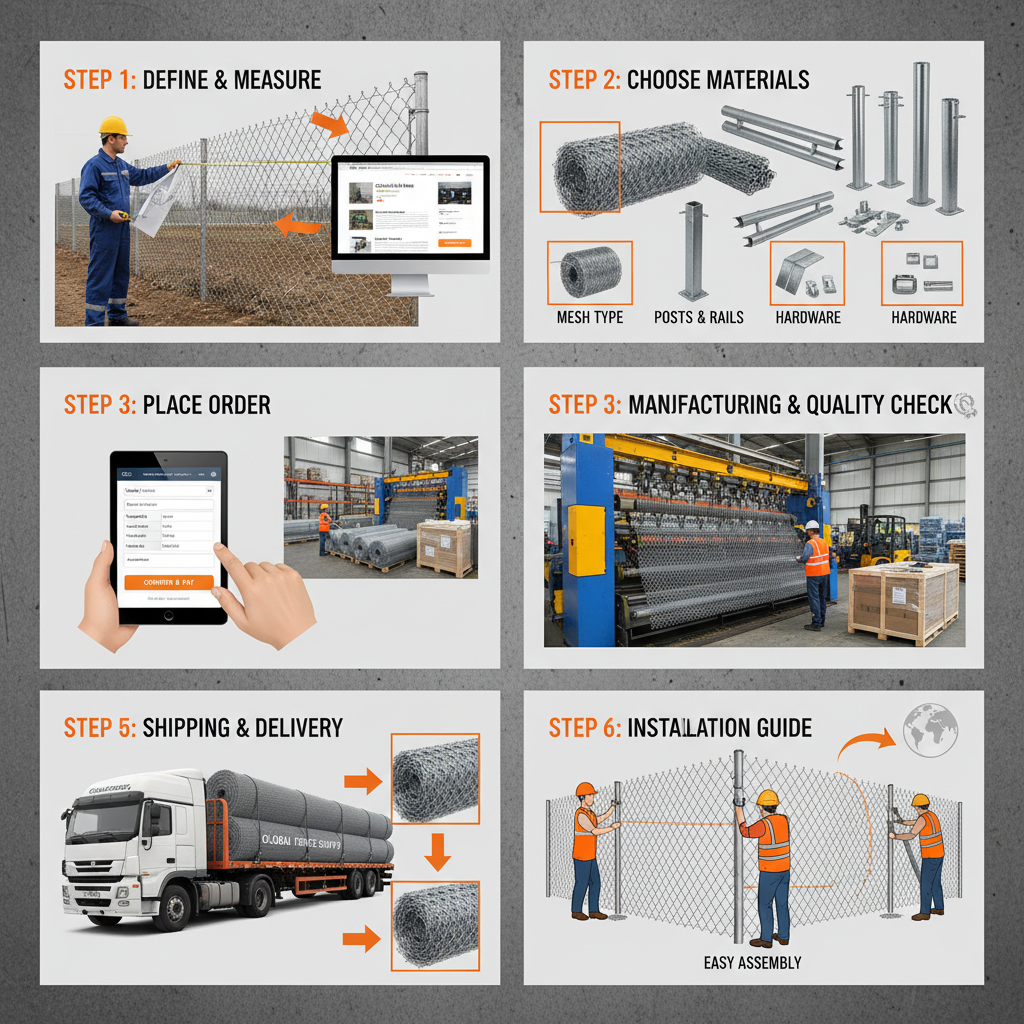
Installation is usually straightforward – roll it out, cut to length, fix with wire ties or staples depending on the surface. The mesh is flexible enough to contour to uneven ground, which frankly saves hours on awkward sites. But you do want to check the tension: too loose and it sags, too tight and the wire may snap under pressure.
As a final thought, the galvanized hexagonal wire mesh isn’t just a product but a quiet workhorse of industry. From fencing backyards to stabilizing roadsides, it plays a vital role. It feels like one of those “unsung hero” products in the world of industrial materials, and I suppose it deserves more credit than it gets.
To sum up: pay attention to the wire gauge, zinc coating, and vendor credibility. They’ll make or break your project’s longevity. And if you’re considering a reliable supplier, definitely check out galvanized hexagonal wire mesh options there — I’ve seen their quality hold up well under tough field conditions.
References:
- Industry Standard Wire Mesh Specifications – ASTM A641/A641M
- Galvanization and Corrosion Resistance Guide, Steel Structures Publishing
- Practical Field Installation Tips, Agricultural Fencing Quarterly, 2023