
Hex Wire Netting: The Unsung Hero in Industrial Fencing
Having spent the better part of two decades in the industrial equipment sector, I can say that a lot of the products we take for granted have some fascinating stories behind them. Take hex wire netting, for example. On the surface, it might look like just another grid of metal, but in reality, its applications, design nuances, and manufacturing techniques make it an indispensable component across industries. Whether you’re reinforcing a barn, creating secure animal enclosures, or controlling soil erosion on rugged terrain, hex wire netting quietly gets the job done.
Oddly enough, many engineers I've met tend to favor hex wire over other mesh types because of its unique hexagonal pattern. This configuration distributes force more evenly than square meshes, which means greater resistance to deformation when pressure is applied. I remember walking a livestock farm where the farmers credited their fences — partly built from hex netting — with holding strong through a particularly harsh winter storm.
Material-wise, galvanized steel remains the go-to choice. It feels sturdy and resilient, which is critical when you’re out in the elements. You’ll find that much of the netting comes coated either with zinc layers or PVC to extend its lifespan — a smart move given how fast untreated wire can succumb to rust. In real terms, investing that bit more in coated netting pays dividends over years of wear and tear.
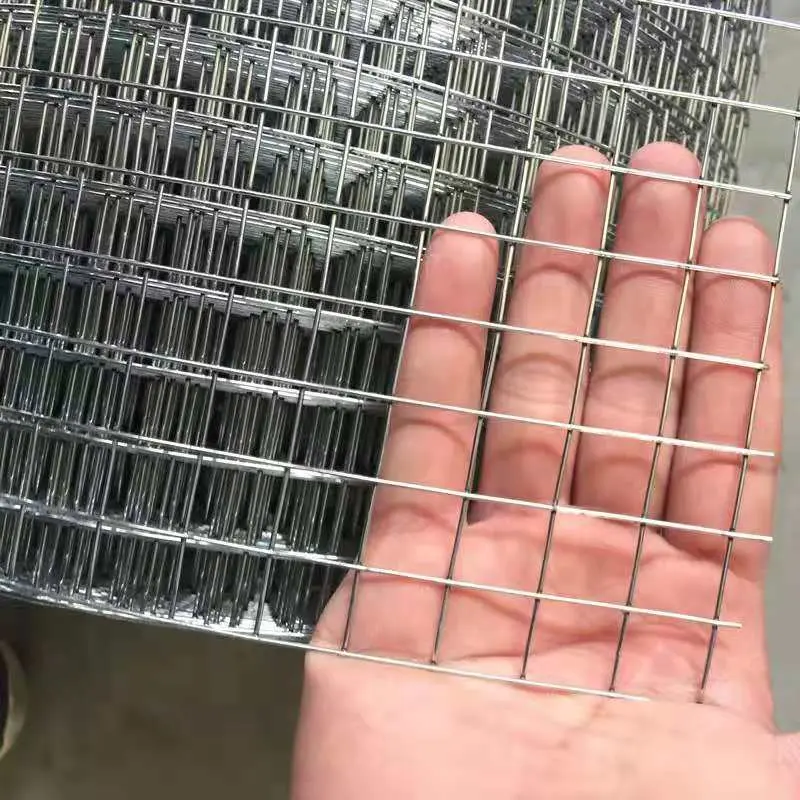
The variety in dimensions is impressive. Mesh sizes can range typically from 10 mm to 50 mm, with wire gauges from 0.6 mm up to 1.6 mm — giving you a spectrum between light-duty fencing and heavy reinforcement. I’ve found this versatility extremely helpful on job sites where one size simply doesn’t fit all. Plus, manufacturers today are more open to customization, tailoring roll length, wire thickness, and coating options to suit unique project needs.
| Specification | Typical Range | Notes |
|---|---|---|
| Mesh Size (hole width) | 10 mm – 50 mm | Depends on application |
| Wire Gauge (diameter) | 0.6 mm – 1.6 mm | Higher gauge means thicker wire |
| Material | Galvanized Steel, PVC coated | Coating extends lifespan |
| Roll Length | 10 m – 30 m | Custom lengths available |
| Weight per roll | 12 kg – 35 kg | Depends on wire gauge and length |
Manufacturers differ in their production methods and quality controls, which really shows when you start comparing. Some vendors focus heavily on testing tensile strength and corrosion resistance, while others emphasize cost competitiveness or customization options. Based on my years of interacting with suppliers, I've seen that balancing quality and price without sacrificing reliability is key. Below is a simple comparison I've gathered from various providers in the region.
| Vendor | Material Quality | Customization | Price | Lead Time |
|---|---|---|---|---|
| WirePro Ltd. | High (Zn coated) | Medium | $$$ | 2 weeks |
| MeshMasters Inc. | Medium (PVC coated) | High | $$ | 3 weeks |
| FenceCraft Co. | Standard (Galv. steel) | Low | $ | 1 week |
From my perspective, when choosing hex wire netting, it pays to think not just about immediate cost but total lifecycle. I recall one client who initially chose a cheaper supplier to save costs but ended up replacing fencing within two years due to rust damage — a costly mistake in downtime and labor. Quality really counts.
Testing standards have improved too. It used to be that many installers just eyeballed the mesh to decide if it was “strong enough,” but now tensile tests, coating thickness measurements, and field trials are routine. This trend gives peace of mind, because you know that your fencing will stand long after the installation crew has packed up.
In the end, hex wire netting isn’t just a commodity — it’s a product with decades of refinement behind it. And when you spot those neat hexagonal patterns on your fencing or containment mesh, you’re really seeing efficiency and engineering working hand in hand. Kind of poetic, if you think about it.
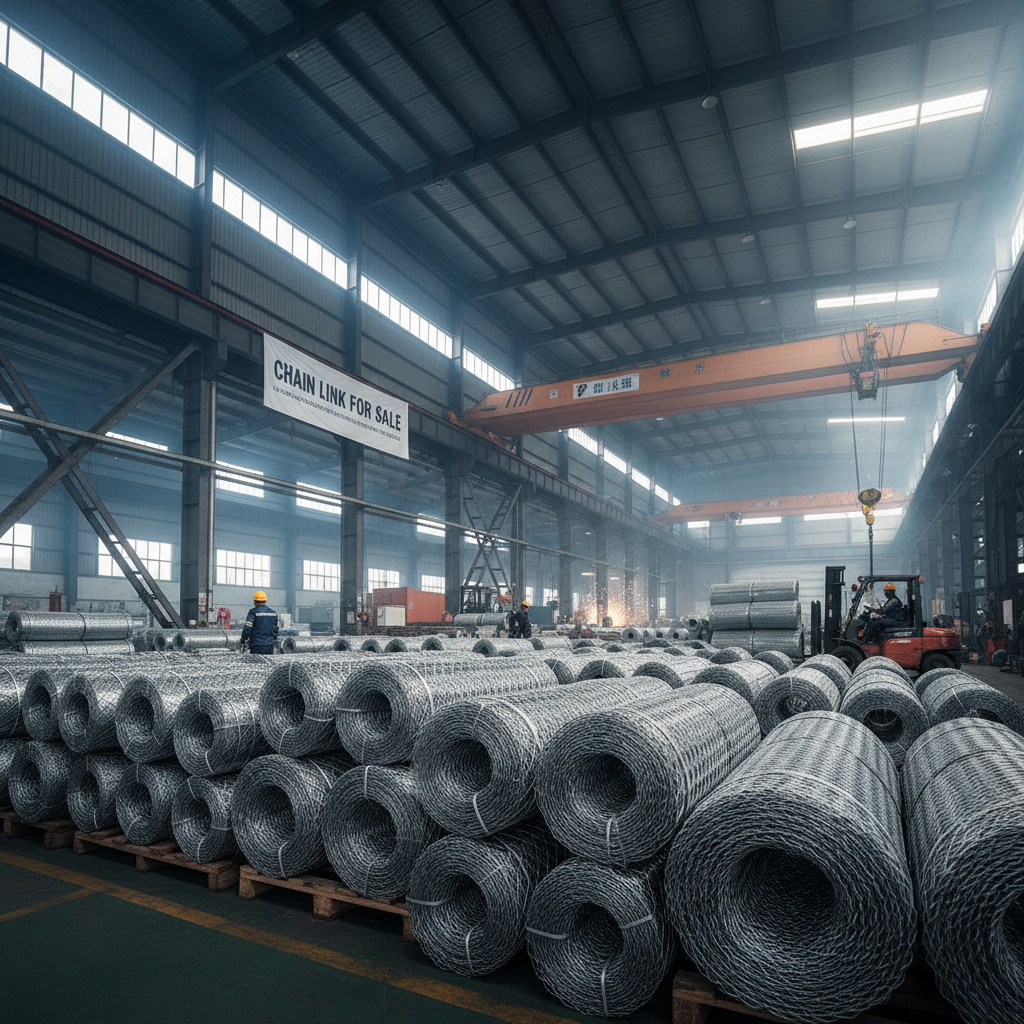
One last thing: if you ever get the chance to visit a production facility, watching those wire strands get twisted, coated, and rolled into perfect hex nets is oddly satisfying. It’s an art disguised as industry.
— Thanks for reading. If you're weighing options or want tailored guidance, drop a line to suppliers who specialize in hex wire netting. It’s a decision where experience truly counts.
References:
1. Industry standards from ASTM and ISO on wire fencing.
2. Field interviews with fencing contractors and livestock farmers.
3. Manufacturer technical datasheets and product catalogs.