
Understanding Galvanized Mesh: A Critical Component in Industrial Infrastructure
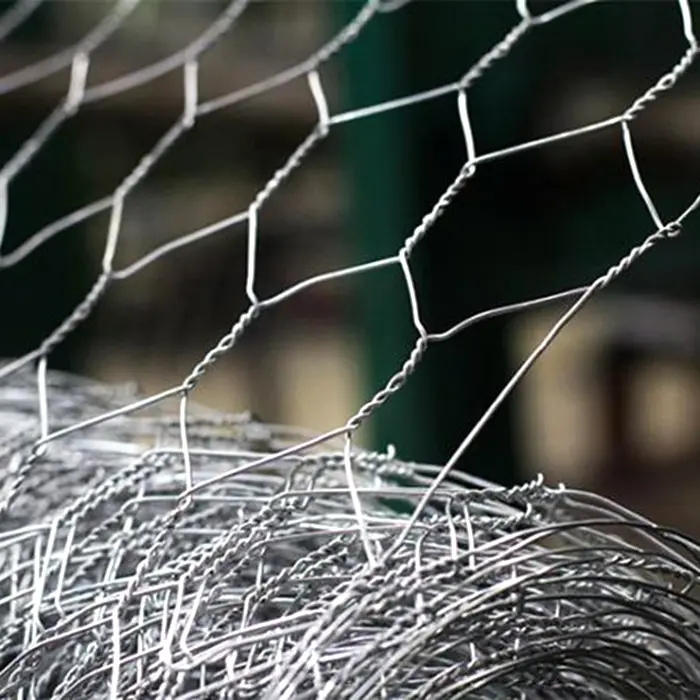
In diverse industrial landscapes, the integrity and longevity of materials are paramount. Among the most reliable and versatile materials is galvanized mesh, a product engineered for superior performance in corrosive environments. This material is not merely a component but a foundational element ensuring safety, security, and operational efficiency across a multitude of sectors. From intricate filtration systems to robust safety barriers, its application underscores its adaptability and indispensable value. This comprehensive overview delves into the technical aspects, market trends, and practical applications of galvanized mesh, providing essential insights for B2B decision-makers and engineering professionals seeking durable and cost-effective solutions.
The demand for robust and corrosion-resistant materials has never been higher, driven by stringent safety regulations, the need for extended service life, and economic pressures to minimize maintenance. Galvanized mesh, through its unique protective coating, addresses these challenges head-on, offering a compelling alternative to untreated steel in scenarios where exposure to moisture, chemicals, or extreme temperatures is unavoidable. Its deployment spans critical infrastructure, industrial facilities, and even specialized product lines like 2mm 2.5mm galvanized plate anti-skid plate pedals, which exemplify its application in high-performance safety solutions.
Manufacturing Excellence: The Process Flow of Galvanized Mesh
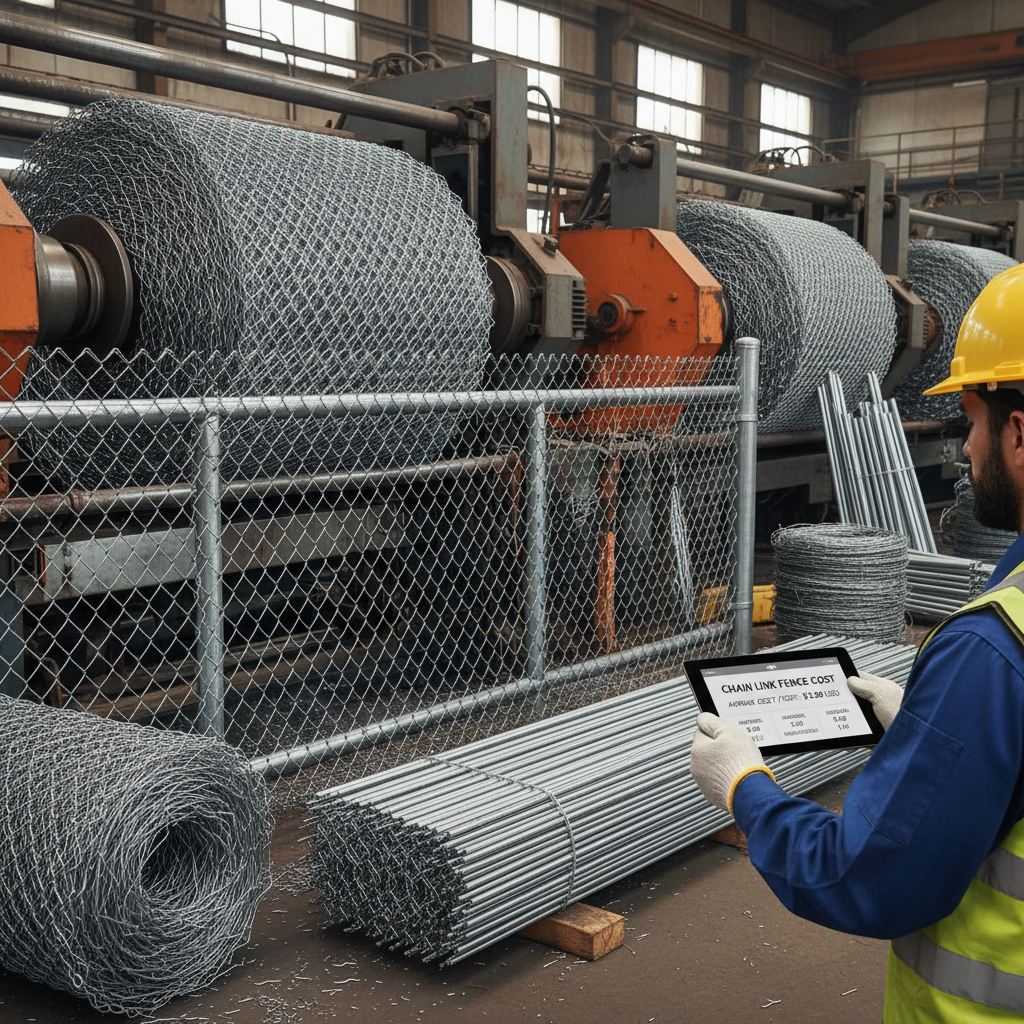
The production of galvanized mesh is a meticulously controlled industrial process, designed to imbue ordinary steel with extraordinary protective properties. This process flow ensures the final product meets rigorous performance and durability standards, critical for its deployment in demanding industrial applications.
Materials & Pre-treatment: Foundation of Durability
- High-Quality Steel: The foundation is typically low-carbon steel wire or plate, conforming to international standards such as ASTM A641 or EN 10025. Common grades include Q195 and Q235, chosen for their excellent formability and weldability.
- Surface Preparation: Before galvanization, the steel undergoes a multi-stage cleaning process. This includes degreasing (alkaline solution), pickling (acid bath, e.g., hydrochloric or sulfuric acid) to remove mill scale and rust, and rinsing. This is crucial for achieving metallurgical bonding of the zinc coating.
- Fluxing: The clean steel is then immersed in a flux solution (typically zinc ammonium chloride) to prevent oxidation prior to galvanizing and to promote adherence of the molten zinc.
Manufacturing Processes: Forming and Coating
Depending on the desired mesh type, the steel is processed through various forming methods before or after galvanization:
- Weaving/Welding: For woven mesh, wires are interlocked using specialized looms. For welded mesh, individual wires are resistance-welded at each intersection, forming a rigid grid. Automated CNC machines ensure precise spacing and robust joints.
- Perforating/Expanding: For expanded or perforated mesh, steel plates undergo stamping or slitting and stretching processes to create various hole patterns.
- Galvanization: This is the defining step.
- Hot-dip Galvanizing (HDG): The most common method. Steel is immersed in a bath of molten zinc (typically at 450-460°C). A metallurgical reaction occurs, forming a series of iron-zinc alloy layers, followed by an outer layer of pure zinc. This provides superior corrosion resistance due to coating thickness (typically 65-100 µm or more, per ASTM A123/A153).
- Electro-galvanizing: A thinner zinc coating (typically 5-15 µm) is applied via an electrolytic process. This offers a brighter, smoother finish but less corrosion protection than HDG.
Quality Control & Testing Standards
Each batch of galvanized mesh undergoes stringent quality control to ensure adherence to international and industry-specific standards:
- Coating Thickness: Measured using magnetic induction or gravimetric methods (per ASTM A90/A90M).
- Adhesion Test: Hammer or knife tests verify the bond between zinc and steel (per ASTM A123).
- Uniformity Test: Copper sulfate immersion test (Preece Test) to check coating consistency.
- Mechanical Properties: Tensile strength, yield strength, and elongation are tested to ensure structural integrity.
- Visual Inspection: Checking for surface imperfections, bare spots, or excessive lumps.
- Compliance: Products typically meet ISO 9001 for quality management, ASTM A123/A153 for hot-dip galvanizing, and EN 10244-2 for zinc coatings on steel wires.
Service Life & Target Industries
The service life of hot-dip galvanized mesh can exceed 50 years in many rural and suburban environments, and 20-25 years even in harsh industrial or marine settings, due to the sacrificial protection offered by the zinc coating.
Key target industries include:
- Petrochemical: Walkways, gratings, safety fencing, security cages.
- Metallurgy & Mining: Screening, conveyor guards, structural supports, rockfall protection.
- Water Supply & Drainage: Filtration screens, trench covers, protective enclosures.
- Marine & Offshore: Gangways, platforms, aquaculture cages, boat dock fencing (where specific coating thickness and alloys are crucial).
- Construction: Reinforcement, perimeter fencing, animal enclosures, anti-skid surfaces (e.g., galvanized plate anti-skid plate pedals).
- Agriculture: Livestock enclosures, crop protection.
In these scenarios, advantages such as superior corrosion resistance significantly reduce maintenance costs and extend asset lifespan, contributing to overall energy saving by avoiding frequent replacements and associated resource expenditure.
Industry Trends and Market Dynamics
The market for galvanized mesh is influenced by several evolving trends, driven by technological advancements, regulatory changes, and shifting demands in global infrastructure development.
- Sustainability & Green Manufacturing: Increasing focus on eco-friendly production methods, including reduced energy consumption during galvanization and recycling of zinc and steel. Manufacturers are exploring lower-emission processes and optimizing material usage to minimize waste.
- Advanced Coating Technologies: While traditional hot-dip galvanizing remains dominant, there's growing interest in duplex coatings (galvanizing plus powder coating) for enhanced aesthetic appeal and even greater corrosion resistance in extremely harsh environments. Research into zinc-alloy coatings (e.g., zinc-aluminum, zinc-magnesium) offers superior protection at reduced coating thicknesses.
- Automation and Digitalization: The integration of Industry 4.0 principles, including automated welding, robotic material handling, and digital quality control systems, is enhancing precision, efficiency, and reducing labor costs in mesh manufacturing. This leads to more consistent product quality and faster lead times.
- Increased Demand for Specialized Mesh: Growth in sectors like renewable energy (solar panel fences, wind turbine platforms), aquaculture, and intelligent infrastructure (sensor integration for monitoring structural health) is driving demand for highly customized and specialized galvanized mesh products. For example, specific mesh configurations for electromagnetic shielding or anti-climb galvanized fencing.
- Emphasis on Safety and Anti-Skid Solutions: With tightening safety regulations, especially in industrial and public access areas, there's a surge in demand for products like galvanized plate anti-skid plate pedals and gratings designed to prevent slips and falls. This focus on enhanced safety features is a significant driver for product innovation in galvanized mesh.
Technical Specifications and Product Parameters
Understanding the technical specifications of galvanized mesh is crucial for selecting the appropriate product for a given application. Key parameters include material composition, coating thickness, mesh dimensions, and mechanical properties.
General Product Specifications for Welded Galvanized Mesh
| Parameter | Specification Range | Standard Adherence |
|---|---|---|
| Material | Low Carbon Steel (Q195, Q235, SAE 1008) | ASTM A641, EN 10025 |
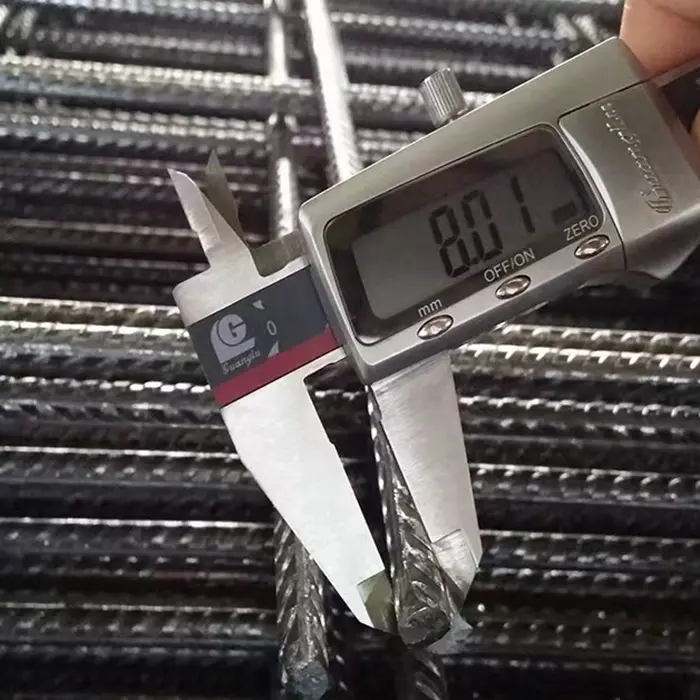
| Wire Diameter | 0.4 mm to 6.0 mm (0.016" to 0.236") | +/- 0.05 mm tolerance |
| Mesh Opening (Aperture) | 6.0 mm x 6.0 mm to 100 mm x 100 mm | Customizable |
| Zinc Coating Type | Hot-Dip Galvanized (HDG) or Electro-Galvanized (EG) | ASTM A123/A153 (HDG), ASTM B6 (EG) |
| Zinc Coating Thickness (HDG) | 65 - 100 µm (typically), up to 120 µm for heavy duty | ASTM A90/A90M (Min average) |
| Panel/Roll Width | 0.5 m to 2.5 m (1.6 ft to 8.2 ft) | Customizable |
| Panel/Roll Length | 1.0 m to 30.0 m (3.3 ft to 98 ft) | Customizable |
| Tensile Strength | 350-550 MPa (typical for low carbon steel) | ASTM E8 |
Specialized Product: 2mm 2.5mm Galvanized Plate Anti-Skid Plate Pedals
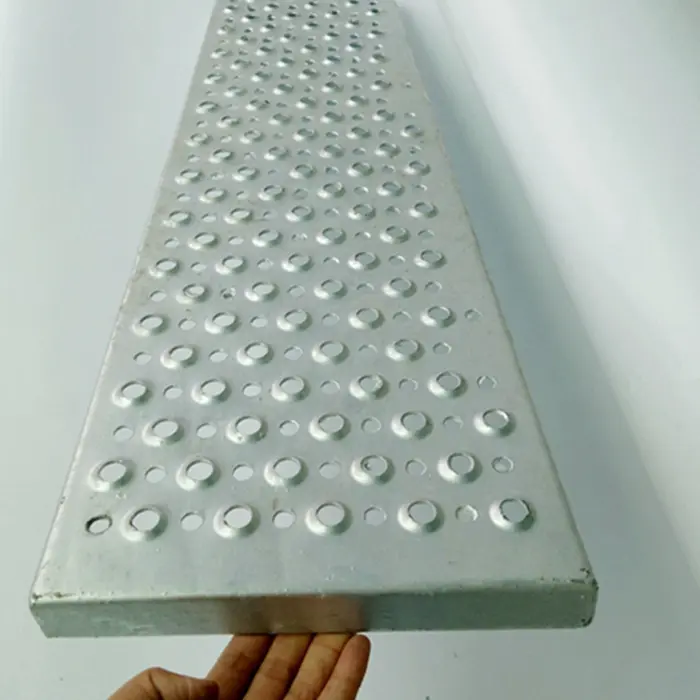
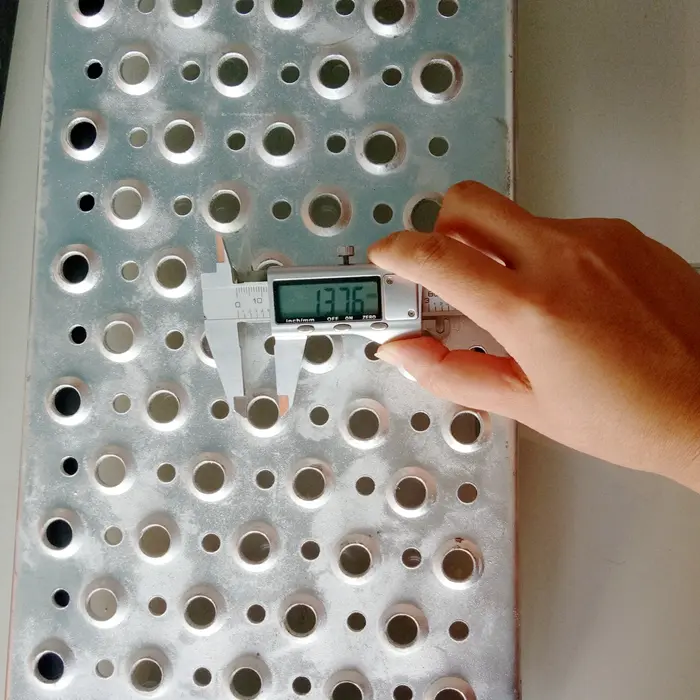
For specialized applications requiring enhanced safety, products like our 2mm 2.5mm galvanized plate anti-skid plate pedals offer superior performance. These are designed with specific technical parameters to ensure maximum grip and durability in demanding environments.
| Parameter | Specification | Application Benefit |
|---|---|---|
| Material Thickness | 2.0 mm / 2.5 mm Hot-Dip Galvanized Plate | Optimal balance of strength, weight, and rigidity for heavy-duty use. |
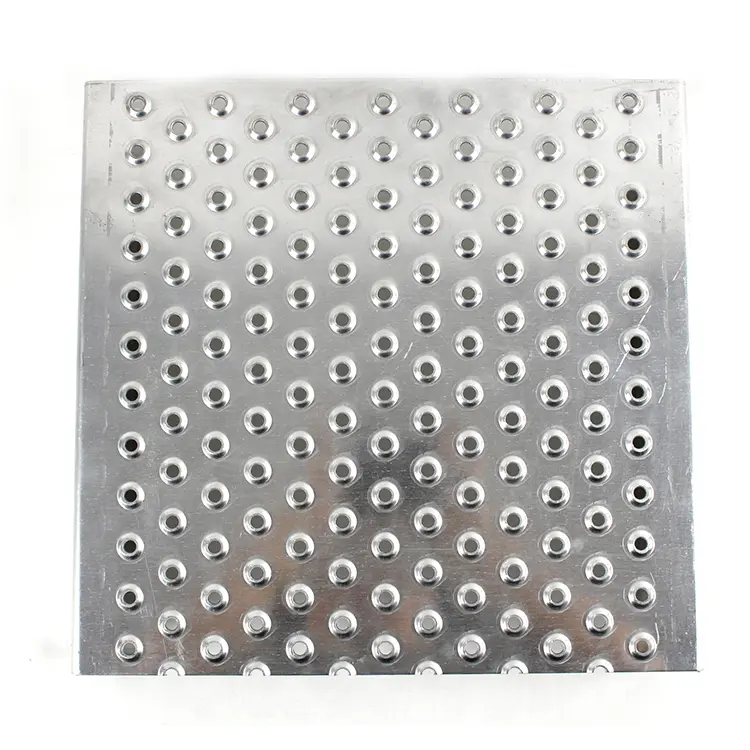
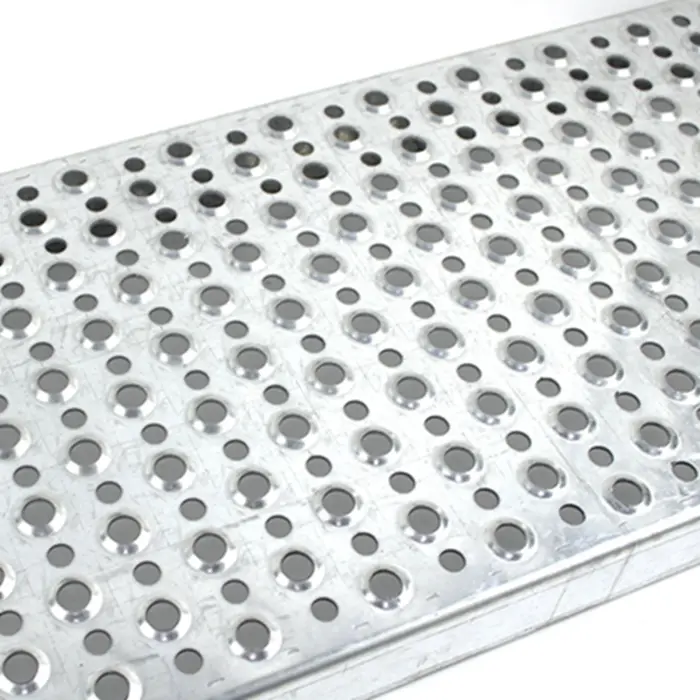
| Surface Pattern | Raised Hole / Perforated Anti-Skid Profile | Exceptional grip in wet, oily, or icy conditions; prevents slips and falls. |
| Zinc Coating Weight | ≥ 450 g/m² (G165 or equivalent) | Superior long-term corrosion protection in aggressive industrial settings. |
| Load-Bearing Capacity | Up to 300 kg/m² (depending on support structure and panel size) | Robust support for personnel and light equipment on walkways and platforms. |
| Fire Resistance | Non-combustible material (steel and zinc) | Enhances safety in fire-sensitive industrial environments. |
Versatile Application Scenarios
The inherent durability and protective qualities of galvanized mesh make it suitable for an expansive array of applications across virtually every industrial sector. Its adaptability is a testament to its fundamental engineering advantages.
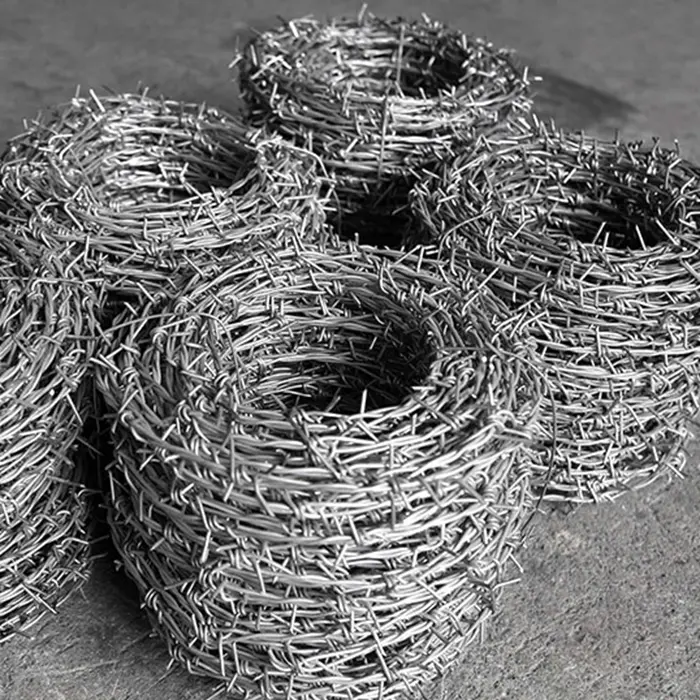
- Industrial Safety & Security: Used extensively for machine guarding, perimeter galvanized fencing, safety cages, and protective barriers in factories, warehouses, and processing plants. Its robust structure deters unauthorized access and protects personnel from hazardous machinery.
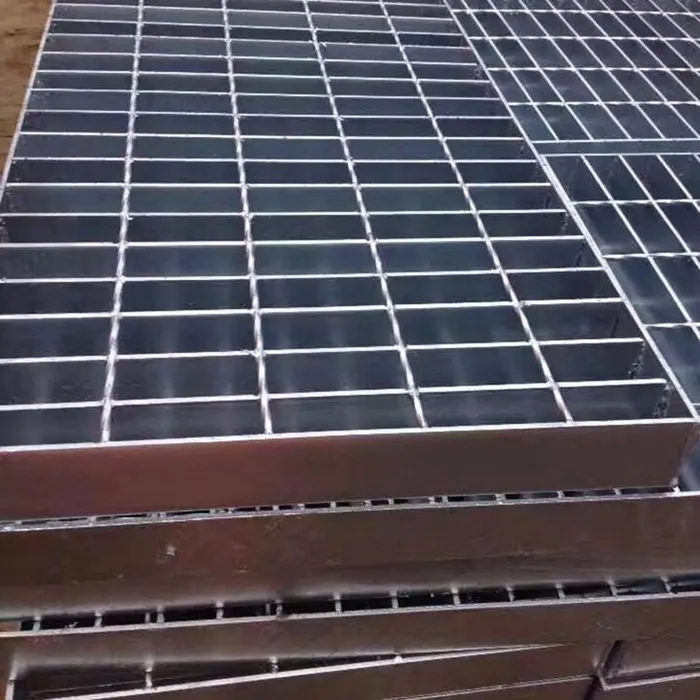
- Walkways, Platforms & Grating: Particularly with products like 2mm 2.5mm galvanized plate anti-skid plate pedals, galvanized mesh is crucial for constructing safe, non-slip walkways, platforms, stair treads, and access routes in refineries, chemical plants, offshore rigs, and manufacturing facilities. Its open structure allows for light, air, and water passage while maintaining high load-bearing capacity.
- Filtration & Screening: Fine galvanized mesh is employed in water treatment plants for primary filtration, wastewater management, and separating solids from liquids. In mining and aggregate industries, coarser mesh serves as screening media for sorting materials.
- Construction & Infrastructure: Integral for concrete reinforcement in walls and floors, especially in environments exposed to moisture. It also serves as robust gabion baskets for erosion control and retaining walls, and as durable galvanized mesh fence for construction site security.
- Agriculture & Aquaculture: Provides secure and corrosion-resistant enclosures for livestock and poultry. In aquaculture, heavily galvanized mesh is vital for constructing durable and safe cages for fish farming, withstanding constant exposure to saltwater.
- Architectural & Decorative Applications: Increasingly used for modern architectural elements, facade cladding, interior partitions, and balustrades, offering both aesthetic appeal and functional benefits like ventilation and light diffusion.
Technical Advantages and Performance Metrics
The distinct advantages of galvanized mesh stem from its robust material science and manufacturing precision, offering unparalleled performance in demanding industrial settings.
- Superior Corrosion Resistance: The primary benefit. The zinc coating acts as a sacrificial anode, protecting the underlying steel even if scratched or damaged. This electrochemical protection is far superior to mere barrier coatings, preventing rust and significantly extending service life in wet, humid, or chemical-laden environments. This dramatically reduces maintenance and replacement costs.
- High Strength-to-Weight Ratio: Steel's inherent strength, combined with the protective zinc layer, allows for strong yet relatively lightweight structures. This facilitates easier installation and reduces the load on supporting structures, offering design flexibility and cost savings in construction.
- Longevity and Durability: As evidenced by a service life of 20-50+ years, galvanized mesh stands up to harsh conditions, including mechanical abrasion, UV exposure, and temperature fluctuations, without significant degradation. This ensures long-term reliability and structural integrity.
- Cost-Effectiveness: While the initial cost may be slightly higher than untreated steel, the extended lifespan and minimal maintenance requirements result in a significantly lower total lifecycle cost (LCC). The galvanization process provides immediate and comprehensive protection without the need for post-fabrication painting or ongoing touch-ups.
- Enhanced Safety Features: For products like anti-skid plates, the raised or perforated patterns provide excellent traction, drastically reducing the risk of slips and falls in industrial settings, aligning with stringent occupational safety standards. This is a critical advantage in high-traffic or hazardous work areas.
- Ease of Fabrication and Installation: Galvanized mesh can be readily cut, formed, and welded (with proper ventilation and techniques to handle zinc fumes) on-site or pre-fabricated, offering flexibility in installation. Its modular nature often simplifies complex constructions.
Vendor Comparison: Key Differentiators in Galvanized Mesh Supply
Selecting the right supplier for galvanized mesh is as critical as the product itself. A thorough vendor comparison should extend beyond mere pricing to encompass quality, reliability, and support. Below is a comparative overview of key factors to consider.
| Feature/Criterion | Leading Manufacturer (e.g., Us) | Standard Industry Player | Budget Supplier |
|---|---|---|---|
| Certifications & Standards | ISO 9001, ASTM A123/A153, EN 10244-2, NACE Compliance | ISO 9001, Basic ASTM A123 | Minimal or no public certifications |
| Material Quality | Premium virgin steel, certified alloys for specific applications | Standard commercial-grade steel | Variable, potentially recycled or lower-grade steel |
| Zinc Coating Thickness | Guaranteed ≥ 85µm for HDG, often exceeds 100µm; up to 120µm for specialized needs | Meets minimum ASTM A123 (65µm for certain gauges) | May be inconsistent or closer to minimums, potentially electro-galvanized only |
| Customization Options | Extensive (mesh size, wire gauge, panel dimensions, anti-skid patterns, duplex coatings) | Limited customization for standard products | Primarily off-the-shelf products |
| Technical Support & Engineering | Dedicated engineering team, design assistance, on-site consultation | Basic product information, standard technical data sheets | Minimal, often relying on client's specifications |
| Lead Time & Fulfillment | Optimized production, reliable logistics, project management for large orders | Standard lead times, less flexibility for urgent orders | Potentially longer or less predictable lead times |
| Warranty & After-Sales | Comprehensive warranties (e.g., 10-25 years), responsive customer service, installation guidance | Standard product warranty, limited after-sales support | Basic warranty, support often outsourced or difficult to access |
Our commitment as a leading manufacturer is to provide not just galvanized mesh, but a complete solution backed by expertise, quality assurance, and dedicated support, ensuring our clients receive optimal value and performance for their investments.
Customized Solutions for Unique Industrial Demands
While standard galvanized mesh products serve a wide range of applications, many industrial projects necessitate bespoke solutions to meet specific operational, structural, or environmental challenges. Our expertise lies in engineering and manufacturing customized galvanized mesh products tailored precisely to client requirements.
Customization options include:
- Dimension and Configuration: Tailoring mesh aperture sizes, wire diameters, panel dimensions, and roll lengths to fit precise project blueprints. This includes unique shapes for machine guards or architectural features.
- Material Grades and Alloys: Utilizing specific steel grades (e.g., higher carbon steel for increased strength, specialized alloys for extreme temperatures or chemical exposure) before galvanization.
- Coating Specifications: Varying zinc coating thickness to meet specific environmental corrosion categories (e.g., C5-I for offshore structures per ISO 9223), or applying additional duplex coatings (e.g., powder coating over galvanization) for aesthetic or enhanced protective benefits.
- Anti-Skid Patterns and Surface Treatments: Developing unique raised hole or serrated patterns for anti-skid gratings and pedals, such as our 2mm 2.5mm galvanized plate anti-skid plate pedals, optimized for specific friction coefficients required in safety-critical areas.
- Pre-fabrication and Assembly: Offering pre-cut, pre-bent, or pre-assembled components to simplify on-site installation, reducing labor costs and project timelines. This often includes welding custom frames or mounting brackets directly to the mesh.
- Specialized Finishes: Beyond standard galvanization, providing options for electro-polished finishes for cleanroom applications, or specialized coatings for specific chemical resistance.
Our engineering team collaborates closely with clients from conceptualization through to deployment, ensuring that every customized galvanized mesh solution is optimized for performance, cost-efficiency, and compliance with all relevant industry standards.
Application Case Studies: Real-World Impact
The practical benefits of galvanized mesh are best illustrated through its successful deployment in various demanding industrial settings. These case studies highlight the material's performance and the value of tailored solutions.
Case Study 1: Petrochemical Plant Safety Walkways
Client: Major Middle Eastern Petrochemical Corporation
Challenge: An existing network of steel grating walkways in an outdoor processing unit was severely corroded due to constant exposure to high humidity, saline air, and intermittent chemical spills. This posed significant safety risks, increased maintenance downtime, and incurred high replacement costs every 5-7 years.
Solution: We designed and supplied customized 2.5mm hot-dip galvanized plate anti-skid plate pedals with a heavy zinc coating (average 100µm) to replace the failing walkways. The plates featured an aggressive raised hole pattern for maximum anti-skid performance.
Outcome: Post-installation, the plant reported a 90% reduction in slip-and-fall incidents on the new walkways. The superior corrosion resistance extended the expected service life to over 25 years, drastically reducing maintenance cycles and associated operational costs. The client commended the material's durability and the seamless integration of the customized panels.
Case Study 2: Offshore Wind Farm Security Perimeter
Client: European Offshore Energy Developer
Challenge: Securing a new offshore wind farm's substation platform required a robust, anti-climb galvanized fencing solution capable of withstanding extreme marine environments (high winds, saltwater spray, UV radiation) for decades without significant degradation or maintenance.
Solution: We provided a bespoke galvanized mesh fence system utilizing high-tensile steel wire with a minimum 120µm hot-dip galvanized coating, specifically designed for marine exposure (ISO 9223 C5-M category). The mesh featured small, tight apertures to prevent climbing and cutting, along with integrated anti-corrosion fastenings.
Outcome: The installed galvanized mesh fence system has demonstrated exceptional resistance to the harsh marine conditions over 10 years, with no signs of red rust or structural compromise. The client noted the peace of mind provided by the low-maintenance, high-security solution, significantly contributing to the operational integrity and safety of the multi-billion-dollar asset.
Frequently Asked Questions (FAQ)
Q1: What is the primary difference between hot-dip galvanized and electro-galvanized mesh?
A1: Hot-dip galvanizing (HDG) involves immersing steel in molten zinc, creating a thick, metallurgically bonded coating (typically 65-100 µm) that offers superior long-term corrosion resistance. Electro-galvanizing applies a thinner zinc layer (5-15 µm) electrolytically, resulting in a smoother, brighter finish but less robust protection. For demanding industrial applications, HDG galvanized mesh is almost always preferred due to its durability.
Q2: Can galvanized mesh be welded after the galvanization process?
A2: While it is possible, welding hot-dip galvanized mesh after galvanization can damage the protective zinc coating in the weld area, making it susceptible to corrosion. If welding is unavoidable, the welded area must be properly cleaned and treated with a zinc-rich paint or repair compound to restore protection. It is generally recommended to galvanize after fabrication for optimal protection.
Q3: How does galvanized mesh provide anti-skid properties?
A3: For anti-skid applications, like our 2mm 2.5mm galvanized plate anti-skid plate pedals, the steel plate is often perforated or punched to create raised, serrated, or embossed patterns before galvanization. These textured surfaces provide increased friction and grip, effectively preventing slips and falls even in the presence of liquids, oils, or debris.
Q4: What is the typical lead time for a custom order of galvanized mesh?
A4: Lead times for custom galvanized mesh orders vary based on complexity, quantity, and current production schedules. For standard custom mesh, it typically ranges from 2-4 weeks after design approval. Larger, highly specialized projects may require 4-8 weeks. We provide detailed lead time estimates with each quotation and maintain clear communication throughout the manufacturing process.
Q5: What is the expected warranty for your galvanized mesh products?
A5: We stand behind the quality of our galvanized mesh products with comprehensive warranties. For hot-dip galvanized products meeting ASTM A123 standards, we typically offer a 10 to 25-year warranty against red rust, depending on the specific product type, zinc coating thickness, and environmental exposure conditions. Full warranty details are provided with each product proposal.
Lead Time, Fulfillment & Customer Support
Order Fulfillment and Lead Time
Our streamlined manufacturing and logistics processes are designed to ensure efficient order fulfillment for all galvanized mesh products.
- Standard Products: For common mesh sizes and configurations, lead times typically range from 1-3 weeks, depending on stock availability and order volume.
- Custom Orders: As detailed in the FAQ, custom galvanized mesh, including specialized anti-skid plates or unique galvanized fencing, requires 2-8 weeks from confirmed design to dispatch. Expedited options may be available upon request.
- Shipping: We partner with reliable global and regional logistics providers to ensure timely and secure delivery. Packaging is robust, designed to protect the integrity of the galvanized mesh during transit.
Warranty Commitments
We are committed to the highest standards of quality and stand by our products. All our hot-dip galvanized mesh products are supplied with a robust warranty:
- Corrosion Protection: A standard 10-year warranty against red rust formation in normal atmospheric conditions, extendable to 25 years for products with enhanced zinc coating thickness (e.g., ≥85µm) in less aggressive environments.
- Manufacturing Defects: All products are warranted against defects in materials and workmanship for a period of one year from the date of purchase.
- Specific warranty terms and conditions are outlined in individual product datasheets and sales contracts.
Dedicated Customer Support
Our commitment to our clients extends beyond delivery. We offer comprehensive customer support designed to assist you at every stage:
- Technical Consultation: Our team of experienced engineers provides expert advice on product selection, design optimization, and application suitability.
- Post-Sales Assistance: Dedicated support for installation guidance, maintenance best practices, and addressing any product-related queries or concerns.
- Global Reach: With a network of partners and distributors, we ensure responsive support regardless of your geographical location.
For immediate assistance or to discuss your specific project needs for galvanized mesh, please contact our sales and technical support team.
Conclusion
Galvanized mesh stands as a testament to engineering ingenuity, offering a robust, corrosion-resistant, and economically viable solution for a myriad of industrial challenges. Its comprehensive benefits, from extended service life and reduced maintenance to enhanced safety features, underscore its critical role in modern infrastructure. By understanding the detailed manufacturing processes, technical specifications, and diverse applications, B2B decision-makers can confidently select and implement galvanized mesh solutions that deliver long-term value and operational excellence. Our dedication to quality, customization, and client support ensures that every galvanized mesh product supplied meets the most stringent industrial demands.
References
- ASTM International. "A123/A123M-17: Standard Specification for Zinc (Hot-Dip Galvanized) Coatings on Iron and Steel Products."
- NACE International (now AMPP). "Corrosion Protection by Hot-Dip Galvanizing."
- International Organization for Standardization. "ISO 9001: Quality management systems – Requirements."
- International Organization for Standardization. "ISO 9223: Corrosion of metals and alloys – Corrosivity of atmospheres – Classification, determination and estimation."
- The Galvanizing Association. "The Performance of Galvanized Steel."