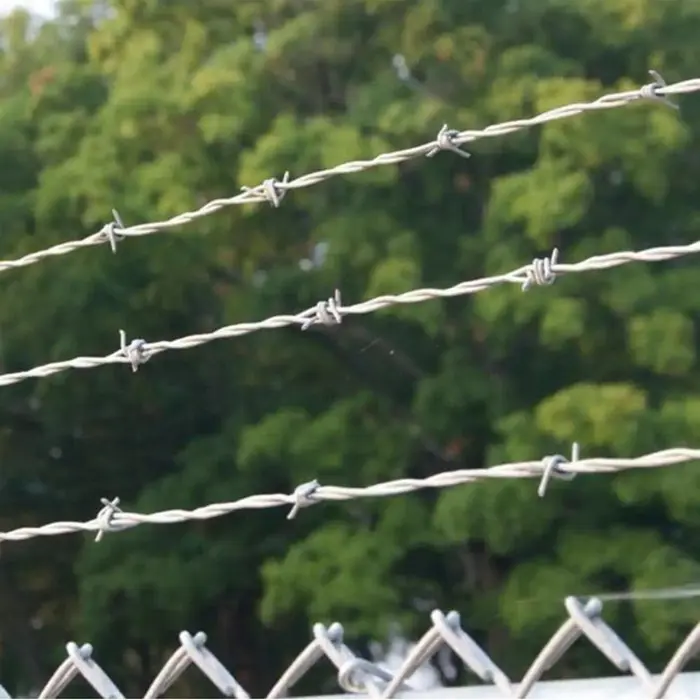

Fixed Knot Fence Installation is a key solution, particularly in agricultural and security applications… it’s something you don’t really think about until you need serious perimeter protection. This article explores how Fencing Wire Mesh supports professionals with durable, high-performance products, and explains why it’s an increasingly popular choice for businesses needing long-lasting, low-maintenance fencing.
Table of Contents
- Fixed Knot Fence Installation Overview
- Benefits & Use Cases of Fixed Knot Fence Installation
- Cost, Maintenance & User Experience
- Sustainability & Market Trends
Fixed Knot Fence Installation Overview
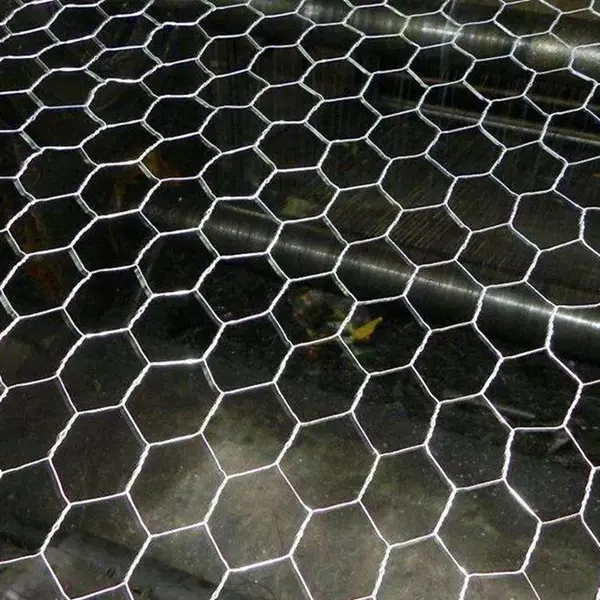
Okay, so what is fixed knot fencing? It's not like your grandpa's woven wire. Frankly, it's a substantial step up in terms of structural integrity. Each knot is individually tied – hence the name – which distributes stress much more evenly. This is critical in environments where you're dealing with animal pressure, security threats, or even just strong winds. We’re talking about galvanized steel wire, typically, though stainless steel is increasingly common for corrosive environments. The mesh size varies widely, depending on the application… from keeping in small livestock to deterring more serious intrusion attempts. Here's a quick rundown of some typical specifications:
| Specification | Typical Value | Unit |
|---|---|---|
| Wire Diameter | 12.5 | Gauge |
| Mesh Opening | 2 x 1 | Inches |
| Post Spacing | 8-10 | Feet |
Benefits & Use Cases of Fixed Knot Fence Installation
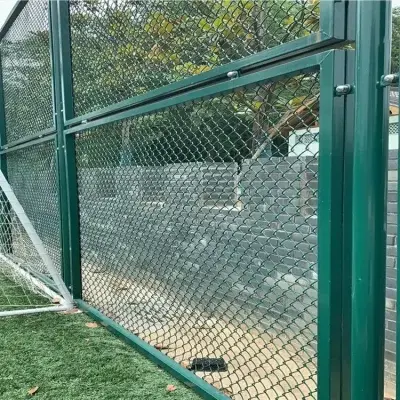
Where do you see this stuff being used? Everywhere, honestly. Large-scale agricultural operations, of course – containing cattle, horses, even poultry. But increasingly, it’s popping up around correctional facilities, airports, and industrial plants. The durability is a huge selling point, you know? It can withstand a lot of abuse. We've also seen a rise in its use for wildlife management, creating secure boundaries without significantly impacting animal movement (depending on the mesh size, naturally). It’s more expensive upfront than, say, chain link, but the long-term cost savings from reduced maintenance and replacement are significant. Here's how some of the key players stack up:
| Vendor | Price (per foot) | Warranty | Lead Time |
|---|---|---|---|
| Fencing Wire Mesh | $3.50 - $6.00 | 10 Years | 2-3 Weeks |
| Secure Perimeter Inc. | $4.00 - $7.50 | 5 Years | 4-6 Weeks |
| Global Fence Solutions | $3.75 - $6.75 | 7 Years | 3-4 Weeks |
Cost, Maintenance & User Experience
Okay, the upfront cost is higher. Let’s be real. But many engineers I’ve spoken with say the reduced lifecycle costs make it a no-brainer. Think about it: fewer repairs, less frequent replacements. The galvanization and, increasingly, the powder coating, really hold up. We had a client – a large dairy farm in Wisconsin – who replaced their entire perimeter fencing with our fixed knot system two years ago. They were constantly battling broken wire and escaped livestock with their old fencing. Now? Almost zero issues. It feels like a really solid investment. Maintenance is typically limited to periodic inspections for damage and tightening of any loose connections.
Sustainability & Market Trends
There’s a growing demand for more sustainable fencing solutions, and fixed knot fencing fits the bill. The longevity reduces the need for frequent replacements, minimizing waste. Plus, the materials themselves are increasingly recyclable. Oddly enough, the market is also being driven by increasing security concerns… and frankly, people are willing to pay a premium for peace of mind. We're seeing a shift towards higher-gauge wire and more robust construction, even in agricultural applications. It's a competitive space, but innovation is constant.
Frequently Asked Questions about Fixed Knot Fence Installation
- What is Fixed Knot Fence Installation and how does it work?
- Fixed knot fence installation involves a fencing system where each knot is individually tied, providing exceptional strength and stability. This method distributes stress evenly across the entire fence line, minimizing sagging and breakage.
- What are the main benefits of using Fixed Knot Fence Installation in industrial applications?
- The key benefits include increased durability, reduced maintenance costs, enhanced security, and a longer lifespan compared to traditional fencing options. It’s exceptionally resilient to animal pressure and adverse weather conditions.
- How does Fixed Knot Fence Installation compare to traditional alternatives?
- Compared to woven wire or chain link, fixed knot fencing offers significantly higher tensile strength and resistance to stretching and deformation. It's a more premium option, but provides superior long-term performance.
- What industries can benefit most from Fixed Knot Fence Installation implementation?
- Industries that can significantly benefit include agriculture (livestock containment), security (perimeter protection for facilities), wildlife management, and transportation (highway barriers).
Conclusion on Fixed Knot Fence Installation from China
So, yeah… fixed knot fencing is an investment, but a smart one. It’s not just about keeping things in or out; it’s about reliability, minimizing long-term costs, and frankly, doing the job right. For durable, high-performance fencing solutions, visit our website and get a quote today.