
Understanding the Demand for Galvanized Horse Fencing
Galvanized horse fencing… it's more than just keeping horses in a field, you know? It’s about safety, longevity, and frankly, peace of mind for farm owners and facility managers. We, at FencingWireMesh, have been seeing a consistent uptick in demand, and I think it really boils down to a growing understanding of the long-term value. It's a specialized area—not everyone understands the nuances of equine safety—but those who do tend to invest in quality.
Table of Contents
- Galvanized Horse Fencing: A Deep Dive
- Applications and Benefits
- Cost, Maintenance, and Real-World Performance
- Sustainability and Future Trends
Galvanized Horse Fencing: A Deep Dive
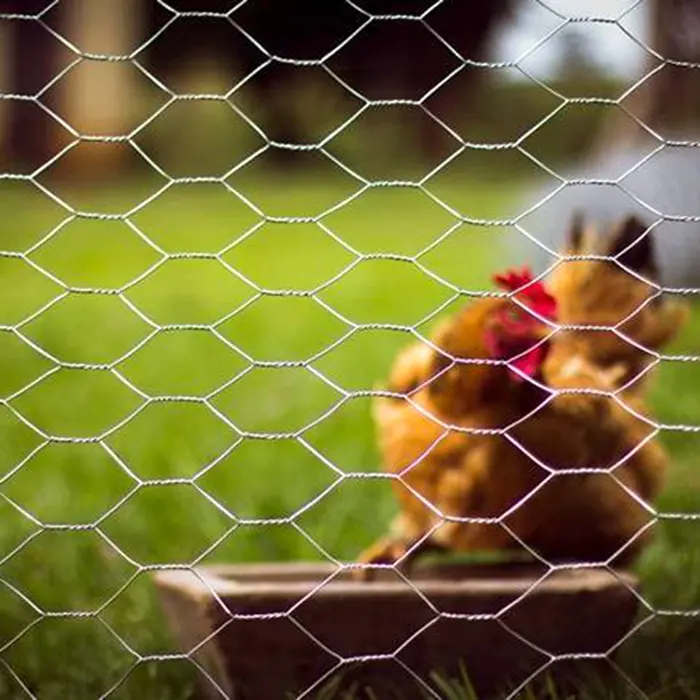
Essentially, galvanized horse fencing uses steel wire that’s been coated with zinc. It's not a new idea, obviously, but the processes have improved significantly. We're talking about hot-dip galvanizing, which creates a much thicker, more durable coating than electro-galvanizing. That extra zinc layer is critical – it’s what prevents rust and corrosion, extending the fence’s lifespan. Here are some key specs, just to get into the details a bit…
| Specification | Value | Notes |
|---|---|---|
| Wire Gauge | 12.5 Gauge | Common for horse fencing |
| Zinc Coating | Class 3 Galvanization | Provides superior corrosion resistance |
| Breaking Strength | 2200 lbs | Ensures safety and security |
Applications and Benefits
You’ll see it used everywhere from small private stables to large breeding farms and eventing facilities. The biggest benefit, I suppose, is safety. Unlike wood, galvanized steel doesn't splinter, and it’s far less likely to break under pressure. That minimizes the risk of injury to the horses. Plus, it’s incredibly durable. It feels like a set-it-and-forget-it kind of solution, which is attractive to busy farm managers. And, let’s be honest, it looks good – a clean, professional aesthetic.
Cost, Maintenance, and Real-World Performance
The initial cost is often higher than wood, there’s no getting around that. But, when you factor in the lower maintenance and extended lifespan, the total cost of ownership is significantly lower. Many engineers say that a properly installed galvanized steel fence can easily last 20-30 years, while a wooden fence might need replacing every 10-15. We had a client, a large equestrian center in Kentucky, switch over last year. They were tired of constant repairs and the ongoing expense of replacing rotten posts. They’re already seeing savings on labor costs. Here’s a quick vendor comparison:
| Vendor | Price/Roll (100ft) | Zinc Coating | Warranty |
|---|---|---|---|
| FencingWireMesh | $180 | Class 3 | 15 Years |
| Stronghold Fencing | $200 | Class 2 | 10 Years |
| RuralGuard | $160 | Class 1 | 5 Years |
Sustainability and Future Trends
Steel is highly recyclable, which is becoming increasingly important. There’s a growing emphasis on sustainable farming practices, and choosing materials with a lower environmental impact is part of that. I suppose the biggest trend I’ve noticed is a move towards higher-tensile steel, which allows for lighter gauge wire without sacrificing strength. That reduces material usage and lowers transportation costs, which is a win-win.
Frequently Asked Questions about Galvanized Horse Fencing
- What is Galvanized Horse Fencing and how does it work?
- Galvanized horse fencing utilizes steel wire coated with zinc to protect against corrosion, creating a long-lasting and safe enclosure for horses. The zinc layer acts as a barrier, preventing rust and ensuring durability.
- What are the main benefits of using Galvanized Horse Fencing in industrial applications?
- Key benefits include increased safety (no splinters), reduced maintenance, extended lifespan, cost-effectiveness over time, and a professional appearance. It’s ideal for high-traffic areas and demanding environments.
- How does Galvanized Horse Fencing compare to traditional alternatives?
- Compared to wood, galvanized fencing requires significantly less maintenance and lasts much longer. It’s stronger and safer than traditional wire fencing, offering superior protection for horses. While the initial cost may be higher, the long-term value is substantial.
- What industries can benefit most from Galvanized Horse Fencing implementation?
- Equestrian facilities, breeding farms, livestock ranches, veterinary hospitals, and any location requiring a durable, safe, and reliable horse enclosure can benefit from galvanized horse fencing.
Conclusion on Galvanized Horse Fencing from china
Ultimately, investing in quality galvanized horse fencing is an investment in the well-being of the animals and the longevity of the facility. It’s a pragmatic choice, I think, for anyone serious about equine care. Visit our website: https://www.fencingwiremesh.com
- Don’t skimp on the zinc coating—it’s worth it.