
Understanding the Rise of Galvanized Horse Fence
You know, I’ve been working around fencing for…well, a long time now, and it’s funny how things cycle. There's always a need for reliable containment, and frankly, when it comes to horses, reliability isn't just a nice-to-have—it’s a necessity. We're seeing a real push for galvanized horse fence lately, and it’s not just hype. It's a genuine response to demands for longer-lasting, safer solutions. This isn't the flimsy wire of decades past; it's a sophisticated product designed for performance. Fencingwiremesh.com has been a key partner in navigating this shift, and it’s interesting to see how they’re adapting to the needs of the market. It feels like every ranch, boarding facility, and even hobby farm is reassessing their fencing choices.
Table of Contents
- Galvanized Horse Fence: The Fundamentals
- Applications & Advantages for Professionals
- Cost Analysis & Long-Term Value
- Market Trends and Sustainability
Galvanized Horse Fence: The Fundamentals
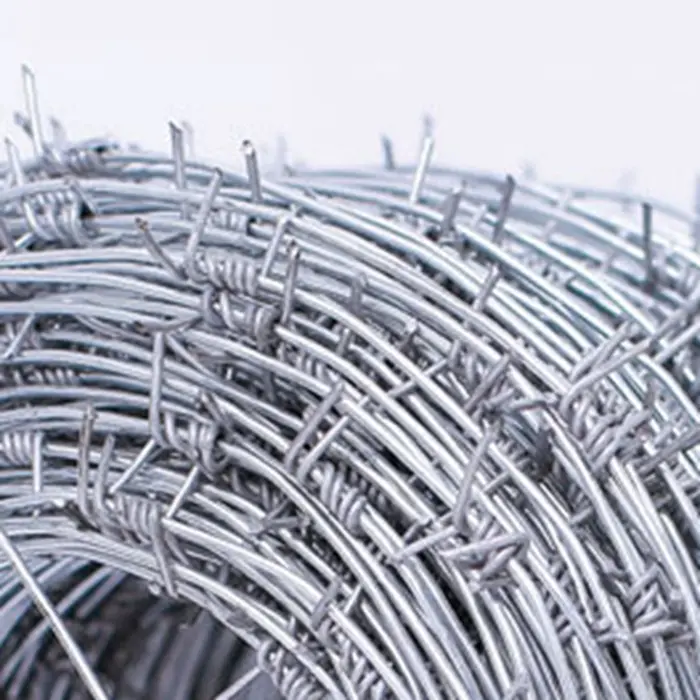
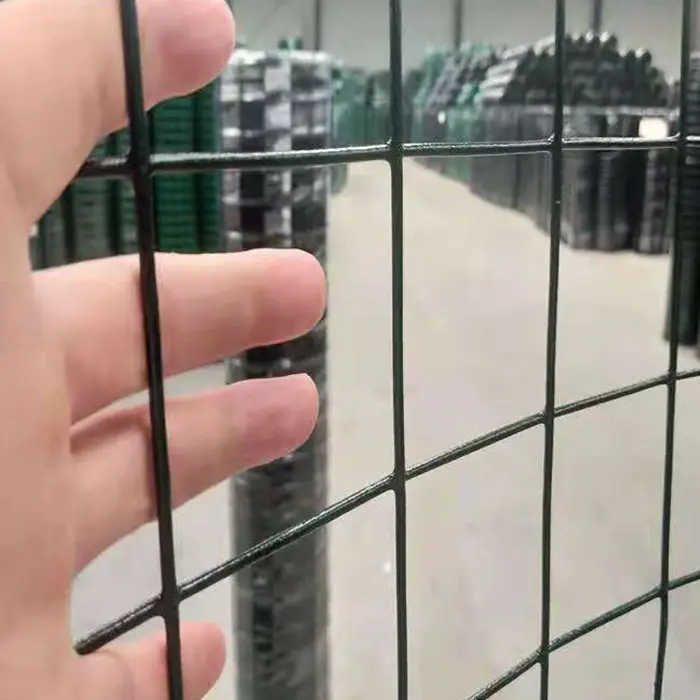
At its core, galvanized horse fence is steel wire coated with a layer of zinc. But that sounds simple, doesn’t it? The process—hot-dip galvanizing—is what makes it truly effective. The steel is submerged in molten zinc, creating a metallurgical bond that protects against corrosion. Now, different gauges and wire diameters exist, and that’s where the specifications come into play. We’ve been working with Fencingwiremesh.com’s 12.5 gauge wire quite a bit lately; it’s robust without being overly heavy. I suppose you could say it strikes a good balance. Here's a look at some common specs:
| Specification | Value | Notes |
|---|---|---|
| Wire Gauge | 12.5, 9, 6 | Lower gauge = thicker wire |
| Zinc Coating | Class 3 (higher corrosion resistance) | Measured in grams per square meter |
| Tensile Strength | 180,000 PSI (typical) | Important for impact resistance |
Applications & Advantages for Professionals
The use cases are pretty broad. Obvious ones are horse pastures, paddocks, and arenas. But we’re also seeing it used more frequently for cattle containment, even some larger livestock operations. Many engineers say the key advantage is longevity – it’s a serious long-term investment. Compared to wood fencing, the maintenance is significantly lower. No more rotting posts or splintering rails. And when it comes to safety, it's a huge step up. A well-installed galvanized horse fence is less likely to cause injury than a broken wooden rail. Here's a quick comparison with some of the usual suspects:
| Vendor | Product Quality | Price (per 100ft) | Customer Support |
|---|---|---|---|
| Fencingwiremesh.com | Excellent | $350 - $500 | Very Responsive |
| Thompson Fence | Good | $400 - $550 | Average |
| Farm Supply Co. | Fair | $300 - $400 | Limited |
Cost Analysis & Long-Term Value
Okay, so initial costs can be higher than, say, wood. There's no getting around that. But—and it’s a big but—the total cost of ownership is where galvanized fence really shines. Reduced maintenance, fewer repairs, and a much longer lifespan all add up. I spoke with a ranch owner in Texas recently who replaced all of his wood fencing with galvanized about five years ago. He estimated he'd saved a significant amount of money on repairs and replacement costs alone. He'd been constantly patching and fixing the wood, and it was a never-ending cycle. I noticed his horses seemed a lot calmer too, probably because they weren't constantly testing the integrity of a flimsy fence. It’s that kind of real-world feedback that's convincing.
Market Trends and Sustainability
The trend towards sustainable agriculture and responsible land management is definitely driving demand. Galvanized steel is recyclable, which is a bonus. And frankly, the durability contributes to sustainability—less frequent replacement means less waste. Oddly enough, we're also seeing increased demand for aesthetically pleasing fencing solutions. People want functionality and a good look. Fencingwiremesh.com offers various coating options that address this need. The market is kind of split between those who prioritize pure cost and those who understand the long-term value and safety benefits.
Frequently Asked Questions about Galvanized Horse Fence
- What is Galvanized Horse Fence and how does it work?
- Galvanized horse fence uses steel wire coated with zinc via hot-dip galvanization, creating a protective bond against corrosion, ensuring long-lasting durability and safety for horses.
- What are the main benefits of using Galvanized Horse Fence in industrial applications?
- Key advantages include its longevity, reduced maintenance needs, enhanced safety for livestock, and cost-effectiveness over the fence's lifespan compared to traditional options like wood.
- How does Galvanized Horse Fence compare to traditional alternatives?
- Galvanized horse fence surpasses traditional materials like wood in durability, corrosion resistance, and safety, while offering a lower total cost of ownership despite potentially higher initial investment.
- What industries can benefit most from Galvanized Horse Fence implementation?
- Industries such as equine facilities, livestock farms, agricultural operations, and ranches can significantly benefit from its durability, safety, and low-maintenance features.
Conclusion on Galvanized Horse Fence from china
Ultimately, investing in quality galvanized horse fence isn’t just about building a barrier; it’s about peace of mind and long-term value. It’s a choice that minimizes headaches and maximizes safety for your animals. Visit our website: https://www.fencingwiremesh.com for a full selection.
- Don’t skimp on quality when it comes to animal containment.