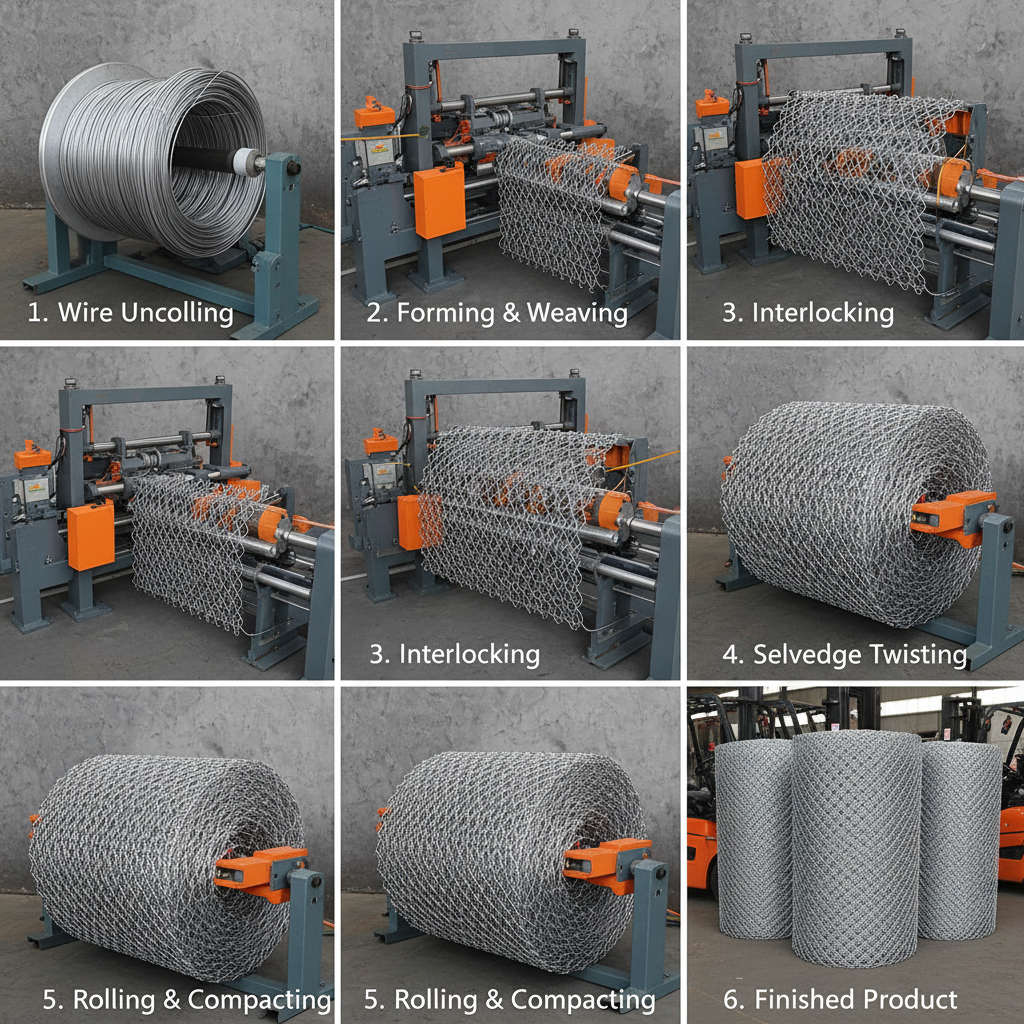

Galvanised Netting: Durable Solutions for Industrial Needs
Having worked around galvanised netting for close to two decades, I’ve come to appreciate just how indispensable this humble material can be. It’s one of those unsung heroes in the industrial equipment world — you don’t always notice it, but you’d definitely miss it if it were gone.
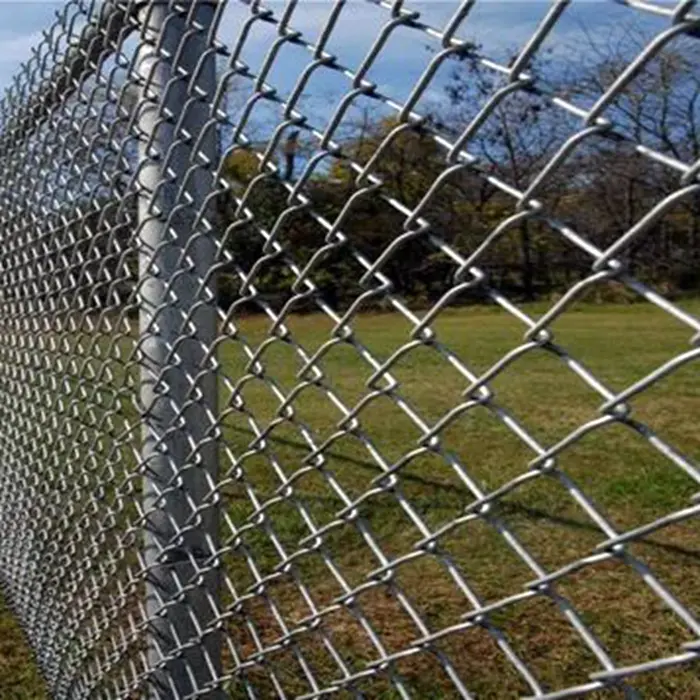
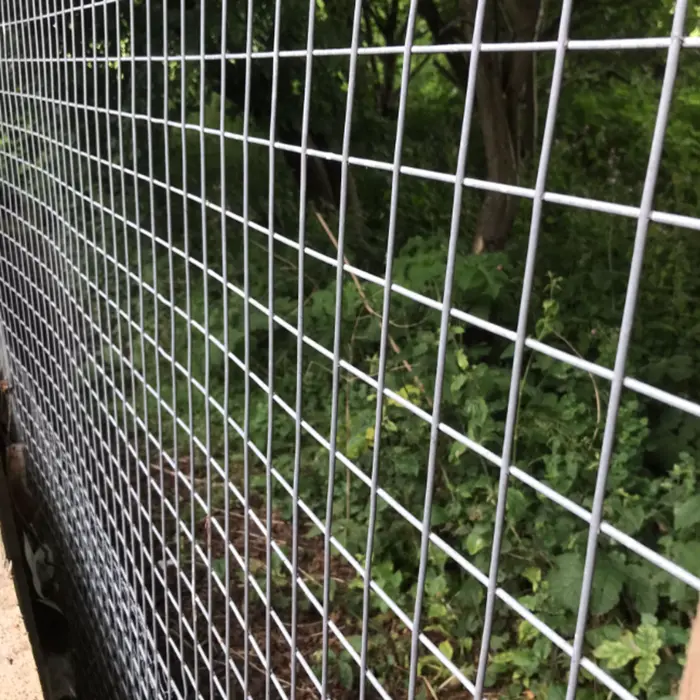
Galvanised netting basically means wire mesh that’s coated with a layer of zinc to fend off rust and corrosion. This zinc layer acts like a shield, especially when the netting is out in the open, exposed to rain, humidity, or even salty air near the coast. Frankly, the weather could be relentless, but galvanisation keeps the mesh functional—and looking decent—for years.
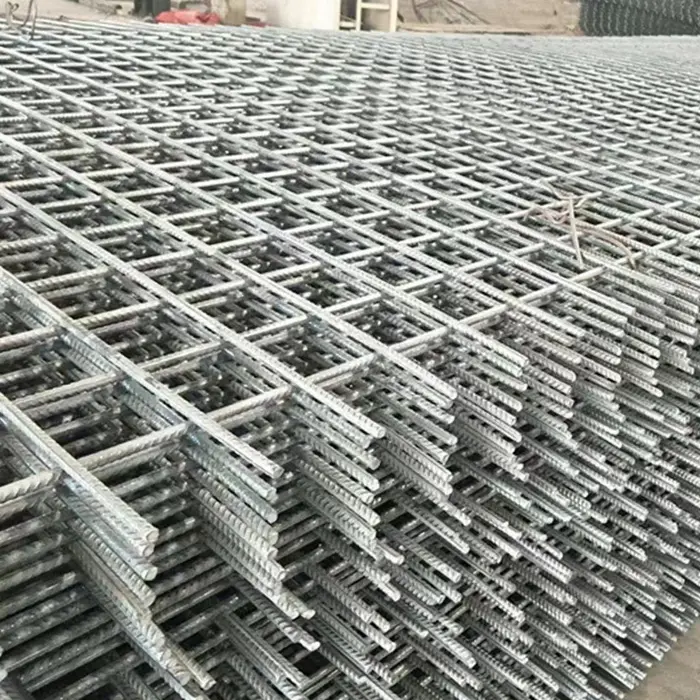
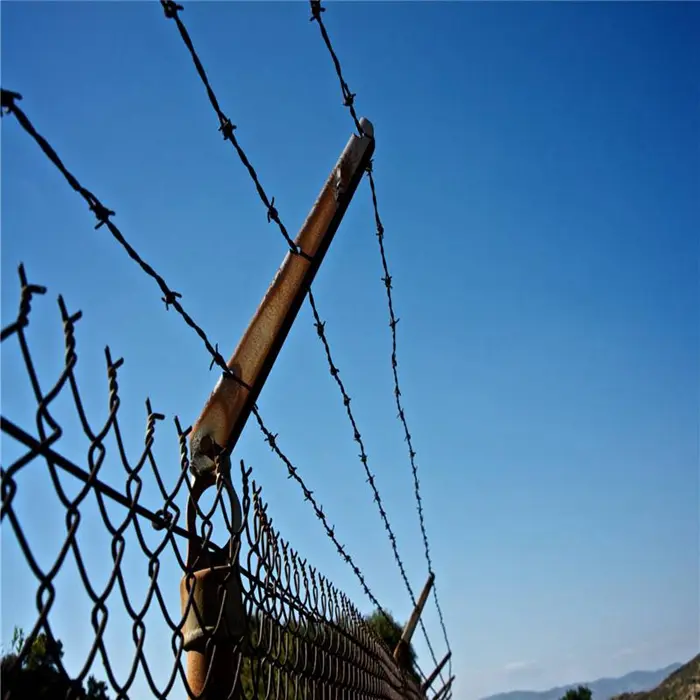
In real terms, galvanised netting finds its way into fencing, screening, partitions, and even concrete reinforcement. The industrial sector loves it not only for its strength but also because it’s relatively affordable and versatile. I remember one project where we substituted standard mesh with galvanised netting — the difference in longevity was striking. No after-the-fact rust issues, and maintenance was practically zero.
One thing that caught my eye over time is how variable the specifications of galvanised netting can be, depending on the intended use. The wire diameter, mesh aperture size, and galvanisation type (hot-dipped versus electro-galvanised) all play crucial roles. Hot-dipped galvanising generally offers better corrosion resistance because the zinc layer is thicker, but it’s also costlier and can be a bit rougher to the touch.
Many engineers I’ve chatted with tend to favour hot-dipped for outdoor heavy-duty projects and electro-galvanised for indoor or less exposed applications. Of course, customization is often on the table: you can get netting with different wire gauges, roll lengths, and aperture sizes to suit specific technical demands.
| Specification | Details |
|---|---|
| Material | Low Carbon Steel Wire |
| Coating | Hot-Dipped Zinc / Electro-Galvanised |
| Wire Diameter | 0.8mm – 5mm |
| Mesh Size (Aperture) | 12.5mm x 12.5mm up to 100mm x 100mm |
| Roll Lengths | 10m – 50m |
| Finish | Silver-grey metallic |
Oddly enough, while galvanised netting is all about durability, it’s also surprisingly flexible in application. You might find it on a farm protecting livestock, at a construction site forming temporary barriers, or even in architectural projects adding a “raw” aesthetic element. The multi-functionality makes it a staple choice for many operations — I’ve lost count of how many times we’ve switched roll sizes and mesh apertures just to meet exact client specs.
Now, if you’re thinking about who to source it from, there are a few vendors worth comparing, depending on your specific needs. Here is a quick rundown based on my experience and industry feedback:
| Vendor | Product Quality | Customization Options | Lead Time | Typical Price Range |
|---|---|---|---|---|
| FencingWireMesh.com | High | Excellent – custom wire diameter & mesh | 2-4 weeks | Mid-range |
| Generic Industrial Supply | Medium | Limited | 1-2 weeks | Lower end |
| Premium Mesh Solutions | Very High | Wide range & speciality coatings | 3-5 weeks | High-end |
I recall one client who needed galvanised netting with precise dimensions for a heavy-duty food processing barrier—safety was paramount. After some back and forth, we landed on a hot-dipped galvanised mesh from FencingWireMesh.com. The reliability and customization the vendor offered really sealed the deal. The project went smoothly, and the client was thrilled that the netting showed no signs of wear after a year of daily washdowns and exposure.
To put it bluntly, galvanised netting might feel like just “wire stuff,” but its impact on durability, safety, and cost-effectiveness in the industrial realm is significant. Choosing the right type and vendor can save headaches and rework down the line.
So, if you’ve ever needed a mesh solution that lasts and bends to your needs without breaking the bank, galvanised netting from a trustworthy supplier like FencingWireMesh.com might be worth a look. It’s one of those things where, once you get it right, you almost forget it’s there—until you think about what a hassle it would be without it.
Here’s hoping this little rundown helps next time you’re faced with a mesh decision. It’s a deceptively simple product, but if you ask me, quality and specs really make all the difference.
References:
- Industry guidelines on galvanisation and mesh standards, ASTM A123/A123M-20
- Hot-dip vs electro-galvanisation technical comparison – Steel Construction Institute
- Customer testimonials and case studies from fencingwiremesh.com