
Hex Wire Fencing: A Tried-and-True Choice in Industrial and Agricultural Applications
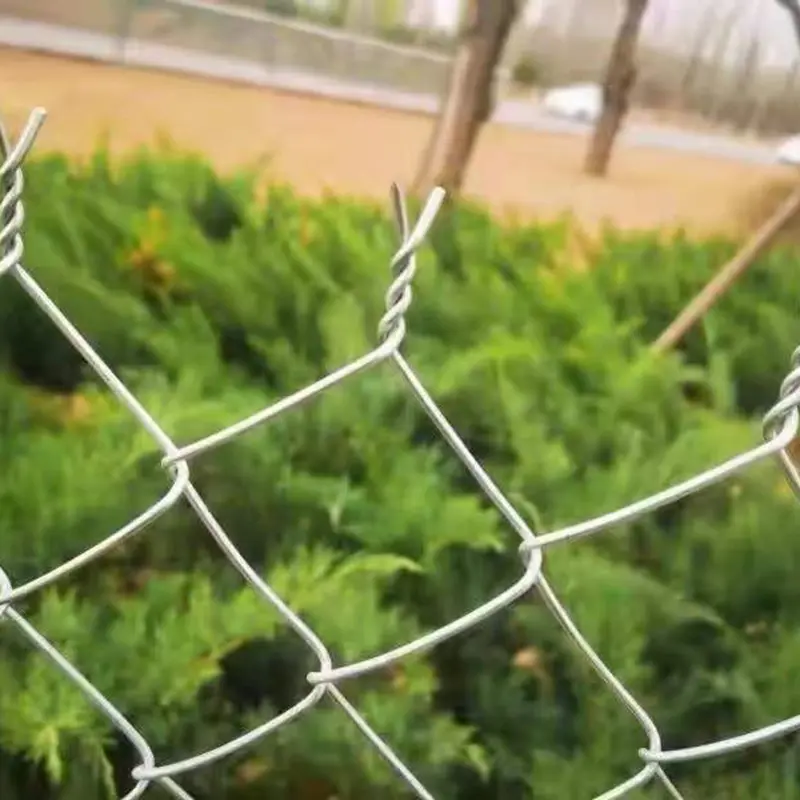
Having spent over a decade knee-deep in the industrial equipment sector, I’ve seen how certain staples just refuse to go out of style. Hex wire fencing is one of those products. You might think fencing is just fencing, but there’s something kind of special about the hexagonal mesh pattern — it’s both functional and surprisingly versatile.
Oddly enough, hex wire fencing has been around for over a century, mostly topping fences on farms, poultry enclosures, and sometimes even around construction sites. I remember a client once telling me, “If it can keep chickens safe from foxes and still stand up to harsh winters, it’ll do the job anywhere.” And frankly, there is a grain of truth there — the product’s endurance is impressive.
From the wire diameter to the mesh size, every aspect influences the end use. The hexagonal shape distributes pressure better than simple square meshes, which means less sagging and longer service life. Materials have also evolved — premium hex wire fencing now often uses galvanized steel or PVC coatings to resist corrosion. You wouldn’t believe the difference it makes, especially in humid or coastal environments.
Testing standards are tight in this industry — tensile strength, elongation, and rust resistance get measured carefully. I recall our supplier emphasizing these attributes when pitching a project to secure perimeter fencing for a renewable energy site. Custom mesh sizes, wire thickness, and roll lengths can be tailored to fit unique project requirements, which is incredibly handy if you want to avoid a generic “one-size-fits-all” solution.
Here’s a compact look at typical hex wire fencing specs:
| Specification | Typical Range | Notes |
|---|---|---|
| Wire Diameter | 0.8 – 2.0 mm | Thicker wire for heavy-duty use |
| Mesh Opening | 12.5 – 50 mm | Depends on animal or security requirements |
| Coating | Galvanized, PVC coated | PVC adds corrosion resistance and color options |
| Roll Length | 10 – 50 meters | Custom lengths often available |
But obviously, not all suppliers treat their hex wire fencing equally. I’ve dealt with a few vendors over the years and can say that price, quality, and delivery times vary way more than you might suspect. Here’s a quick comparison of three vendors I’ve worked with recently:
| Vendor | Quality Grade | Customization Options | Typical Lead Time | Price Range |
|---|---|---|---|---|
| FencePro Ltd. | High (Galvanized + PVC) | Wide (diameter, mesh size, color) | 2-3 weeks | $$$ |
| Basic Wire Co. | Medium (Galvanized only) | Limited (mesh sizes only) | 1-2 weeks | $ |
| WireMaster Inc. | High (Hot-dip galvanizing) | Moderate (diameter & length) | 3-4 weeks | $$ |
One vivid memory stands out: a smaller poultry farming operation that was struggling with predator losses. They switched to higher gauge hex wire fencing with a finer mesh size and PVC coating. I visited the site a few months later — those pesky foxes were nowhere in sight, and the owner was visibly relieved. It’s moments like this that remind me fencing isn’t just steel strands and hexagons; it’s peace of mind.
So, what’s the takeaway if you’re considering hex wire fencing? Well, it pays to think about your specific needs—are you fencing livestock, garden beds, or a construction site? The best product isn’t always the most expensive one, but quality and durability do matter if you want fewer headaches down the road. If you have the chance, seek out suppliers who offer customization and solid warranties. I’ve noticed those tend to be reliable industry players.
Hopefully, this gives you a snapshot of why hex wire fencing keeps holding its ground after all these years. There’s a reason this old workhorse hasn’t been replaced by something shinier — sometimes, solid, simple engineering eclipses flashiness. And frankly, there’s a kind of satisfaction knowing you’ve chosen a product that’s been tested and trusted by generations.
— From someone who’s been on the factory floor and the field, to the office and back again.
References:
- Fencing Industry Standards, ASTM International
- “Hexagonal Wire Mesh: Design and Application,” Journal of Agricultural Engineering
- Case Study: Predator-Proof Poultry Fencing, AgriFence Reports, 2021