
Understanding the Cost of a Chain Link Fence Installed
When securing a residential or commercial property, one of the most practical and durable options is chain link fencing. However, for most property owners, the primary question is the cost of a chain link fence installed. Unlike DIY projects, professional installation ensures structural integrity, proper tensioning, and long-term durability. The final price is rarely a flat rate; it fluctuates based on material gauges, fence height, terrain complexity, and regional labor rates. In this comprehensive guide, we will break down the financial components of installation to help you budget accurately for your security needs.
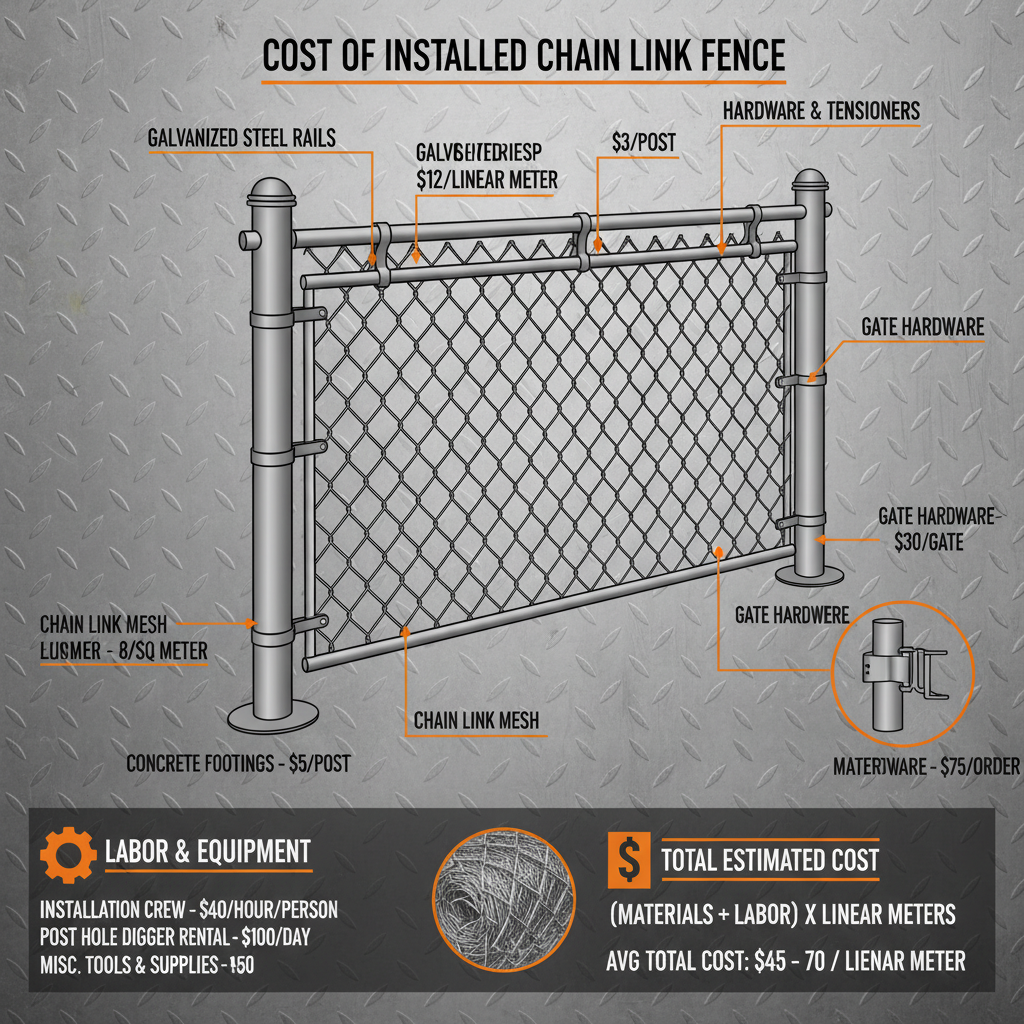
Primary Factors Influencing the Total Cost
Several variables dictate the total cost of a chain link fence installed. First is the material coating; galvanized steel is standard, but PVC-coated options increase the price due to better aesthetics and corrosion resistance. Second is the fence height; a 4-foot fence is significantly cheaper than an 8-foot security fence because it requires less wire and shorter posts. Finally, site preparation plays a huge role. If the installer needs to remove an old fence or level a rocky slope, the labor costs will rise. Choosing high-quality materials from a reputable supplier ensures you don't pay twice for repairs in the future.
Average Pricing Breakdown for Installed Fencing
To give you a clearer picture, we have categorized the typical expenses associated with professional installation. Generally, the cost of a chain link fence installed is calculated per linear foot. This includes the cost of the fabric, poles, concrete for footings, and the technician's time. Below is a detailed estimation table based on industry averages.
Comparing Material Options to Lower the Cost of a Chain Link Fence Installed
Choosing the right material is the most effective way to manage your budget. While some prioritize the lowest upfront price, others look at the lifecycle value. For instance, galvanized steel is highly cost-effective but may rust over decades in salty coastal air. PVC coating adds a layer of protection and a softer look, though it increases the initial cost of a chain link fence installed. By comparing these options, you can decide whether a basic industrial look or a refined residential finish fits your needs.
Pro Tip: To reduce costs, consider using a lower gauge wire for non-security boundaries and investing more in heavy-duty posts for corners and gates where tension is highest.
Technical Specifications: Choosing the Right Gauge
The thickness of the wire, known as the gauge, directly impacts both the security level and the cost of a chain link fence installed. A lower gauge number means a thicker, stronger wire. For residential yards, a 11.5 gauge is common, whereas industrial sites often require 9 gauge. Below are the standard specifications you should consider when requesting a quote from a contractor.
Hidden Costs to Watch Out For
When calculating the cost of a chain link fence installed, it's easy to overlook the "small" things that add up. Gate hardware is a primary example; a double-drive gate costs significantly more than a single pedestrian gate. Additionally, permits can vary by city and may add several hundred dollars to the project. Finally, consider topography. If your land is not flat, the installer must "step" the fence or follow the contour, which requires more labor and specialized cutting, increasing the total bill.
Maximizing Value: Maintenance and Long-Term Savings
The initial cost of a chain link fence installed is only part of the equation; the total cost of ownership includes maintenance. Chain link is praised for being low-maintenance, but periodic checks of the tension wires and clearing vegetation from the base can prevent sagging and corrosion. By investing in a professional installation and high-grade galvanized or PVC-coated wire, you avoid the recurring costs of replacing rusted sections, ultimately saving money over 15 to 20 years.
Conclusion: Planning Your Installation Budget
Determining the cost of a chain link fence installed requires a balance between security needs, aesthetic preferences, and available budget. While material costs provide the baseline, labor and site conditions often dictate the final price. By selecting the appropriate gauge and coating and partnering with an experienced installation team, you can ensure a secure boundary that adds value to your property without unnecessary expenditure. Invest in quality today to avoid the costs of failure tomorrow.
Frequently Asked Questions (FAQs)
Is it cheaper to install a chain link fence myself or hire a professional?
While DIY installation can save you the labor cost (roughly 40-60% of the total bill), it often comes with hidden risks. Professional installers possess the tools to stretch the fabric properly—a critical step that prevents the fence from sagging over time. Furthermore, professionals handle the heavy lifting of digging post holes and pouring concrete. If the fence is not tensioned correctly, you may spend more in the long run on repairs. For most, the peace of mind and structural quality of a professionally installed fence justify the additional cost.
Does PVC coating significantly increase the installation cost?
Yes, PVC coating typically adds about 20% to 30% to the material cost compared to standard galvanized steel. However, the installation labor remains largely the same. The primary value of PVC is its ability to blend into landscapes (usually in green or black) and its superior resistance to rust in humid or coastal environments. If your property is near the ocean or you prefer a less "industrial" look, the slight increase in the cost of a chain link fence installed is a worthwhile investment for longevity and curb appeal.
How long does a professionally installed chain link fence last?
A professionally installed fence using high-quality galvanized steel can last between 20 to 30 years. PVC-coated fences may last even longer in corrosive environments because the plastic layer shields the metal from oxygen and moisture. The lifespan depends heavily on the gauge of the wire and the depth of the concrete footings. Regular maintenance, such as removing climbing vines that can trap moisture against the metal, will help you maximize your investment and delay the need for a full replacement.
What is the most cost-effective height for a residential fence?
For most residential needs, a 4-foot fence is the most cost-effective. It provides a clear boundary and keeps pets contained without requiring the massive amount of material or deep post-setting needed for 6 or 8-foot fences. If privacy or high security is not the primary goal, sticking to a 4-foot height can significantly lower the total cost of a chain link fence installed. Always check local zoning laws, as some neighborhoods have strict height restrictions that could lead to fines if ignored.