
Introduction to Stainless Steel Grating: The Advanced Stainless Steel Net Solution
In demanding industrial and commercial environments, the selection of robust, corrosion-resistant, and high-performance materials is paramount. Among these, stainless steel net, specifically in the form of heavy-duty stainless steel grating, stands out as an indispensable solution. This comprehensive article delves into the critical aspects of stainless steel grating, exploring its manufacturing intricacies, technical specifications, diverse application scenarios, and the compelling advantages it offers across various sectors. We will also examine industry trends, provide insights into vendor selection, discuss customization capabilities, and present real-world case studies to illustrate its efficacy. Our focus is to provide B2B decision-makers and engineering professionals with a definitive guide to understanding and leveraging the full potential of these advanced solutions for optimal operational performance and longevity.
Beyond traditional mesh applications, the term stainless steel net encompasses a broad spectrum of engineered products, with heavy-duty grating being a prime example of its robust form. This product category, often referred to as stainless steel grating, is meticulously designed to offer superior strength, excellent drainage capabilities, and unparalleled resistance to environmental stressors. It addresses critical needs in areas requiring robust structural integrity combined with exceptional hygienic and corrosive-resistant properties, differentiating it significantly from simpler wire mesh or even stainless steel gabions used for erosion control.
Industry Trends and Market Dynamics for Stainless Steel Solutions
The global demand for high-performance industrial materials continues to surge, driven by rapid urbanization, infrastructure development, and an increasing focus on sustainability and asset longevity. Key market trends indicate a strong preference for materials that offer extended service life, minimal maintenance, and superior resistance to harsh operating conditions. This is particularly evident in sectors such as chemical processing, offshore oil & gas, food and beverage, and wastewater treatment, where material failure can lead to significant operational disruptions and safety hazards.
Stainless steel, with its inherent corrosion resistance, high strength, and aesthetic appeal, is perfectly positioned to meet these evolving demands. The market for products like stainless steel grating is experiencing robust growth, propelled by stringent regulatory requirements for safety and hygiene, particularly in food processing and pharmaceutical industries. Furthermore, the trend towards "green" infrastructure projects and a life-cycle cost analysis approach by decision-makers further solidifies the position of durable solutions. The adoption of advanced manufacturing techniques and customization options is also broadening the application spectrum, making high-quality stainless steel net products more accessible and tailored to specific project needs than ever before.
Manufacturing Process Flow of Heavy-Duty Stainless Steel Grating
The production of high-quality stainless steel grating, often considered a specialized form of stainless steel net, involves a sophisticated multi-stage process designed to ensure structural integrity, precise dimensions, and optimal performance. This process flow adheres strictly to international standards such as ISO 9001 for quality management and ASTM A1069 for stainless steel welded wire grating.
Key Stages of Production:
- Material Selection and Preparation: The process begins with the careful selection of premium stainless steel alloys, typically Grade 304 or 316. 304 stainless steel offers excellent corrosion resistance for general applications, while 316 stainless steel, with added molybdenum, provides superior resistance to pitting and crevice corrosion in chloride-rich environments, making it ideal for marine or chemical processing. Raw materials arrive as flat bars (bearing bars) and round or twisted bars (cross bars) in various dimensions.
- Cutting and Notching: Bearing bars are precisely cut to specified lengths using advanced CNC shearing machines to ensure accuracy and minimize material waste. In some designs, bearing bars may be notched to allow for the interlocking of cross bars, particularly in swage-locked or press-locked grating.
- Welding (Resistance Welding): This is the core manufacturing method for most heavy-duty stainless steel grating. High-amperage resistance welding machines fuse the bearing bars and cross bars at their intersections under immense pressure. This creates a monolithic panel with exceptional strength and rigidity. The precision of this process is crucial for achieving consistent bar spacing and load distribution. For specialized applications, TIG (Tungsten Inert Gas) welding may be employed for enhanced strength and aesthetics.
- Trimming and Banding: After welding, the grating panels are trimmed to the final dimensions. Edge banding, where a solid flat bar is welded around the perimeter, enhances the structural integrity, provides a clean finish, and simplifies installation.
- Surface Treatment (Pickling and Passivation): For stainless steel, this is a critical step to optimize corrosion resistance. Pickling involves acid immersion to remove scale, oxides, and embedded iron particles from the surface, which can compromise the passive layer. Passivation then restores the chromium oxide passive layer on the surface, significantly enhancing the material's inherent corrosion resistance. This treatment is particularly vital for applications in corrosive environments, ensuring the longevity and performance of the stainless steel grating.
- Quality Inspection and Testing: Throughout the entire process, rigorous quality control checks are performed. This includes dimensional verification, weld integrity testing (e.g., destructive peel tests for samples), load-bearing capacity tests according to ANSI/NAAMM MBG 531-00 standards, and visual inspection for surface finish. Only panels meeting all specified criteria are approved for dispatch.
- Packaging: Finished panels are carefully packaged to prevent damage during transit, often with protective wrapping and secured on pallets.
The stringent adherence to these manufacturing steps ensures that the resulting stainless steel net products offer superior mechanical properties and an extended service life, often exceeding 20-30 years in non-aggressive environments, and maintaining high performance even in highly corrosive settings like petrochemical plants, metallurgy facilities, and water supply & drainage systems. The inherent corrosion resistance and high strength contribute to energy saving by reducing the need for frequent replacements and maintenance.
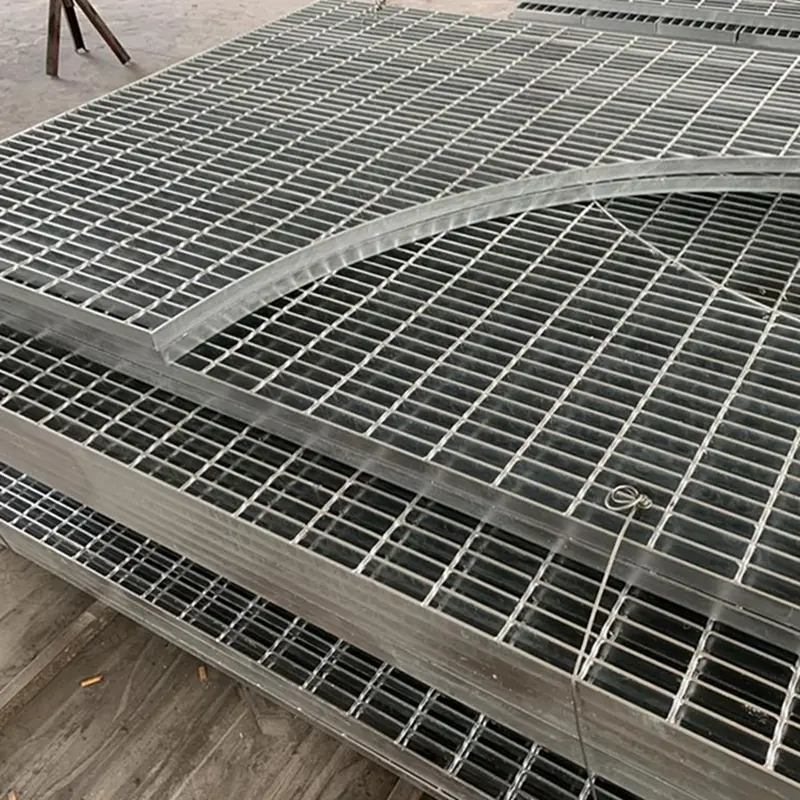
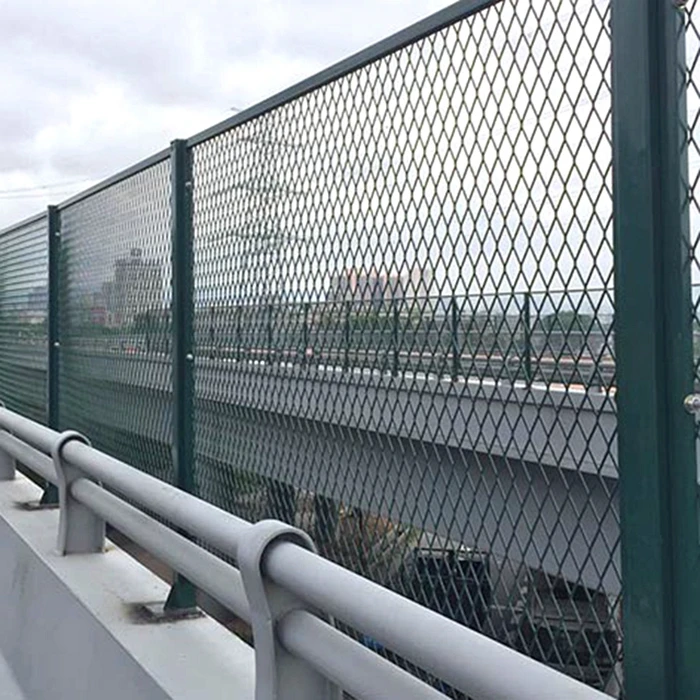
Image: High-precision manufacturing of stainless steel grating.
Technical Specifications and Parameters of Stainless Steel Grating
Understanding the technical specifications of stainless steel grating is crucial for proper selection and application. These parameters directly influence the grating's load-bearing capacity, span capability, and suitability for specific operational environments. Our heavy-duty 304/316 stainless steel grating is engineered to meet rigorous performance standards.
Key Structural Components:
- Bearing Bars: These are the primary load-carrying elements, oriented in the direction of the span. Their dimensions (depth and thickness) are critical for determining the grating's load capacity. Common dimensions range from 25mm x 3mm to 100mm x 10mm, depending on application demands.
- Cross Bars: Perpendicular to the bearing bars, cross bars provide lateral stability and maintain bearing bar spacing. They can be round, square, or twisted square bars.
- Bar Spacing (Mesh Size): Refers to the center-to-center distance between bearing bars and cross bars. Standard spacings include 30x100mm, 40x100mm, 30x50mm, or customized patterns, influencing open area, drainage efficiency, and safety (e.g., heel-safe).
- Serration: An optional feature where the top edge of the bearing bars is notched or serrated to provide enhanced slip resistance, crucial in wet, oily, or icy conditions.
Material Grades and Properties:
- Stainless Steel 304 (UNS S30400): An austenitic stainless steel with excellent corrosion resistance in a wide range of atmospheric, fresh water, and moderate chemical environments. It offers good formability and weldability. Typical applications include architectural elements, food processing equipment, and general industrial platforms.
- Stainless Steel 316 (UNS S31600): Also an austenitic stainless steel, 316 contains molybdenum, which significantly enhances its resistance to pitting and crevice corrosion, especially in chloride-containing media (e.g., seawater, certain chemical solutions). It is the preferred choice for marine, offshore, and highly corrosive chemical processing environments.
Product Specification Table: Heavy Duty Stainless Steel Grating
| Parameter | Description / Typical Range | Standards Met |
|---|---|---|
| Material Grades | SS304, SS316 (L optional) | ASTM A240, ASTM A276 |
| Bearing Bar Depth | 25mm - 100mm (1" - 4") | ANSI/NAAMM MBG 531-00 |
| Bearing Bar Thickness | 3mm - 10mm (1/8" - 3/8") | ANSI/NAAMM MBG 531-00 |
| Bearing Bar Pitch | 25mm, 30mm, 34mm, 40mm, 50mm | AS 1657-2013 |
| Cross Bar Pitch | 50mm, 100mm | AS 1657-2013 |
| Surface Treatment | Pickling & Passivation | ASTM A380/A380M |
| Surface Type | Plain or Serrated | OSHA 1910.24 |
| Panel Dimensions | Standard (e.g., 6000x1000mm) or Custom Fabricated | Client Specific |
| Load Capacity | Varies significantly by bearing bar size & span. Consult load tables. | ANSI/NAAMM MBG 531-00 |
These specifications underscore the versatility and robust engineering behind every stainless steel grating panel, making it a reliable choice for critical industrial applications.
Application Scenarios and Technical Advantages of Stainless Steel Grating
The unique properties of heavy-duty stainless steel grating position it as a preferred material in a multitude of demanding environments where durability, hygiene, and resistance to corrosion are paramount. From industrial walkways to sophisticated drainage systems, the applications are extensive and diverse.
Primary Application Sectors:
- Petrochemical and Chemical Processing: Ideal for platforms, walkways, and trench covers in areas exposed to corrosive chemicals, ensuring worker safety and equipment longevity.
- Offshore Oil & Gas: Used for rig platforms, helipads, and vessel decking, where resistance to saltwater corrosion and extreme weather is critical.
- Food and Beverage Processing: Essential for hygienic flooring, drainage channels, and equipment platforms, meeting stringent sanitation standards due to ease of cleaning and corrosion resistance.
- Wastewater Treatment Plants: Employed for access walkways, pit covers, and screen elements, withstanding exposure to harsh chemicals and biological agents.
- Architectural and Public Infrastructure: Increasingly specified for aesthetic facades, pedestrian bridges, and urban drainage systems where both functionality and visual appeal are desired.
- Power Generation: Used in power plants for platforms, catwalks, and stair treads, offering durability in high-temperature and demanding conditions.
Technical Advantages of Stainless Steel Grating:
- Superior Corrosion Resistance: The primary advantage, especially with Grade 316, making it virtually impervious to rust, oxidation, and chemical degradation in most industrial environments. This ensures an exceptionally long service life and reduced replacement costs.
- High Strength-to-Weight Ratio: Despite its robust load-bearing capabilities, stainless steel net in grating form can be engineered to be relatively lightweight, simplifying installation and reducing structural load on supporting frameworks.
- Excellent Slip Resistance: Serrated surface options provide superior traction, significantly enhancing safety for personnel in wet, oily, or icy conditions, thereby reducing workplace accidents.
- Hygienic and Easy to Clean: The non-porous surface of stainless steel prevents the accumulation of dirt, bacteria, and other contaminants, making it easy to sterilize and maintain, which is critical for food processing and pharmaceutical industries.
- Efficient Drainage and Ventilation: The open mesh design allows for rapid drainage of liquids, preventing pooling and potential slip hazards. It also promotes air circulation, which can be beneficial in areas requiring ventilation or heat dissipation, contributing to overall energy efficiency by reducing the need for forced ventilation systems.
- Aesthetic Appeal: Stainless steel offers a clean, modern, and professional appearance, making it suitable for architectural applications where visual appeal is as important as functionality.
- Low Maintenance: Due to its durability and corrosion resistance, stainless steel grating requires minimal ongoing maintenance, translating into lower operational costs over its lifespan.
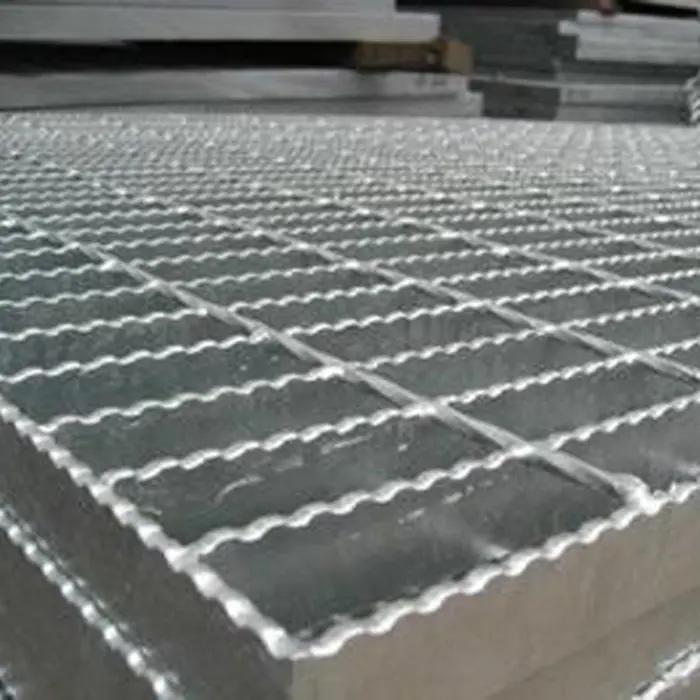
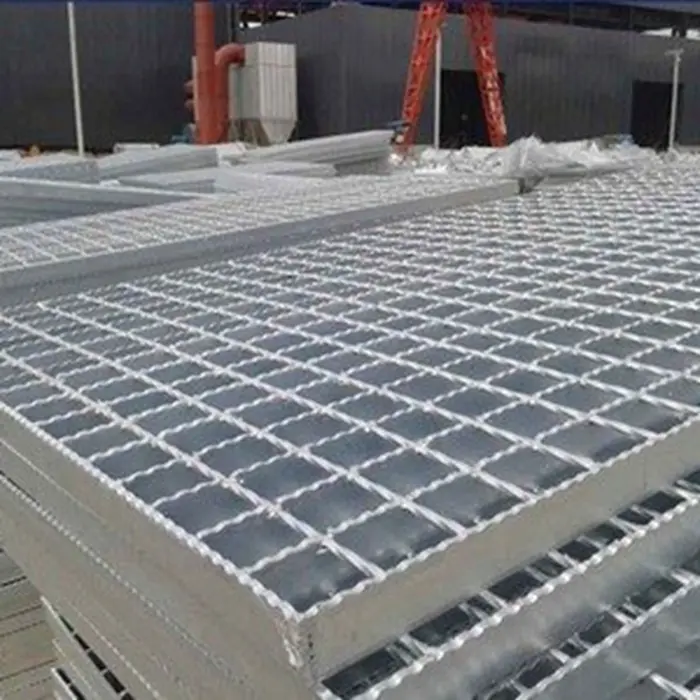
Image: Stainless steel grating as robust drainage cover in an industrial setting.
Vendor Comparison and Selection Criteria for Stainless Steel Grating
Choosing the right supplier for stainless steel grating is as critical as selecting the product itself. A reliable vendor ensures not only the quality of the material but also offers expert guidance, customization, and consistent support. When evaluating potential partners, consider the following key criteria:
Critical Selection Criteria:
- Material Quality and Sourcing: Verify that the vendor uses certified stainless steel alloys (e.g., mill test certificates for 304/316 SS). Inferior raw materials will compromise the grating's performance and lifespan.
- Manufacturing Precision and Technology: Assess the vendor's manufacturing capabilities. Do they utilize advanced welding techniques and CNC machinery to ensure precise bar spacing, consistent weld integrity, and accurate dimensions?
- Certifications and Compliance: A reputable vendor should hold relevant certifications such as ISO 9001 for quality management. Products should comply with international standards like ANSI/NAAMM, ASTM, and local safety regulations (e.g., OSHA for slip resistance).
- Customization Capabilities: The ability to provide tailored solutions for specific load requirements, panel dimensions, cut-outs, special finishes, and attachment methods is a significant advantage, particularly for complex industrial projects.
- Technical Expertise and Engineering Support: Look for a vendor who offers comprehensive engineering support, including load calculation assistance, CAD drawings, and design optimization. This ensures that the chosen stainless steel net solution is perfectly matched to the application's demands.
- Lead Time and Logistics: Evaluate the vendor's capacity for timely production and efficient delivery. For large-scale projects, reliable lead times and well-managed logistics are crucial to avoid project delays.
- After-Sales Support and Warranty: A commitment to quality is often backed by a robust warranty and responsive after-sales service, addressing any potential issues or future requirements.
- Pricing and Value Proposition: While cost is a factor, prioritize the overall value, which includes product quality, service life, maintenance savings, and vendor reliability, rather than simply the lowest upfront price.
Product Comparison Table: 304 SS vs. 316 SS Grating
| Feature | Stainless Steel 304 Grating | Stainless Steel 316 Grating |
|---|---|---|
| Molybdenum Content | None | 2-3% (typically) |
| Corrosion Resistance (General) | Excellent | Superior |
| Pitting/Crevice Corrosion Resistance | Good (Limited in chloride environments) | Very High (Enhanced in chloride environments like seawater) |
| Cost | Lower (Typically) | Higher (Due to Molybdenum content) |
| Typical Applications | Architectural, food processing, general industrial, freshwater | Marine, chemical processing, offshore, pharmaceutical, wastewater treatment |
| Weldability | Excellent | Very Good (Care with filler metals) |
This comparison highlights the critical decision-making process when selecting the appropriate stainless steel grade for specific environmental conditions and performance requirements, ensuring optimal return on investment for any stainless steel grating project.
Customized Solutions and Design Flexibility for Stainless Steel Grating
While standard sizes and specifications for stainless steel grating are available, many industrial and architectural projects require bespoke solutions. Customization is a cornerstone of our offering, allowing engineers and project managers to precisely match grating requirements to unique operational demands, aesthetic goals, and structural constraints.
Key Areas of Customization:
- Dimensions and Configuration: Grating panels can be fabricated to exact width, length, and shape specifications, including irregular cuts, circles, or complex geometries to fit around pipes, columns, and machinery.
- Bearing Bar and Cross Bar Spacing: Custom mesh sizes can be engineered to optimize open area for specific drainage or ventilation needs, or to meet 'heel-safe' requirements for pedestrian areas.
- Load-Bearing Capacity: Bearing bar depth and thickness can be adjusted to achieve precise load ratings for heavy-duty traffic, specialized equipment, or extended clear spans, always guided by engineering calculations.
- Surface Finish: Beyond standard mill finish, options include electropolishing for enhanced corrosion resistance and hygiene, or specialized coatings for specific aesthetic or functional requirements.
- Integrated Features: Custom cut-outs for pipes, handrails, or access points, integral stair nosings for treads, and specialized attachment clips can be designed and pre-fabricated.
- Material Grade: While 304 and 316 are standard, other stainless steel alloys can be considered for highly specialized corrosive environments, ensuring optimal material performance.
Our engineering team collaborates closely with clients, utilizing advanced CAD software and finite element analysis (FEA) to develop tailored solutions. This ensures that every customized stainless steel net product not only meets functional and safety requirements but also integrates seamlessly into the overall project design, minimizing installation complexities and maximizing operational efficiency.
Application Case Studies: Stainless Steel Grating in Action
Real-world applications vividly demonstrate the enduring value and versatility of heavy-duty stainless steel grating. These case studies highlight how our solutions address complex challenges and deliver long-term benefits in diverse industrial settings.
Case Study 1: Offshore Drilling Platform Walkways
- Challenge: An offshore oil platform required resilient walking surfaces that could withstand constant exposure to corrosive saltwater, strong winds, and heavy foot traffic, while also providing excellent slip resistance and drainage for safety. Traditional materials showed rapid degradation, requiring frequent, costly replacements and posing safety risks.
- Solution: We supplied custom-fabricated Grade 316L stainless steel grating with serrated bearing bars and tight bar spacing. The 316L alloy was chosen for its enhanced resistance to chloride-induced pitting corrosion, and the serrated surface ensured maximum traction even in stormy conditions.
- Outcome: The new grating provided a significantly safer and more durable walking surface. The superior corrosion resistance drastically reduced maintenance requirements and extended the service life of the walkways by over 200% compared to previous materials, leading to substantial operational cost savings and improved worker safety.
Case Study 2: Chemical Processing Plant Drainage System
- Challenge: A major chemical processing facility needed a robust drainage cover system for its effluent treatment area. The covers had to resist highly acidic and alkaline chemical spills, support heavy industrial vehicle traffic, and allow for efficient liquid evacuation to prevent hazardous pooling.
- Solution: We designed and fabricated heavy-duty 316 stainless steel trench grating with specific bearing bar depths and spacing optimized for both load capacity and chemical resistance. All panels underwent extensive pickling and passivation to maximize their inherent corrosion resistance.
- Outcome: The stainless steel grating solution provided a reliable, long-lasting drainage system. Its exceptional chemical resistance ensured structural integrity despite daily exposure to corrosive substances, dramatically reducing the risk of equipment failure and environmental contamination, while also improving safety for personnel and logistics.
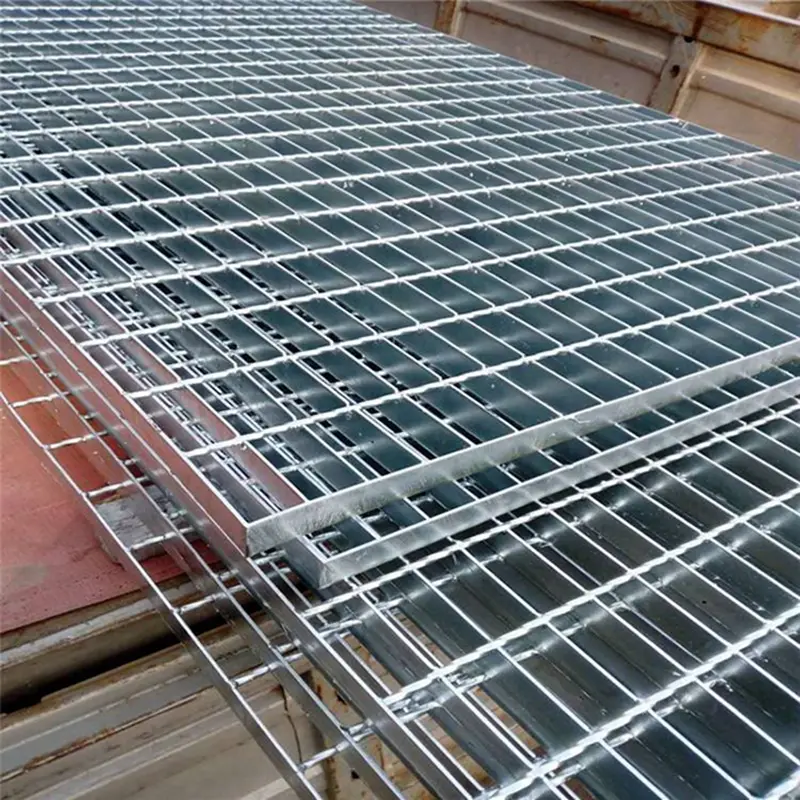
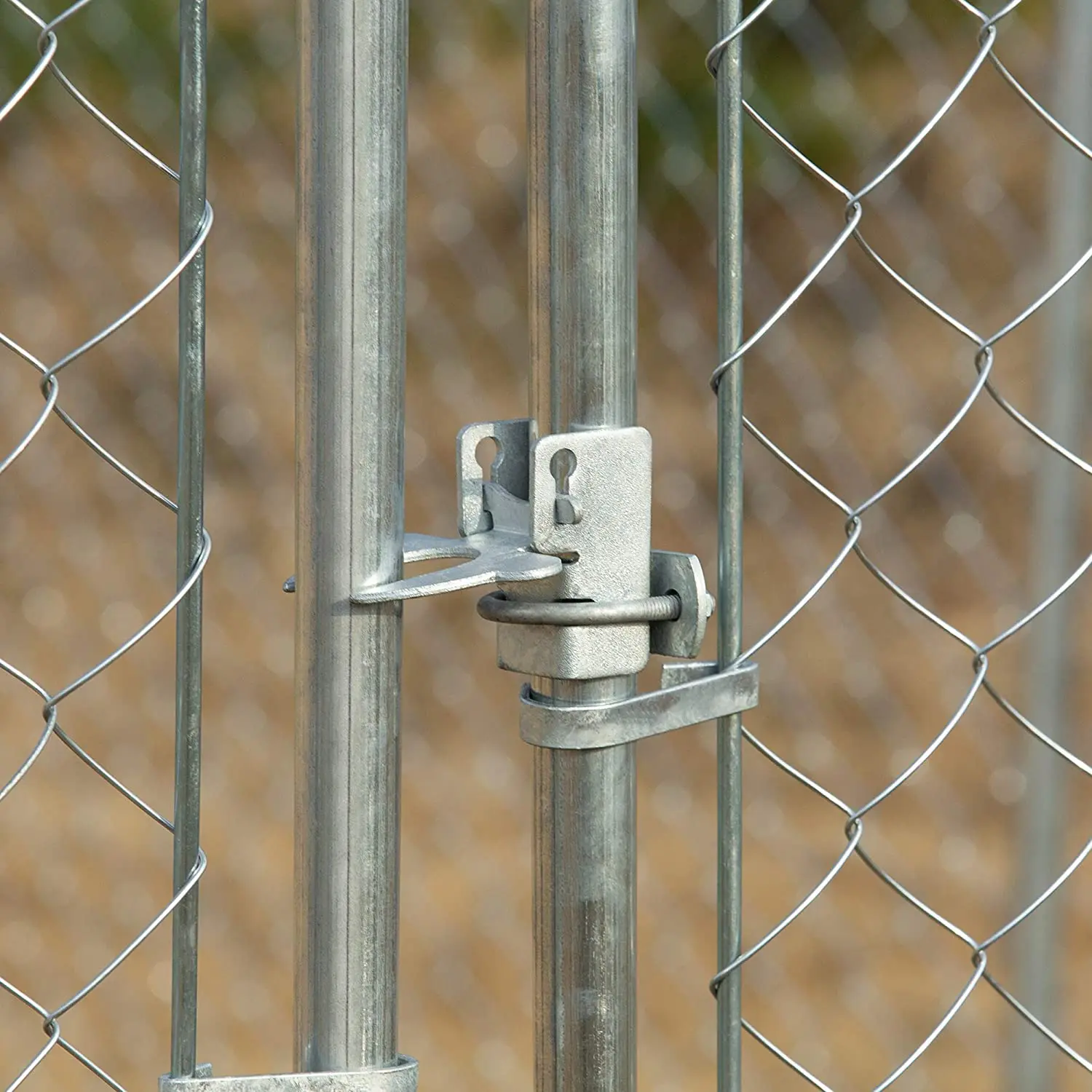
Image: Stainless steel grating providing durable and safe industrial flooring.
: Authoritativeness and Trustworthiness in Stainless Steel Grating Solutions
Our commitment to Expertise, Experience, Authoritativeness, and Trustworthiness () is foundational to our operations and product delivery. We understand that in the B2B sector, credibility is built on verifiable quality and reliable support.
Certifications and Quality Assurance:
Our manufacturing processes for stainless steel grating are governed by stringent international quality standards, including ISO 9001:2015 certified quality management systems. This ensures consistent product quality from raw material inspection through to final dispatch. All materials are sourced from reputable mills and come with Material Test Certificates (MTCs), guaranteeing chemical composition and mechanical properties. Products are designed and tested to meet or exceed relevant industry standards such as ANSI/NAAMM MBG 531-00 (Metal Bar Grating Manual) and ASTM specifications for stainless steel, assuring compliance and performance.
Years of Industry Experience and Client Partnerships:
With over two decades of specialized experience in metal fabrication and grating solutions, we have successfully partnered with leading enterprises in petrochemical, marine, municipal infrastructure, and food processing sectors globally. Our extensive portfolio of completed projects and long-standing client relationships stand as a testament to our proven track record and deep industry knowledge. We are not just suppliers; we are solution providers, offering expert consultation from initial design to post-installation support.
Customer Feedback and Service:
Feedback from our clients consistently highlights the durability and precision of our stainless steel grating products, as well as the responsiveness and technical proficiency of our support team. We pride ourselves on clear communication, transparent processes, and a proactive approach to problem-solving, ensuring project success and client satisfaction. Our commitment to continuous improvement is driven by a deep understanding of customer needs and evolving industry requirements.
Frequently Asked Questions (FAQ) about Stainless Steel Grating
Q1: What is the primary difference between 304 and 316 stainless steel grating?
A1: The main difference lies in the chemical composition. 316 stainless steel contains molybdenum (typically 2-3%), which significantly enhances its resistance to pitting and crevice corrosion, especially in chloride-rich environments like seawater or chemical processing plants. 304 stainless steel offers excellent general corrosion resistance but is less resistant to chlorides. Selection depends on the specific corrosive conditions of the application.
Q2: How is the load capacity of stainless steel grating determined?
A2: Load capacity is primarily determined by the depth and thickness of the bearing bars, their spacing (pitch), and the clear span of the grating panel. Our engineers use industry standards like ANSI/NAAMM MBG 531-00 load tables and perform structural calculations to ensure the grating meets specific live and dead load requirements for the intended application.
Q3: What are the benefits of choosing serrated stainless steel grating?
A3: Serrated grating features notches on the top edge of the bearing bars, providing superior slip resistance. This is crucial for safety in environments where surfaces may become wet, oily, greasy, or icy, such as offshore platforms, food processing areas, and outdoor walkways, significantly reducing the risk of slips and falls.
Q4: Can stainless steel grating be customized for unique project requirements?
A4: Absolutely. We specialize in customized solutions. This includes fabricating panels to precise dimensions, incorporating specific cut-outs for pipes or columns, adjusting bearing bar spacing for optimal drainage or heel-safe requirements, and engineering for unique load specifications. Our technical team works with clients to develop tailored designs.
Q5: What is the typical service life of stainless steel grating?
A5: When properly selected for its environment and maintained, high-quality stainless steel grating can have an exceptionally long service life, often exceeding 20-30 years. In less aggressive environments, it can last even longer. Its inherent corrosion resistance and durability minimize the need for frequent replacement, offering a superior life-cycle cost.
Logistics, Warranty, and Customer Support
Our commitment to our clients extends beyond delivering high-quality stainless steel grating. We provide comprehensive logistical support, robust warranty commitments, and dedicated after-sales service to ensure a seamless experience from order placement to long-term operational success.
Lead Time and Fulfillment:
Typical lead times for standard stainless steel grating products range from 2-4 weeks, depending on order volume and current production schedules. Custom fabricated orders may require 4-8 weeks, subject to complexity and design approval. We maintain efficient production lines and robust supply chain management to meet agreed-upon deadlines. Expedited services can be arranged for urgent project requirements, and global shipping is available with comprehensive documentation and customs support.
Warranty Commitments:
We stand behind the quality of our products with a comprehensive warranty against defects in materials and workmanship. The specific terms of the warranty are provided with each quotation and typically cover a period of 5 to 10 years, reflecting our confidence in the durability and performance of our heavy-duty stainless steel grating. This commitment provides our clients with peace of mind and assurance in their investment.
Customer Support Information:
Our dedicated customer support team is available to assist with all inquiries, from technical specifications and load calculations to order tracking and post-installation support. We offer:
- Technical Assistance: Expert engineers available for consultation on design, material selection, and application best practices.
- Sales & Order Processing: Responsive team for quotations, order placement, and project coordination.
- After-Sales Service: Support for installation queries, maintenance advice, and addressing any product performance concerns.
We are committed to building long-term partnerships based on reliability, quality, and exceptional service.
Conclusion
The selection of heavy-duty stainless steel grating represents a strategic investment in durability, safety, and operational efficiency across a myriad of industrial and commercial applications. As a highly engineered form of stainless steel net, it offers unparalleled corrosion resistance, high load-bearing capacity, and minimal maintenance requirements, making it an economically viable and technically superior choice for demanding environments. By understanding its intricate manufacturing processes, detailed technical specifications, and diverse application benefits, decision-makers can confidently specify and procure solutions that not only meet but exceed performance expectations.
The future outlook for stainless steel grating remains strong, driven by continued global industrial growth and an increasing emphasis on sustainable, long-life assets. As industries evolve, the adaptability and inherent advantages of stainless steel solutions will continue to position them at the forefront of robust and reliable infrastructure development.
References
- American Society for Testing and Materials (ASTM) Standards.
- National Association of Architectural Metal Manufacturers (NAAMM) Metal Bar Grating Manual (MBG 531-00).
- International Organization for Standardization (ISO) 9001:2015.
- Occupational Safety and Health Administration (OSHA) Standards.
- ASM International, Handbook Volume 1: Properties and Selection: Irons, Steels, and High-Performance Alloys.