
Choosing the Right Wire for Gabion Wall: A Professional Guide
When constructing retaining walls, erosion control systems, or decorative landscapes, the structural integrity of the project depends heavily on the quality of the materials used. The wire for gabion wall serves as the critical skeletal framework that holds heavy stones in place, resisting the immense lateral pressure of the earth and water. Selecting the wrong wire can lead to premature corrosion, cage deformation, and eventual wall failure. In this comprehensive guide, we will explore the technical specifications, coating options, and industry standards to ensure your infrastructure remains stable for decades. Understanding the nuances of wire gauge and coating is the first step toward a successful engineering project.

Essential Materials for High-Performance Gabion Wire
The base material for any high-quality wire for gabion wall is typically low-carbon steel. However, raw steel is highly susceptible to oxidation. To combat this, various coatings are applied based on the environment. For inland projects with low moisture, galvanized steel is often sufficient. In contrast, projects located near coastlines or in acidic soil require a double-layered defense. This usually involves a layer of zinc galvanization followed by a PVC or PVDF coating, which provides a physical barrier against saltwater and chemicals. Selecting the correct coating is not just about aesthetics; it is about ensuring the lifespan of the structure.
Pro Tip: Always check the zinc coating weight (grams per square meter). A higher zinc content directly correlates to a longer time before the first sign of rust appears on the gabion baskets.
Comparing Coating Options for Wire for Gabion Wall
Depending on the environmental stressors, engineers must choose between different protective layers. Galvanized wire offers excellent strength and a professional metallic look, while PVC-coated wire provides superior chemical resistance and the ability to blend into the natural environment. For those utilizing wire for gabion wall in extreme marine conditions, the combination of Galfan (Zn-Al alloy) and polymer coatings is the gold standard. Below is a detailed comparison to help you decide which material fits your specific site requirements.
Technical Specifications of Gabion Wire Mesh
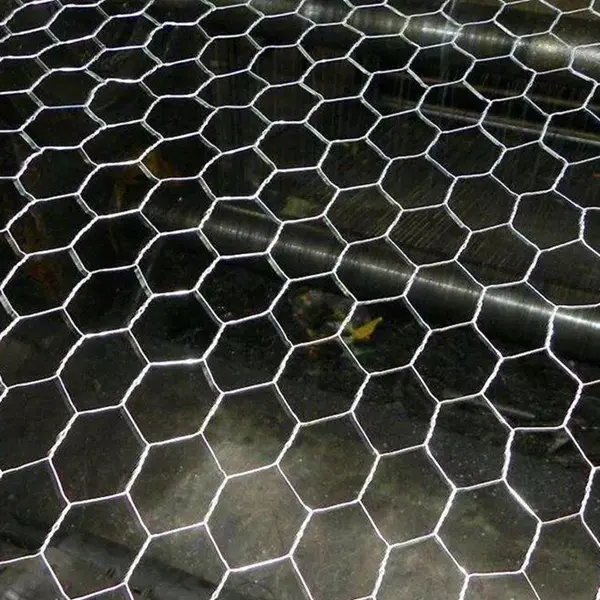
The strength of a gabion wall is not just about the thickness of the wire, but also the weave pattern. Most wire for gabion wall is manufactured using a double-twisted hexagonal mesh. This specific design ensures that if a single wire is cut or broken, the rest of the mesh remains intact, preventing the "unraveling" effect common in welded meshes. The wire diameter usually ranges from 2.7mm to 4.0mm, depending on the load-bearing requirements of the project. Proper mesh sizing is crucial to ensure that the infill stones are securely contained while allowing water to pass through freely.

Installation Best Practices for Wire for Gabion Wall
Even the highest quality wire for gabion wall can fail if installation is neglected. The first step is the proper unfolding of the baskets and securing the edges with high-tensile binding wire. To prevent the "bulging" effect, internal diaphragms should be installed at regular intervals. These diaphragms act as internal supports, distributing the pressure of the stones evenly across the wall. Furthermore, filling the baskets in layers and manually tamping the stones ensures maximum density and stability, reducing the risk of the wire stretching under load.
Industry Standard Product Specifications
To help procurement managers and engineers, we have outlined the standard product specifications for common gabion wire applications. When ordering from fencingwiremesh.com, it is important to specify the mesh opening size and the wire diameter to match the size of your filling stone. A general rule of thumb is that the stone size should be at least 1.5 to 2 times larger than the mesh opening to prevent leakage.
Environmental Impact and Sustainability
One of the greatest advantages of using wire for gabion wall is its ecological friendliness. Unlike solid concrete walls, gabion structures are permeable, allowing water to drain naturally and reducing the risk of hydrostatic pressure buildup. Furthermore, the voids in the mesh often become habitats for local flora and fauna, promoting biodiversity. By using recyclable steel and non-toxic PVC coatings, modern gabion walls contribute to sustainable civil engineering practices, reducing the overall carbon footprint of infrastructure projects.
Conclusion: Building for the Future with Quality Wire
Investing in high-grade wire for gabion wall is the only way to guarantee the long-term stability of your retaining structures. Whether you prioritize the raw strength of galvanized steel or the extreme durability of PVC-coated Galfan, the quality of the wire is the foundation of your project's success. By adhering to technical standards and proper installation methods, you can create structures that are not only functional and strong but also environmentally responsible. Choose quality, choose durability, and secure your landscape for generations to come.
Frequently Asked Questions (FAQs)
What is the difference between welded mesh and double-twisted mesh for gabions?
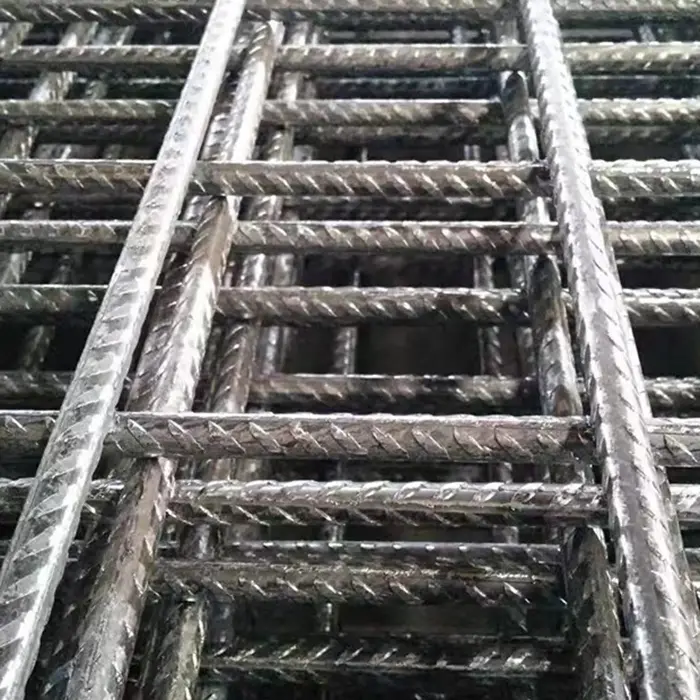
The primary difference lies in structural flexibility and failure risk. Welded mesh is rigid and offers a very clean, geometric look, but if one weld point fails or the wire is cut, the stress is concentrated, which can lead to a "zipper effect" where the cage opens up. Double-twisted mesh, the standard wire for gabion wall, is woven in a way that the wires lock into each other. If a wire is severed, the twist prevents the break from spreading, making it far more reliable for heavy-duty civil engineering and erosion control projects.
How do I determine the correct wire diameter for my project?
Wire diameter selection depends on the height of the wall and the weight of the fill material. For small decorative garden walls (under 1 meter), 2.7mm wire is usually sufficient. For structural retaining walls or riverbank protection where the wall exceeds 2 meters in height, we recommend 3.0mm or 4.0mm wire to withstand the increased lateral pressure. Always consult with a structural engineer to ensure the wire gauge meets local building codes and the specific load requirements of your site.
Why is PVC coating recommended for riverbank applications?
Riverbanks expose the wire for gabion wall to constant moisture, varying pH levels in the water, and abrasive forces from floating debris. While galvanized wire provides basic protection, PVC (Polyvinyl Chloride) creates an impermeable plastic shell around the zinc layer. This prevents oxygen and water from reaching the steel core, effectively stopping corrosion. Additionally, PVC can be colored green or grey to blend in with the riverine environment, reducing the visual impact of the engineering work.
Can I use any stone to fill my gabion baskets?
While many stones work, the best choice is hard, durable, non-weathering rock such as granite, basalt, or limestone. Avoid using soft stones like sandstone or shale, as they can break down over time, leading to settlement and deformation of the wire mesh. The stone size must be compatible with the mesh opening; if the stones are too small, they will leak through the gaps; if they are too large, you will have too many voids, which reduces the overall stability and strength of the wall.