
Highway Bridge Cold-Rolled Ribbed Mesh: What Matters Now
If you’re sourcing reinforcement wire for bridge decks or viaducts, the story is changing—quietly but decisively. Cold-rolled ribbed mesh from Anping (No.12, Jingsan Road, Anping County, Hengshui City, Hebei Province, China) is showing up on spec sheets more often, largely because it balances stiffness and workable flexibility. In plain speak: it stays put in concrete, but crews can handle it without the usual wrestling match.
Industry trends I’m seeing
Contractors want faster deck pours and fewer laps. Pre-welded, ribbed mesh answers that. Designers also push for predictable bond behavior, especially where traffic-induced vibration is brutal. In fact, many customers say the uniform spacing and rib geometry deliver steadier crack control than loose bars. And yes, sustainability matters—less waste, around 5–10% cut in off-cuts, depending on panel planning.
Product snapshot (real-world use may vary)
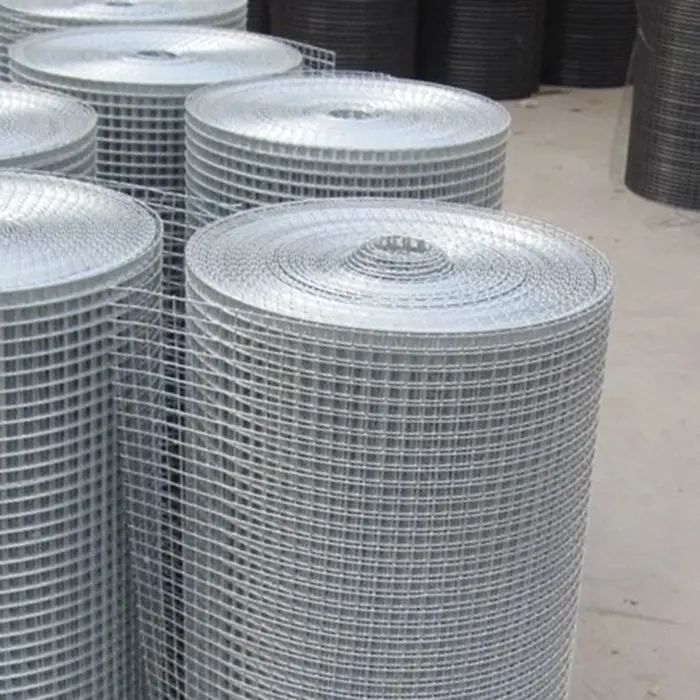
| Name | Highway Bridge Cold-Rolled Ribbed Reinforcement Mesh |
| Base material | Low-carbon, high-quality steel wire (≈ Q235/Q195 or per project spec) |
| Wire diameter | ≈ 4–12 mm (customizable) |
| Mesh spacing | Common 100×100, 150×150, 200×200 mm; custom layouts available |
| Mechanical performance | Yield ≈ 500 MPa; tensile ≈ 550–600 MPa; elongation ≥ 8% (typical) |
| Surface | Cold-rolled ribs for enhanced bond; black or epoxy-coated options for corrosive zones |
| Standards | ASTM A1064, BS 4483, EN 10080; testing to ISO 15630 series |
Process flow (and why it matters)
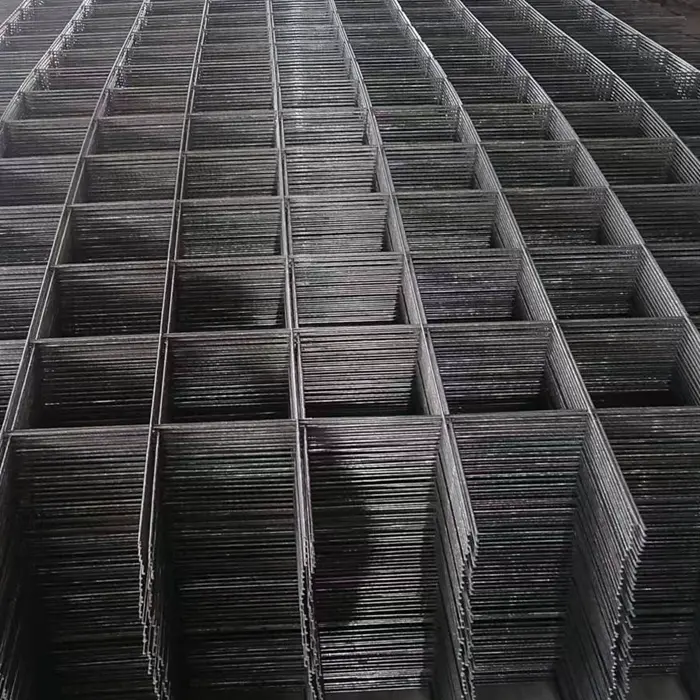
Materials: low-carbon steel wire with consistent chemistry. Methods: cold rolling to form ribs, precision welding for intersection integrity, optional stress-relief, and, where specified, epoxy coating. Testing: tensile/yield, bend/rebend, weld shear, rib geometry and spacing checks—per ASTM A1064/BS 4483 and ISO 15630 protocols. Service life: around 50–100 years with adequate cover and exposure class control (chlorides, freeze-thaw). The mesh’s rigidity means bars won’t kink locally during pouring—a small detail, big finish quality.
Where it’s used
Highway bridges and elevated viaducts, approach slabs, tunnel linings, precast panels, culverts, pavements, and even airport aprons. Crews like the time savings; inspectors like the uniformity. I guess that’s the sweet spot.
Field notes and test data
Recent lab runs showed average yield ≈ 510 MPa and weld performance meeting code requirements. On a 2023 bridge deck package (Southeast Asia, coastal), contractor-reported numbers suggested ≈ 18% faster placement and noticeably cleaner cover control. To be honest, site practices vary—but the direction of travel is consistent.
Customization options
- Panel size and mesh spacing to drawings (deck geometry, lap strategy)
- Wire diameter/grade aligned with design loads
- Epoxy coating for de-icing salt exposure; black for standard interiors
- Packaging and labeling for on-site sequencing
How it stacks up (typical marketplace snapshot)
| Vendor | Lead Time | Certifications | Customization | Notes |
|---|---|---|---|---|
| Anping specialist (this product) | ≈ 10–20 days | ISO 9001; test per ASTM/BS/EN | High—mesh plan, coating, labels | Strong deck focus; stable quality |
| Domestic mill (generic) | ≈ 15–30 days | Mill certificates; variable audits | Medium | Price-driven; check weld maps |
| Importer/reseller | Stock or 4–8 weeks | Mixed paperwork | Low–Medium | Convenient, but spec diligence needed |
Why choose it
The ribbed cold-rolled profile gives better bond; the welded grid locks spacing; and the material’s inherent elasticity helps during handling. Many site managers tell me panels “just sit right.” That’s the quiet advantage of reinforcement wire done well.
Certs and compliance
Factory ISO 9001, third-party material tests on request, compliance to ASTM A1064, BS 4483, EN 10080, and design alignment with ACI 318/Eurocode 2 where applicable.
Customer feedback (recent)
“Panels arrived squared and flat; rework basically nil.” Another note I liked: “Lap planning with shop drawings saved a day on the second pour.” Not scientific, but it tracks with what I’ve seen.
- ASTM A1064/A1064M – Standard Specification for Steel Welded Wire Reinforcement, Deformed and Plain, for Concrete: https://www.astm.org/a1064_a1064m-18.html
- BS 4483 – Steel fabric for the reinforcement of concrete: https://knowledge.bsigroup.com/
- ISO 15630-2 – Steel for the reinforcement and prestressing of concrete – Test methods: https://www.iso.org/standard/61363.html
- ACI 318 – Building Code Requirements for Structural Concrete: https://www.concrete.org/store/productdetail.aspx?ItemID=31819
- EN 10080 – Steel for the reinforcement of concrete: https://standards.cen.eu/