
Material Selection Guide for Shale Shaker Screen Wire Options
Shale shaker screen replacement schedules dictate operating margins in oil and gas drilling operations where consumable burn rates directly impact bottom-line profitability. Downhole formations generate severe abrasive wear, while drilling mud chemistry attacks metallic filter components, turning screen selection into a high-stakes engineering balance. Procurement engineers and drilling fluid supervisors face constant pressure to reduce expenditure without risking catastrophic solid-control failures.
This technical guide establishes a rigorous decision-making framework centered on wire material selection across low carbon steel wire, high manganese steel wire, and stainless steel wire. Operational parameters require evaluating environmental corrosivity and mechanical impact forces before issuing purchase orders.
Material choices cannot rely on assumptions when handling diverse water-based and synthetic-oil-based mud systems. Subsequent sections detail the trade-offs between initial procurement expenditure and premature blinding risks across industrial screening, filtration, dehydration, and desliming operations.
Core Wire Material Options for Shale Shaker Screens
Procuring replacement panels for vibrating shale shaker equipment requires evaluating three foundational metallic alternatives supplied by Chinese manufacturing facilities. Procurement engineers balance initial consumable expenditure against long-term operational durability when selecting among these variants for diverse processing environments.
Baseline physical and economic characteristics differ across each metallic category without relying on unverified alloy grades or exact chemical percentages. Low carbon steel wire provides an economical entry point for cost-sensitive operations, whereas high manganese steel wire delivers increased mechanical resilience under heavy impact conditions. Stainless steel wire offers inherent corrosion resistance in aggressive environments, though higher upfront material costs dictate careful financial planning.
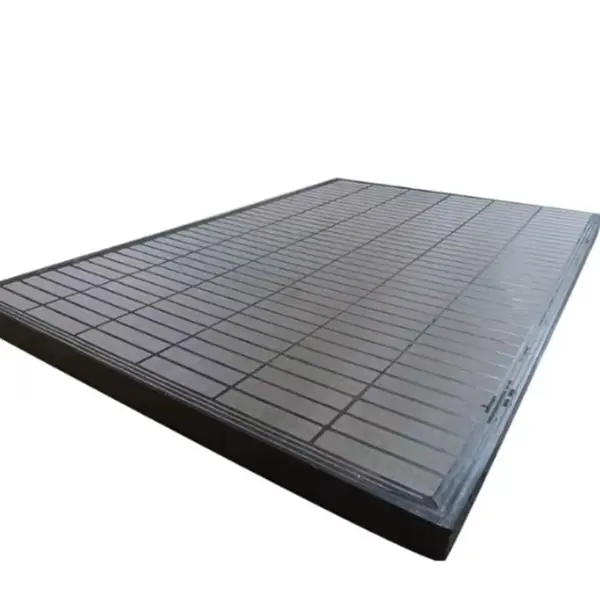
Comparative Material Metrics
| Material | Application | Price Tier | Suitability for Humid Environments |
|---|---|---|---|
| Low carbon steel wire | Screening, filtration, dehydration, desliming and other operations in many industries | Low | To be confirmed with the supplier |
| High manganese steel wire | Screening, filtration, dehydration, desliming and other operations in many industries | Moderate | To be confirmed with the supplier |
| Stainless steel wire | Screening, filtration, dehydration, desliming and other operations in many industries | High | Suitable |
Material selection governs the foundational ratio between upfront purchasing outlays and unexpected downtime caused by premature mesh degradation. Sourcing strategies must weigh mechanical impact resistance against environmental exposure limits for every active drilling project. Procurement personnel evaluate batch-specific documentation directly with the factory before issuing purchase orders.
Matching Mud Chemistry and Environmental Corrosivity
Fluid Phase Interactions and Surface Degradation
Aqueous mud environments introduce continuous moisture directly to the mesh interface, accelerating electrochemical surface degradation across unprotected metallic strands. In contrast, heavy hydrocarbon-based drilling fluids coat the wire in a viscous boundary film, shifting dominant operational stresses from chemical oxidation to persistent mechanical friction.
Operating temperature fluctuations within active wells further alter degradation rates for vulnerable screen components. Engineering teams evaluating metallic options must weigh these fluid interactions against expected service intervals in corrosive wellbores.
Preventing Blinding During Mud Transitions
Switching fluid formulations within the same wellbore profile increases the risk of premature screen blinding when aperture geometries become choked by residue. Neutral muds allow stable performance, whereas acidic downhole conditions strip passive layers and induce rapid corrosion on susceptible mesh strands.
Continuous mechanical impact during heavy-duty operations requires robust structural resilience regardless of the circulating fluid phase. Factoring chemical aggressiveness into initial procurement criteria prevents unexpected consumable failures and reduces downtime across challenging drilling programs.
Addressing Operational Wear Modes and Abrasion
Evaluating Mechanical Fatigue and Oxidation
High-G mechanical force accelerates wire mesh degradation when drilling formations release jagged rock fragments directly onto vibrating screen panels. Mechanical fatigue combined with localized chemical oxidation rapidly compromises mesh integrity without proper metallic selection.
Drilled cuttings strike the upper filtration layers continuously, creating localized high-velocity impacts that induce wire thinning and eventual aperture enlargement. Without resilient structural options, the kinetic energy from abrasive solids fractures the woven structure prematurely.
Assessing Cyclic Loading and Stressors
Continuous cyclic loading on shaker units causes metal fatigue at the crossover points of the woven wires, leading to snapped filaments. Simultaneously, reactive mud components induce chemical oxidation on exposed metallic surfaces, accelerating material loss in damp operational settings. Procurement teams evaluate geological formation data to determine whether low carbon steel wire, high manganese steel wire, or stainless steel wire best resists these combined stressors based on destination port requirements and minimum order quantities.
Geological Formation Impacts
Hard formations require wire configurations with superior work hardening capabilities under continuous dynamic impact. Softer formations place less mechanical demand on the mesh, shifting the primary degradation vector toward fluid-induced corrosion. Factoring these geological variables directly into procurement criteria prevents unexpected structural failures during active drilling campaigns.
Balancing Initial Expenditure Against Consumable Lifespan
Financial Impacts of Mesh Blinding on Drilling Budgets
Low upfront procurement expenditure for filtering media frequently generates hidden operational expenses when particulate accumulation triggers premature blinding. Procurement teams evaluating factory price lists often overlook the financial fallout of unexpected rig downtime caused by restricted fluid throughput. When panels clog prematurely, drilling fluid losses mount rapidly alongside labor costs incurred during unplanned changeouts.
Rig crews mitigate fluid loss and equipment idle time by factoring total lifecycle value into purchasing decisions instead of relying on initial transactional pricing alone. Calculating real expenses requires balancing consumable durability against mud property retention across specific wellbore trajectories. Shifting focus from initial transactional savings to sustained operational efficiency prevents minor mesh selection errors from compounding into major budgetary overruns during active drilling campaigns.
| material | Price Tier | application | Suitability for Humid Environments |
|---|---|---|---|
| low carbon steel wire | Budget-friendly | screening, filtration, dehydration, desliming and other operations in many industries | Requires protective coating or specific moisture control depending on the destination port |
| high manganese steel wire | Mid-range | screening, filtration, dehydration, desliming and other operations in many industries | Depends on operational exposure levels and chemical aggressiveness |
| stainless steel wire | Premium | screening, filtration, dehydration, desliming and other operations in many industries | Naturally suited for aggressive environments without auxiliary coatings |
Economic Decision-Making Criteria for Procurement Teams
Purchasing managers balancing tight operational budgets must weigh unit purchase prices against expected replacement intervals under harsh downhole conditions. Choosing a cheaper wire material upfront can backfire if rapid chemical oxidation or wear forces frequent changeouts that outpace initial savings. Total cost of ownership calculations account for rig downtime, labor charges, and replacement screen volume over the course of an entire drilling program.
Broad Industrial Applications Beyond Oil Drilling
Mapping Industrial Separation Sectors Beyond Oilfields
General manufacturing and processing sectors deploy woven wire mesh panels across multiple stages of liquid-solid separation. Processing plants rely on these metallic screens to handle bulk raw materials in chemical production, aggregate grading, and wastewater treatment.
Screening and filtration efficiency in these secondary sectors depends on accurate aperture sizing and proper wire selection. Industrial facilities process diverse slurry volumes without relying on specialized downhole drilling parameters.
Contrasting Industrial and Drilling Demands
Dehydration and desliming operations in general manufacturing face continuous moisture exposure and varying solid loads that differ from the high-velocity impacts of oilfield drilling. General industrial filtration tasks prioritize consistent particle retention over the severe mechanical shock loads encountered by oil drilling fluid vibrating screens.
Procurement teams evaluate wire mesh versatility based on target output purity and slurry viscosity. Depending on the specific processing environment and targeted particle cut point, operational parameters shift between high-volume fluid drainage and fine particle retention across various liquid-solid separation environments.
Procurement Strategy for Shale Shaker Screen Replacements
Purchasing Strategy for Industrial Screen Replacements
Combining operational data with local environmental severity ensures that replacement decisions avoid premature panel failure. Geological wear rates, fluid pH levels, and transport logistics jointly determine whether low carbon steel wire, high manganese steel wire, or stainless steel wire best serves the target separation circuit.
Factory specification sheets require systematic evaluation before purchase orders leave the procurement desk.
Key Evaluation Criteria for Factory Sourcing
Assessment begins by verifying that the wire mesh construction matches the intended liquid-solid separation duty without assuming universal compatibility across different geological formations. Sourcing teams review dimensional tolerances and aperture uniformity using inspection imagery provided by the manufacturer.
Documentation and Compliance Factors
Compliance verification depends heavily on destination port regulations and regional import requirements. Because regulatory frameworks vary significantly by jurisdiction, purchasing managers must request the latest validation files directly from the manufacturing partner prior to dispatch.
Final purchasing terms and lead times vary depending on order volume, material grades, and destination port requirements.
Frequently Asked Questions
High manganese steel wire offers specialized mechanical resilience when continuous particle impact from abrasive geological formations strikes the screen surface. Its structural composition hardens dynamically under high-velocity shock loads, making it suitable for demanding downhole environments. Procurement decisions regarding this grade depend on the specific severity of the abrasive wear profile generated by the target rock formations.
Stainless steel wire is selected when operational environments involve aggressive chemical conditions and persistent fluid corrosivity. Although its upfront material cost is higher than carbon variants, it resists chemical oxidation over extended filtration cycles. Procurement engineers weigh this higher initial expenditure against the reduction in rig downtime and lower overall replacement frequencies.
Water-based and synthetic-oil-based drilling mud systems subject wire components to varying degrees of chemical oxidation and fluid interaction. Corrosive drilling fluids can accelerate mesh degradation if the chosen metal lacks adequate resistance to the circulating chemistry. Selecting the appropriate wire option requires aligning material corrosion profiles with the specific chemical aggressiveness of the mud system in use.
Geological formations generate vastly different mechanical fatigue and abrasive wear patterns that cannot be addressed by a single wire grade. Deploying a uniform material across abrasive and non-abrasive wells often results in rapid mesh breakdown and unexpected operational downtime. Purchasing strategies must account for formation variability by selecting wire materials tailored to specific downhole conditions.
Purchasing managers audit active drilling mud chemistry, assess downhole wear profiles, and review factory specifications prior to finalizing purchase orders. Consumable replenishment volumes depend on the projected replacement frequency and operational budget constraints. Buyers request the latest factory documentation to verify material grades before authorizing large-scale screen panel production.
Conclusion
Strategic purchasing relies entirely on matching metallic mesh construction directly to wellbore chemistry and geological formation abrasiveness. Long-term consumable performance is determined by how accurately operational teams evaluate mud weight and fluid temperature before finalizing acquisition volumes.
Purchasing managers must audit active fluid loops and request customized evaluation panels from the factory to verify compatibility prior to bulk dispatch. Minimum order quantities and destination ports dictate final landed expenses for these consumable components, with timelines varying depending on the specific port of destination.