
Chain Link Fence Price Per Foot: A Comprehensive Guide
When planning a fencing project, understanding the chain link fence price per foot is crucial for budgeting and making informed decisions. Several factors influence the cost, from the gauge and height of the fence to the type of posts and finishing options. This article will delve into a detailed breakdown of these costs, providing a clear understanding of what to expect. We'll explore different price points and provide information to help you obtain the best value for your investment. Proper planning and understanding these costs will ensure a successful and cost-effective fencing solution.
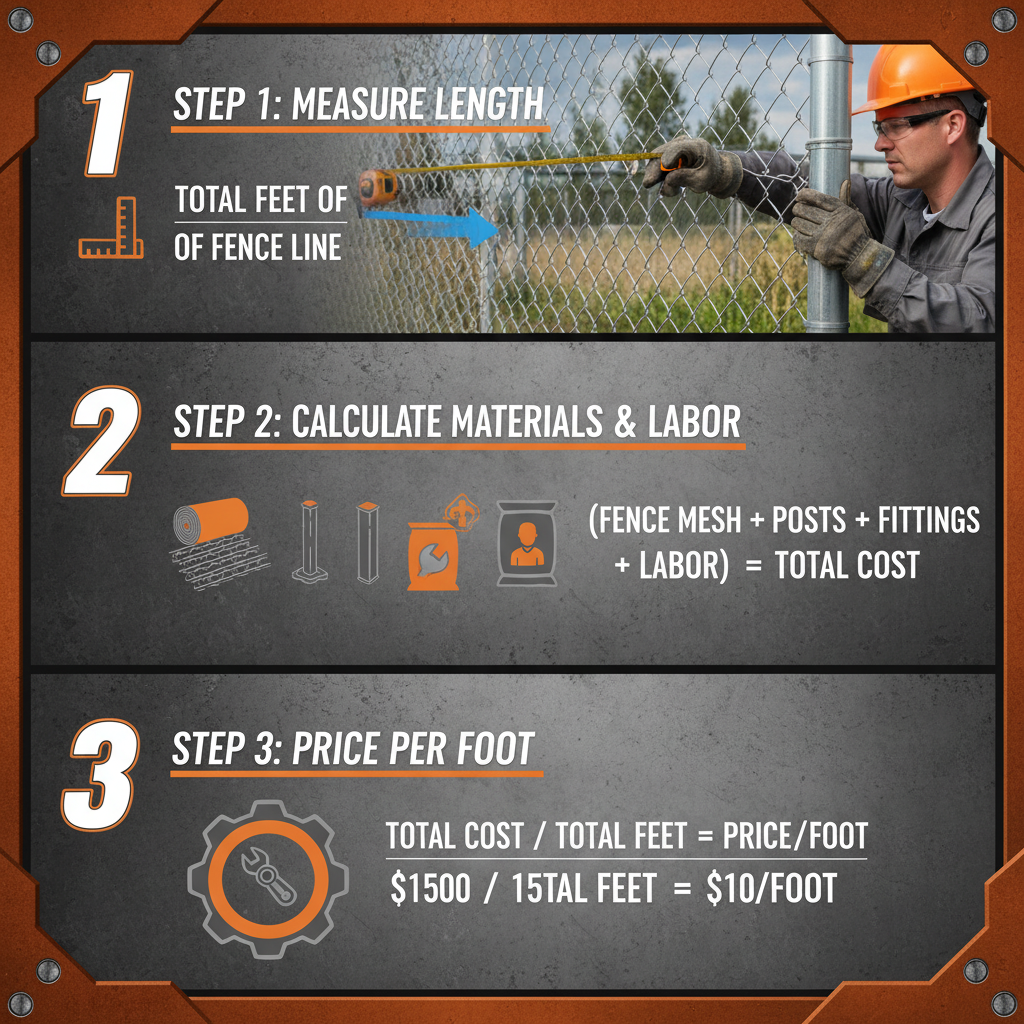
Factors Influencing Chain Link Fence Costs
The price of a chain link fence is influenced by several key elements. The most significant is the gauge of the wire. Lower gauge numbers indicate thicker, more durable wire, and consequently, a higher price. Fence height is another major factor – taller fences require more materials and labor. Post type and spacing also contribute, with heavier-duty posts and closer spacing increasing costs. Finally, finishing options, such as galvanized, vinyl-coated, or powder-coated, will affect the final price. Labor costs vary geographically, so obtaining local quotes is essential.
Key Considerations: Gauge of wire, fence height, post type and spacing, finishing options, and labor costs all play a role in determining the overall price of a chain link fence.
Chain Link Fence Price Per Foot: Breakdown by Material
Let's break down the costs associated with the different components of a chain link fence. These prices are approximate and can vary based on location, supplier, and quantity purchased. It's always best to get multiple quotes from local suppliers. Remember, these are estimates per foot and don’t include labor.
Chain Link Fence Price Per Foot: Cost Comparison
To further illustrate the cost variations, consider the following scenarios. These assume a standard 6-foot tall fence with line posts spaced 10 feet apart. Labor costs are not included in these totals.
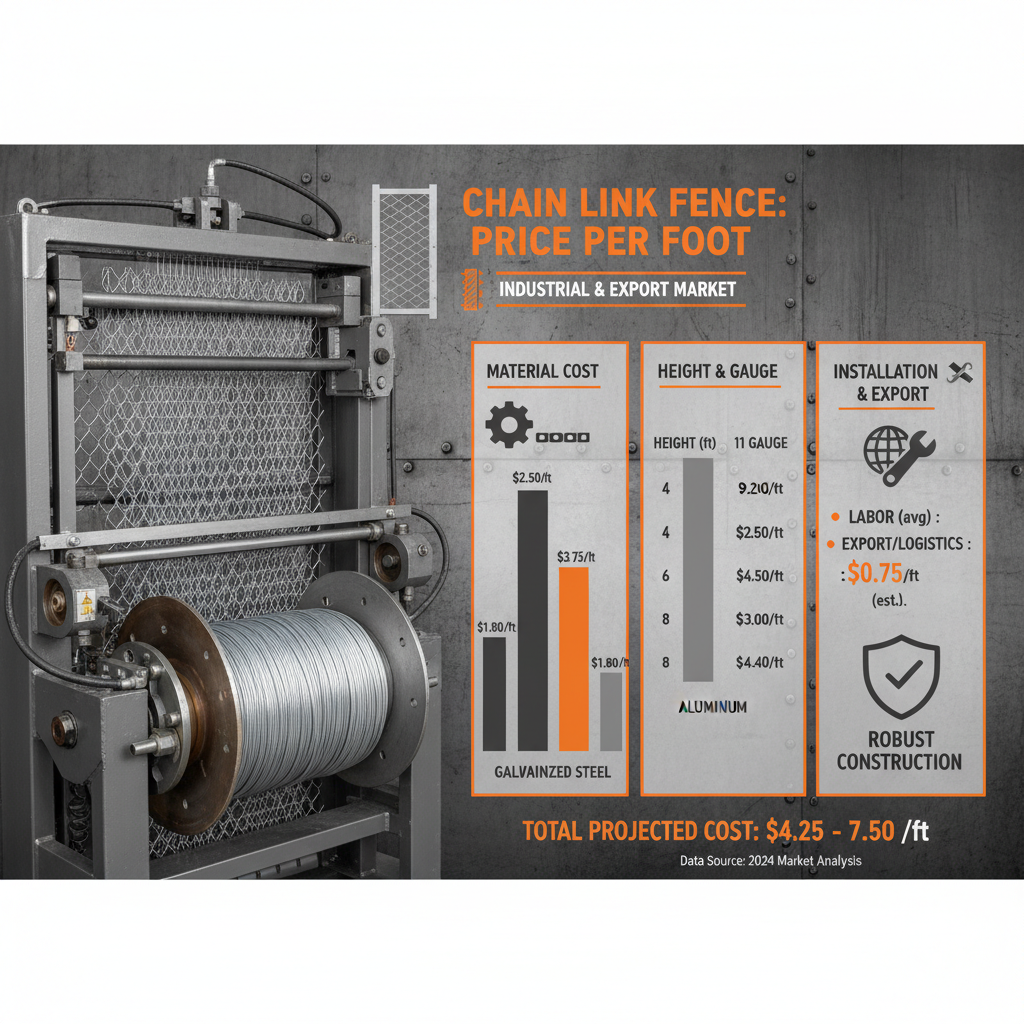
Vinyl Coated vs. Galvanized Chain Link Fence
A common choice is between galvanized and vinyl-coated chain link. Galvanized chain link is less expensive, offering a basic level of rust protection. However, it can still rust over time, especially in harsh climates. Vinyl-coated chain link is more expensive upfront but provides superior rust resistance and a more aesthetically pleasing appearance. The extra cost can be worthwhile for long-term durability and minimal maintenance.
Labor Costs and Installation Considerations
Labor costs can significantly impact the total project cost. Professional installation typically adds $3-$8 per foot, depending on the complexity of the terrain, accessibility, and local labor rates. Factors like gate installation, clearing vegetation, and dealing with underground utilities can also increase labor costs. If you're considering DIY installation, ensure you have the necessary tools, skills, and understanding of local building codes.
Conclusion: Budgeting for Your Chain Link Fence
Accurately estimating the chain link fence price per foot requires careful consideration of all the factors discussed. By understanding the influence of wire gauge, height, materials, and labor, you can create a realistic budget and ensure a successful fencing project. Don’t hesitate to get multiple quotes and compare options to find the best value for your needs. Remember that investing in quality materials and professional installation can save you money in the long run by reducing maintenance and increasing the lifespan of your fence.
Frequently Asked Questions (FAQs)
What is the typical lifespan of a chain link fence?
The lifespan of a chain link fence largely depends on the material and climate. A galvanized steel chain link fence can last 10-20 years with proper maintenance. Vinyl-coated chain link fences, due to their superior rust resistance, can easily last 20-30 years or more. Regular inspections and minor repairs, such as replacing damaged sections of fabric or tightening tension bands, can extend the fence's lifespan. Harsh weather conditions, such as coastal salt air, can accelerate corrosion and reduce lifespan.
How can I reduce the cost of a chain link fence?
Several strategies can help lower the cost. Choosing a lower gauge wire (11.5 gauge instead of 9 gauge) can reduce material costs, although it will compromise some durability. Consider opting for galvanized instead of vinyl-coated chain link. DIY installation can save on labor, but only if you have the necessary skills and tools. Comparing quotes from multiple suppliers and negotiating prices can also lead to savings. Simplifying the fence layout and minimizing gate openings can further reduce costs.
What are the benefits of vinyl-coated chain link over galvanized?
Vinyl coating provides significantly better corrosion resistance than galvanization, extending the fence’s lifespan. It also offers a more aesthetically pleasing appearance, as vinyl comes in a variety of colors. While more expensive upfront, the reduced maintenance and longer lifespan often make vinyl-coated chain link a more cost-effective option in the long run, especially in corrosive environments. It also reduces the risk of sharp edges from rust.
Do I need a permit to install a chain link fence?
Permit requirements for fence installation vary by location. It’s essential to check with your local city or county planning department to determine if a permit is required. Factors influencing permit requirements include fence height, location (property lines, easements), and proximity to neighbors. Failing to obtain the necessary permits can result in fines or the requirement to remove the fence.