
Understanding the 6 Chain Link Fence Cost
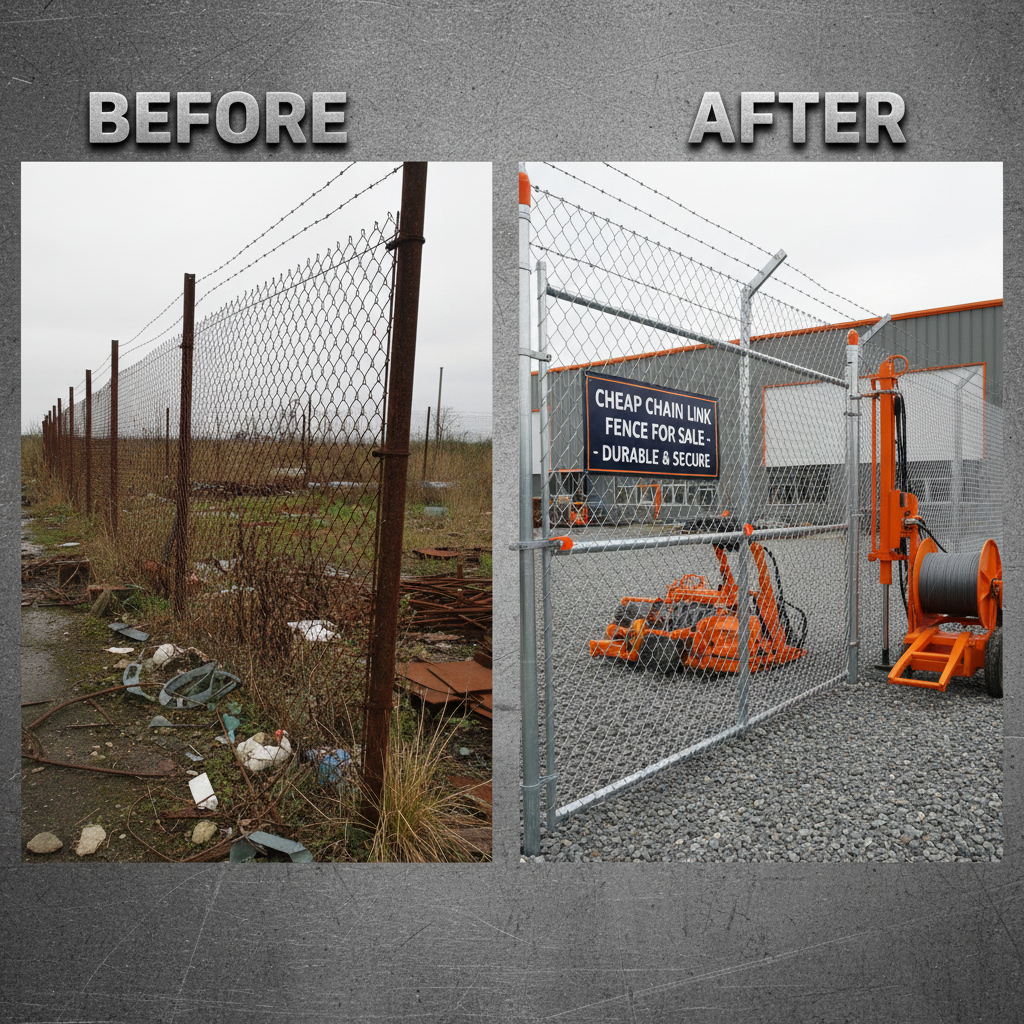
Chain link fencing is a practical and cost-effective solution for security and containment. Determining the 6 chain link fence cost involves considering various factors, including materials, height, and installation complexity. This article breaks down these costs, providing you with a comprehensive guide to budgeting for your fencing project. We’ll cover material options, labor costs, and potential additional expenses to help you make informed decisions. Understanding these elements will empower you to get the best value for your investment.
Factors Influencing the 6 Chain Link Fence Cost
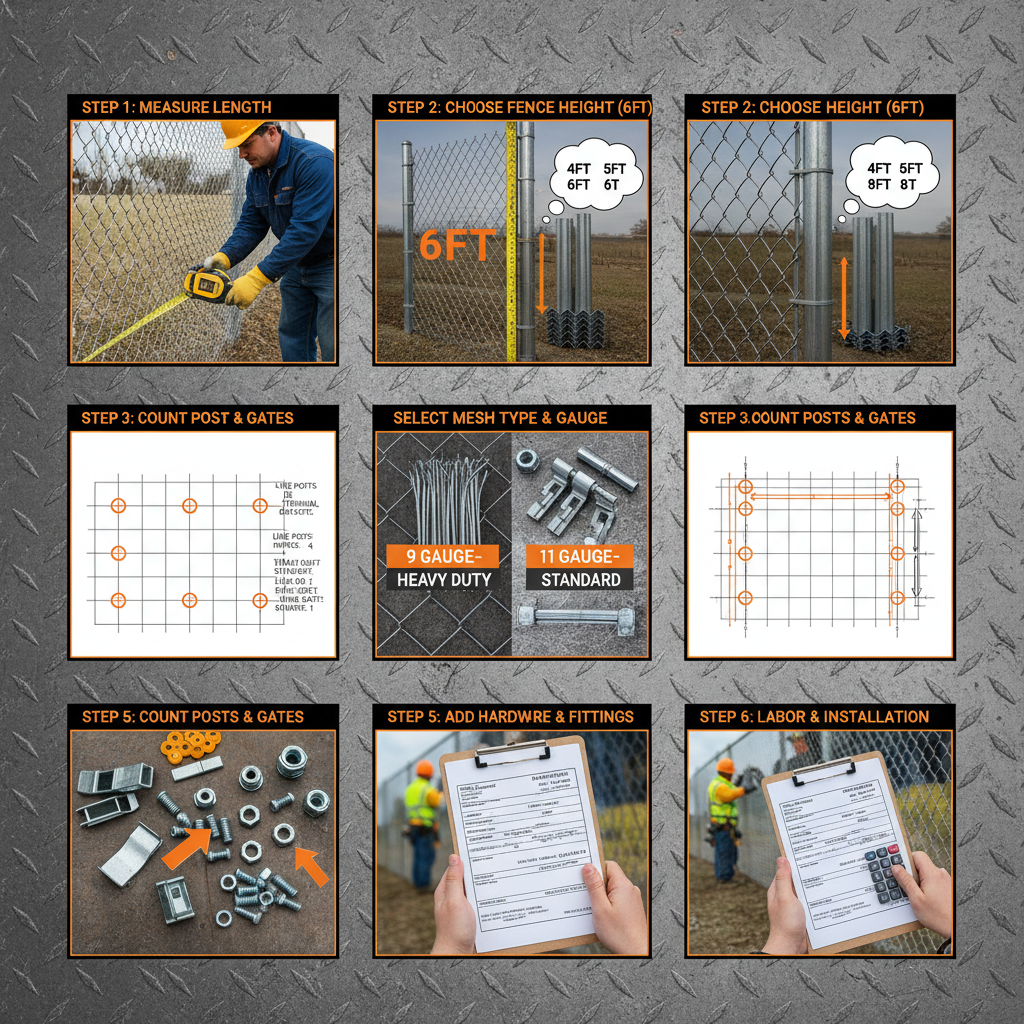
Several key factors influence the overall cost of a 6-foot chain link fence. The most significant is the gauge (thickness) of the wire used. Thicker wire is more durable and expensive. Post material (steel or aluminum) also plays a role, with aluminum generally being more costly upfront but offering greater corrosion resistance. The terrain of your property impacts labor costs – rocky or uneven ground requires more preparation. Finally, gate additions, specialized fittings, and professional installation contribute to the total expense. Choosing quality materials and a reputable installer will impact the longevity and overall value of your fence.
Key Highlights: The gauge of wire, post material, and terrain complexity are major determinants of cost. Professional installation and gate additions add to the total expense.
Material Breakdown: Chain Link Fence Components and Costs
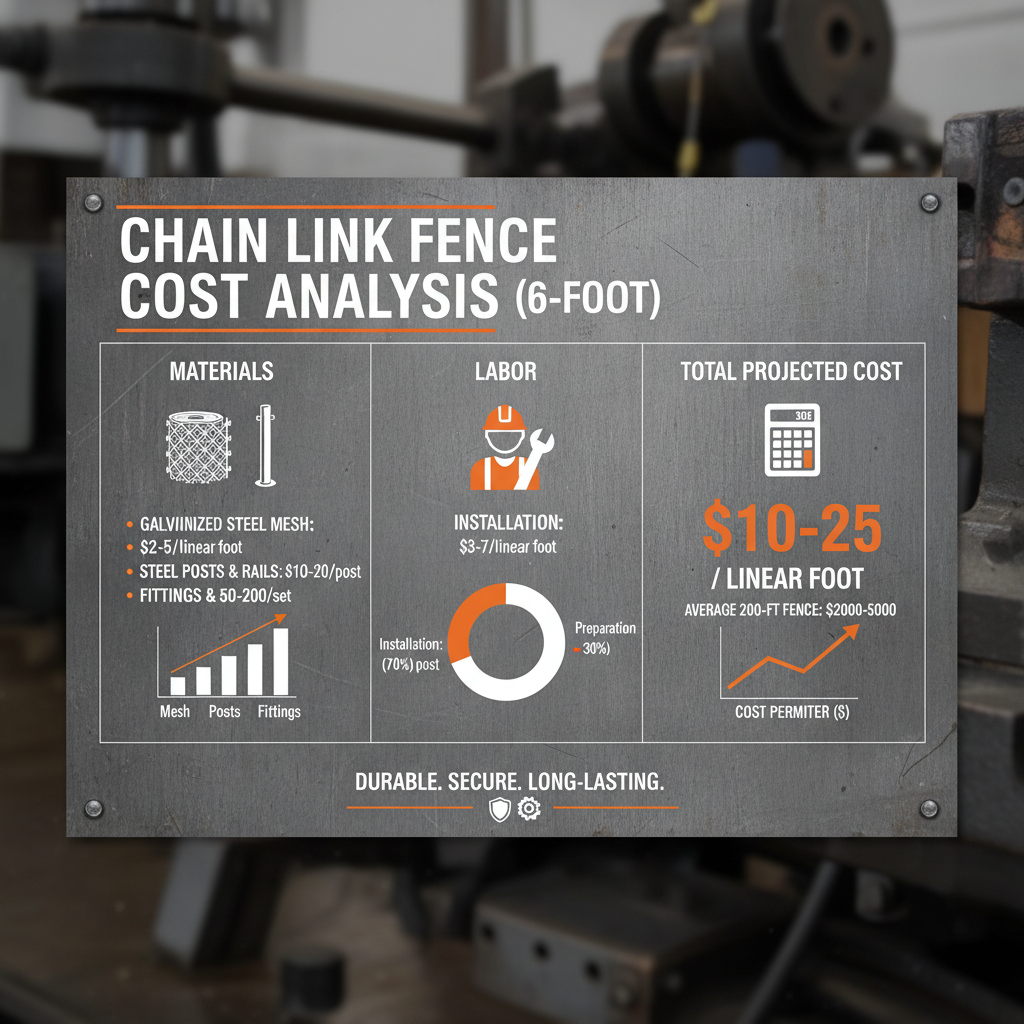
The cost of a 6 chain link fence is heavily influenced by the price of its constituent materials. Chain link fabric typically ranges from $3 to $8 per linear foot, depending on the gauge and coating. Posts, which are usually steel or aluminum, cost between $15 and $30 each, depending on the size and material. Top rail, used to provide structural support, adds another $2 to $5 per linear foot. Fittings like tension bands, brace bands, and tie wires contribute around $1 to $3 per linear foot. Gates, being more complex, can range from $100 to $500 or more, depending on the size and features. Choosing quality materials from a reliable supplier like Fencing Wire Mesh ensures a durable and long-lasting fence.
Labor Costs for Chain Link Fence Installation
Labor costs can vary significantly based on location, the complexity of the installation, and the contractor’s rates. Generally, professional installation can add $3 to $8 per linear foot to the total cost. Factors increasing labor costs include uneven terrain, the need to remove existing fencing, and the addition of gates or complex features. It’s crucial to obtain multiple quotes from reputable contractors to ensure competitive pricing and quality workmanship. Remember to ask for a detailed breakdown of labor costs before committing to a project. A professional installation ensures the fence is secure, level, and built to last.
Average 6 Chain Link Fence Cost: A Realistic Estimate
Based on the factors discussed, a typical 6-foot chain link fence installation can range from $10 to $25 per linear foot. This includes materials and labor. For a 100-foot fence, the total cost could fall between $1,000 and $2,500. Higher-end options, such as thicker gauge wire, aluminum posts, and professional installation with gate features, can easily push the cost towards the upper end of this range. Fencing Wire Mesh provides competitive pricing on high-quality materials, helping you manage your budget effectively.
Additional Costs to Consider
Beyond materials and labor, consider potential additional costs. Permits may be required by your local municipality, adding $50 to $200 to the project. Site preparation, such as clearing vegetation or leveling the ground, can incur further expenses. Post hole digging (if not included in labor) can add $5 to $15 per hole. Finally, consider ongoing maintenance costs, such as occasional cleaning and rust prevention, to keep your fence in optimal condition.
Conclusion: Planning for Your Chain Link Fence Investment
Investing in a 6 chain link fence provides lasting security and value. By carefully considering the factors outlined in this article – material costs, labor rates, and potential add-ons – you can accurately estimate the total cost and plan your project effectively. Choosing quality materials from a trusted supplier like Fencing Wire Mesh will ensure a durable and reliable fence that meets your needs for years to come.
Frequently Asked Questions (FAQs)
What is the typical lifespan of a chain link fence?
With proper maintenance, a chain link fence can last 15-30 years or even longer. The lifespan depends on the quality of materials used, the gauge of the wire, and the type of coating applied. Galvanized steel fences offer good corrosion resistance, while vinyl-coated chain link provides superior protection against the elements. Regular inspections and prompt repairs can significantly extend the fence’s life. Avoiding contact with harsh chemicals and performing occasional cleaning are also beneficial.
Can I install a chain link fence myself to save on labor costs?
While it’s possible to install a chain link fence yourself, it’s a physically demanding and time-consuming project that requires some construction experience. It involves digging post holes, setting posts in concrete, stretching the fabric, and properly tensioning the fence. Incorrect installation can lead to a weak or unstable fence. For most homeowners, hiring a professional installer is the recommended option, ensuring a secure and properly installed fence that will last.
What is the difference between galvanized and vinyl-coated chain link?
Galvanized chain link is coated with a layer of zinc to protect against rust and corrosion. Vinyl-coated chain link has an additional layer of PVC coating over the galvanization, providing even greater protection and a more aesthetically pleasing appearance. Vinyl-coated fences are more expensive but offer superior durability and resistance to weathering. Galvanized fences are a good option for areas with less severe weather conditions.