
GI Wire Fencing: A Comprehensive Guide
Galvanized iron (GI) wire fencing is a robust and cost-effective solution for a wide range of applications, from agricultural boundaries to security perimeters. Its inherent strength, combined with the protective zinc coating, makes it a durable and reliable choice for containing livestock, protecting property, and enhancing security. This article provides an in-depth look at GI wire fencing, covering its types, benefits, installation, and maintenance. Understanding these aspects will help you make informed decisions when choosing the right fencing solution for your needs. Learn more about our GI wire fencing options at Fencing Wire Mesh.
Understanding the Different Types of GI Wire Fencing
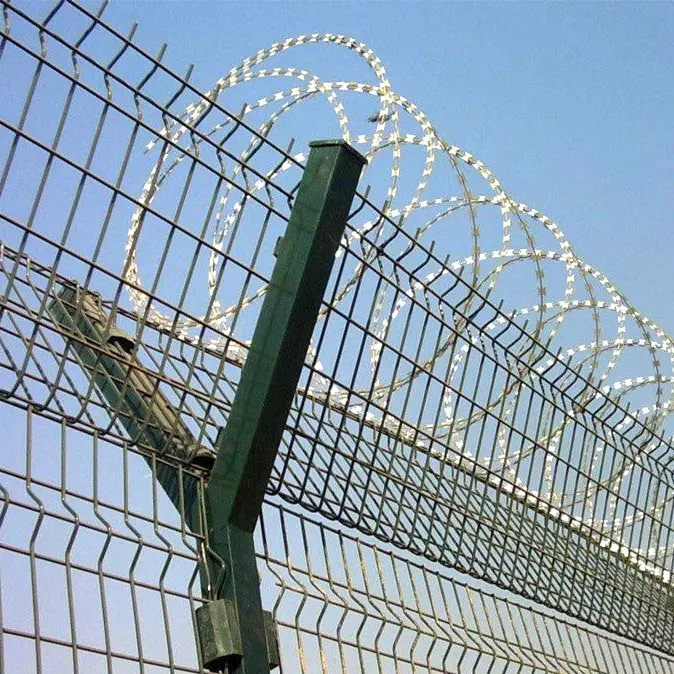
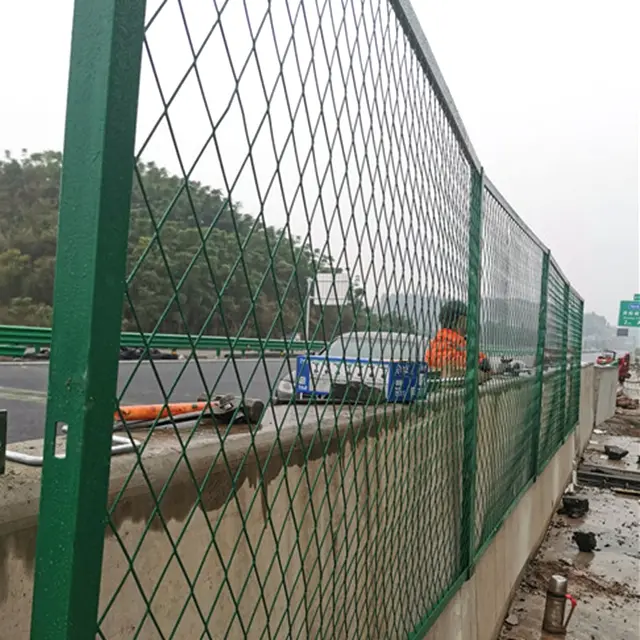
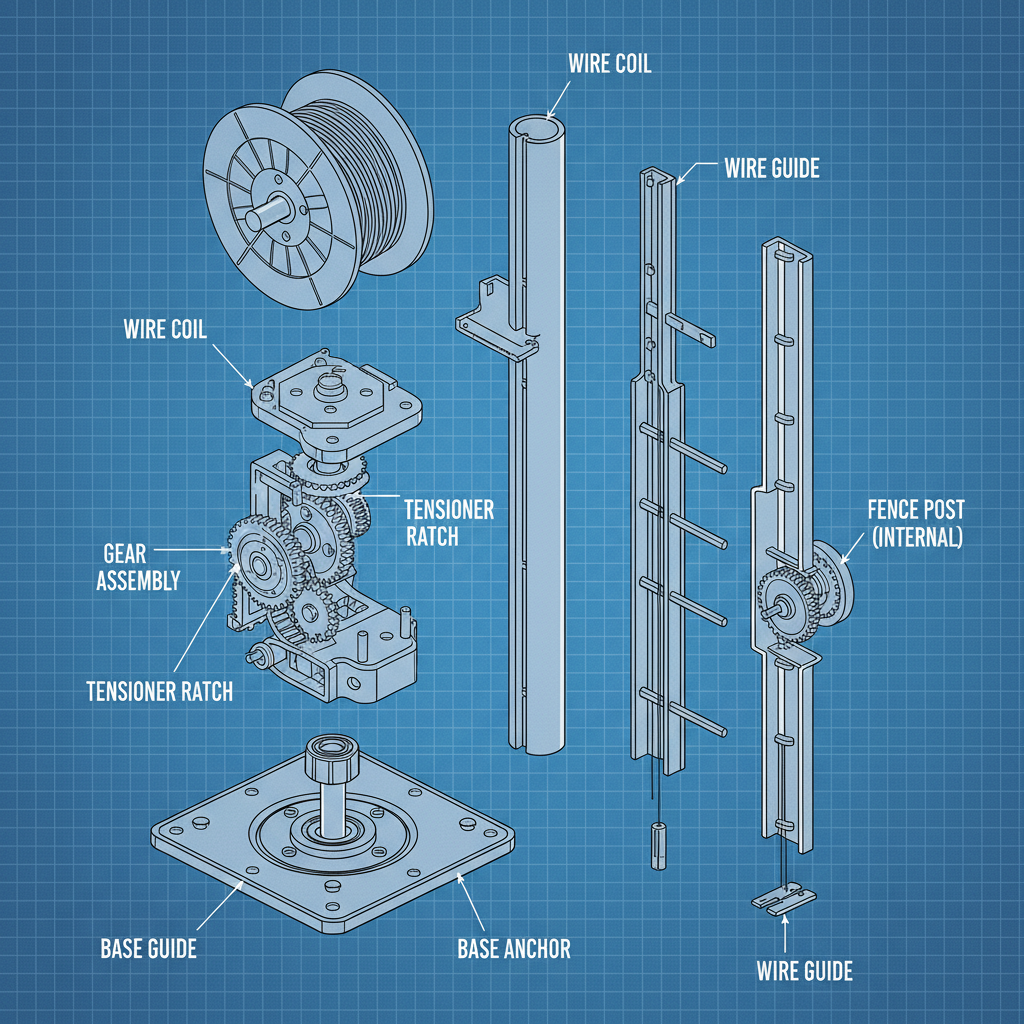
GI wire fencing isn't a one-size-fits-all product. Several types cater to specific applications. Common types include woven wire fencing, barbed wire fencing, and chain link fencing, all utilizing galvanized iron wire. Woven wire fencing is ideal for agricultural use, providing a secure barrier for livestock. Barbed wire offers a higher level of security, deterring both animals and potential intruders. Chain link is often used for security perimeters, providing a visible and robust barrier. The choice depends on your specific needs and budget. Explore the various options available at Fencing Wire Mesh and find the perfect fit for your project.
Key Types: Woven Wire, Barbed Wire, Chain Link - each offering a unique balance of security, cost, and suitability for different applications.
Benefits of Choosing GI Wire Fencing
The popularity of GI wire fencing stems from its numerous benefits. Durability is a key advantage, with the galvanized coating protecting the steel from rust and corrosion, ensuring a long lifespan. It’s also remarkably cost-effective compared to other fencing materials like wood or aluminum. GI wire fencing is relatively easy to install, requiring less specialized skill than some alternatives. Finally, it provides excellent security and containment, making it suitable for a wide variety of applications. For long-lasting, reliable fencing, GI wire is an excellent choice.
Key Advantages:
• Durability and rust resistance
• Cost-effective solution
• Easy installation
• Secure containment
GI Wire Fencing vs. Other Materials: A Comparison
When choosing a fencing material, it’s important to compare GI wire to other options. While wood offers a natural aesthetic, it requires significant maintenance and is susceptible to rot. Aluminum is lightweight and corrosion-resistant but can be more expensive. PVC fencing is low-maintenance but lacks the strength and security of GI wire. Below is a comparative overview, highlighting the strengths and weaknesses of each material.
Installing and Maintaining Your GI Wire Fence
Proper installation is crucial for the longevity and effectiveness of your GI wire fence. This typically involves setting posts at regular intervals, stretching the wire taut, and securing it to the posts with staples or fasteners. Regular maintenance, such as inspecting for broken wires and tightening loose connections, will ensure your fence remains in optimal condition. Annual inspection and re-tensioning of the wire are recommended. Protect your investment by following best practices for installation and maintenance. You can find expert guidance on installation techniques at Fencing Wire Mesh.
Product Specifications and Available Sizes
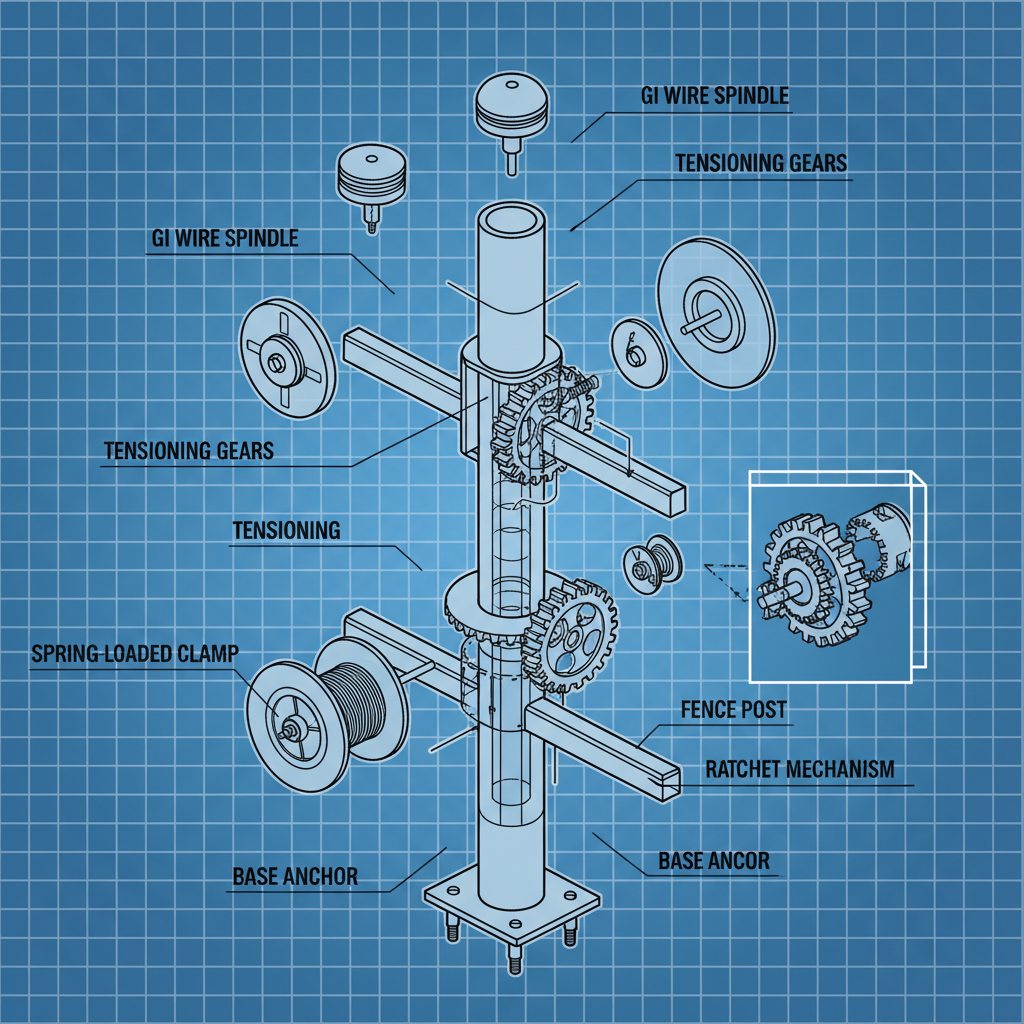
We offer a diverse range of GI wire fencing products to meet various needs. Our fencing comes in a variety of wire gauges, heights, and roll lengths. The wire gauge indicates the thickness of the wire, with lower numbers representing thicker, stronger wire. Heights typically range from 36 inches to 72 inches, while roll lengths vary from 100 feet to 500 feet. Below are some common specifications:
Conclusion: Choose GI Wire Fencing for Reliability and Value
GI wire fencing provides a durable, cost-effective, and reliable solution for a wide range of fencing needs. Whether you’re containing livestock, securing your property, or creating a perimeter barrier, GI wire is a smart choice. Explore our extensive selection of GI wire fencing options and find the perfect fit for your project. We are committed to providing high-quality products and expert support.
Frequently Asked Questions (FAQs)
What is the lifespan of GI wire fencing?
The lifespan of GI wire fencing largely depends on the quality of the galvanization and the environmental conditions. However, properly installed and maintained GI wire fencing can last 20-30 years or even longer. The zinc coating protects the steel from corrosion, but areas with high salt content or acidic conditions may require more frequent inspection and maintenance. Regularly checking for breaks, rust spots, and loose connections will maximize its lifespan.
What is the best way to prevent rust on GI wire fencing?
While galvanization provides excellent rust protection, it's not foolproof. Regularly inspect your fence for any signs of rust. You can treat minor rust spots with a zinc-rich paint or coating. Applying a protective sealant specifically designed for galvanized steel can also help to extend its lifespan. Avoid contact with corrosive materials, and ensure the area around the fence is well-drained to prevent prolonged exposure to moisture.
Is GI wire fencing suitable for saltwater environments?
GI wire fencing can be used in saltwater environments, but it will corrode more quickly than in freshwater environments. For coastal areas, we recommend using a heavier gauge wire with a thicker zinc coating, or considering alternatives like stainless steel fencing for maximum longevity. Regular inspection and maintenance are especially crucial in saltwater environments.
What tools are needed for installing GI wire fencing?
Essential tools for installing GI wire fencing include post hole diggers, fence posts, wire stretchers, staples or fasteners, wire cutters, pliers, a hammer, and safety glasses. Depending on the terrain and fence design, you may also need a level, measuring tape, and a chainsaw for trimming posts. Always prioritize safety and wear appropriate protective gear during installation.