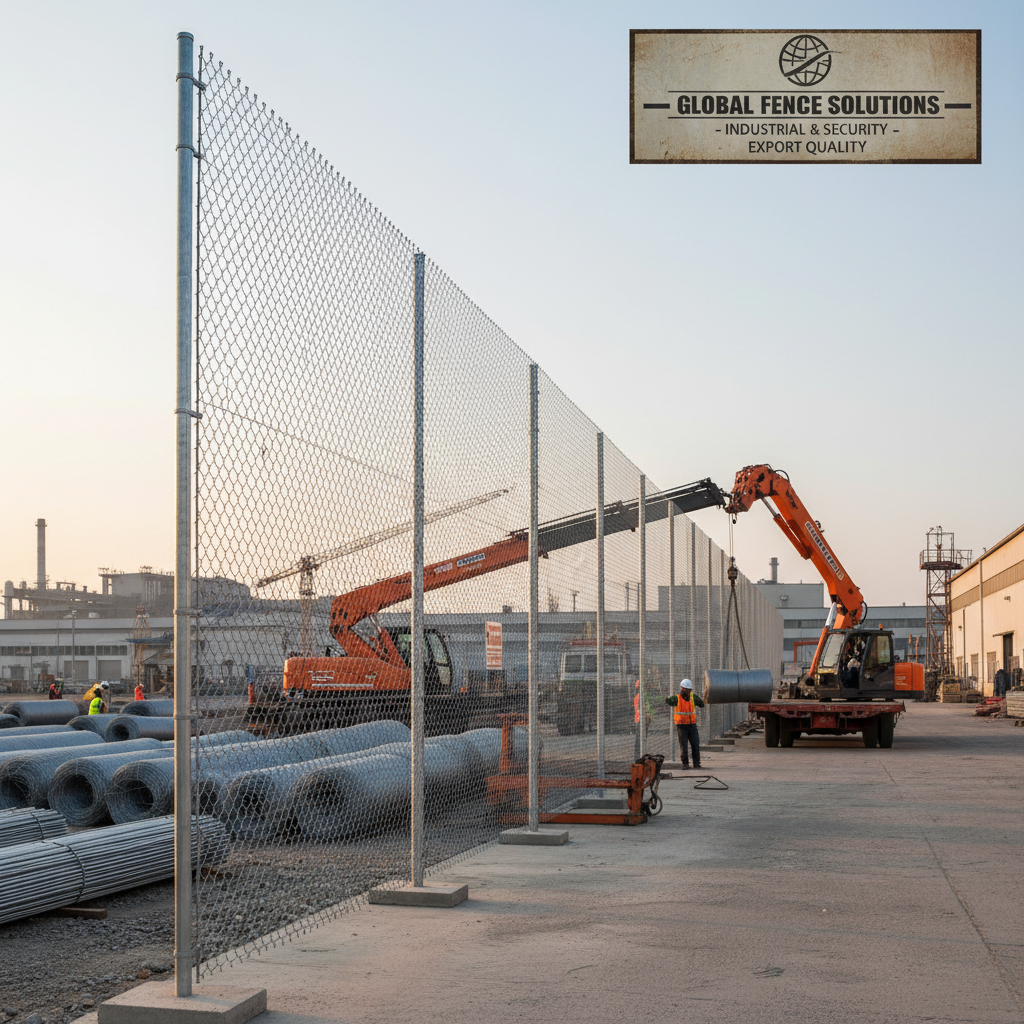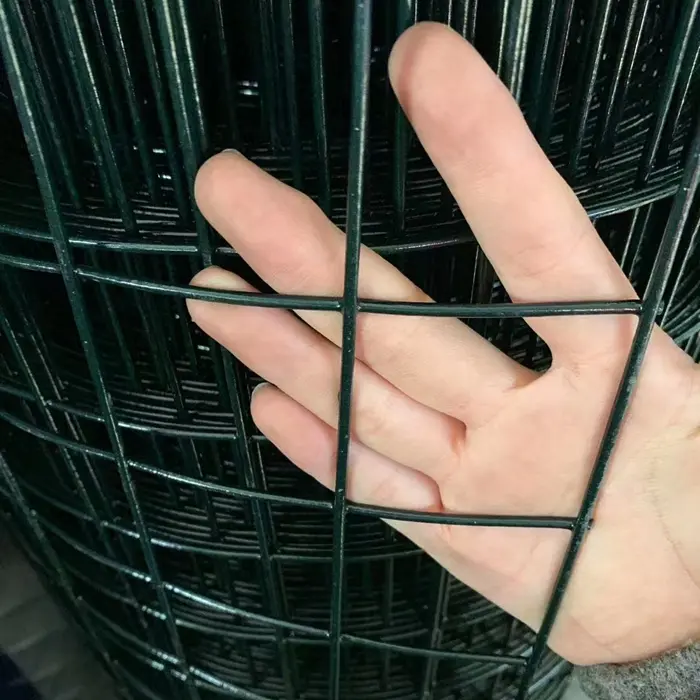

Choosing the Right Metal Wire for Fence: A Comprehensive Guide
Selecting the appropriate metal wire for fence is crucial for ensuring the security, longevity, and overall effectiveness of your fencing project. Different types of wire offer varying levels of strength, corrosion resistance, and cost-effectiveness. This article will explore the different types of metal wire commonly used in fencing, their applications, and key considerations for making the best choice for your specific needs. We’ll delve into the properties of galvanized steel, stainless steel, and other options, helping you understand which wire will provide the best value and performance.
Understanding the Different Types of Metal Wire
Several types of metal wire are commonly used for fencing. The most popular choices include galvanized steel, stainless steel, and aluminum wire. Galvanized steel wire is coated with zinc to protect it from rust and corrosion, making it a cost-effective and durable option for many fencing applications. Stainless steel wire offers superior corrosion resistance and is ideal for environments exposed to harsh weather conditions or saltwater. Aluminum wire is lightweight, rustproof, and often used for decorative fencing. Each material possesses unique characteristics that make it suitable for different scenarios. Selecting the right wire significantly impacts the lifespan and maintenance requirements of your fence.
Key Takeaway: Choosing the right metal wire involves considering the environmental conditions, security requirements, and budget constraints of your fencing project.
Galvanized Steel Wire: A Popular and Affordable Choice
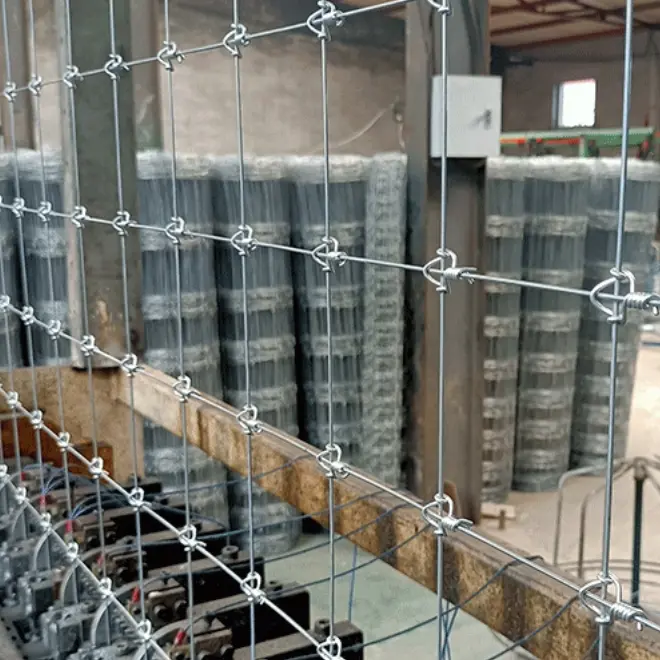
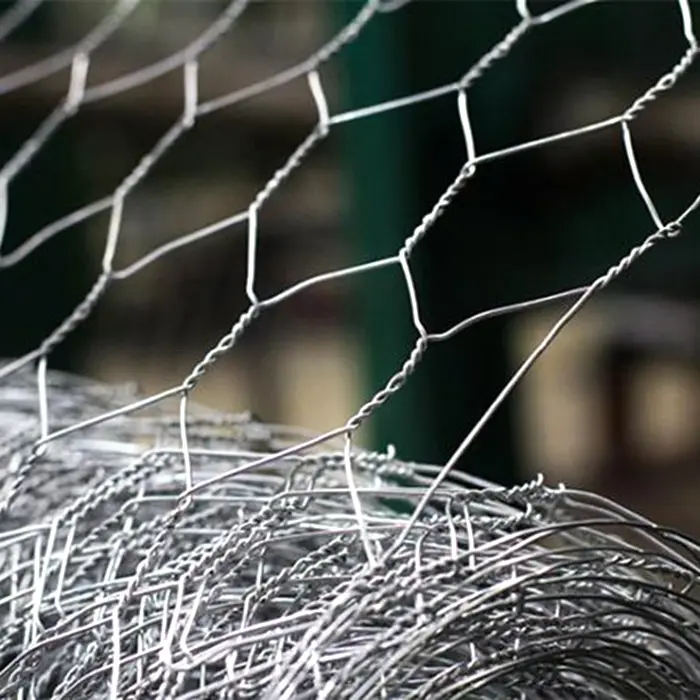
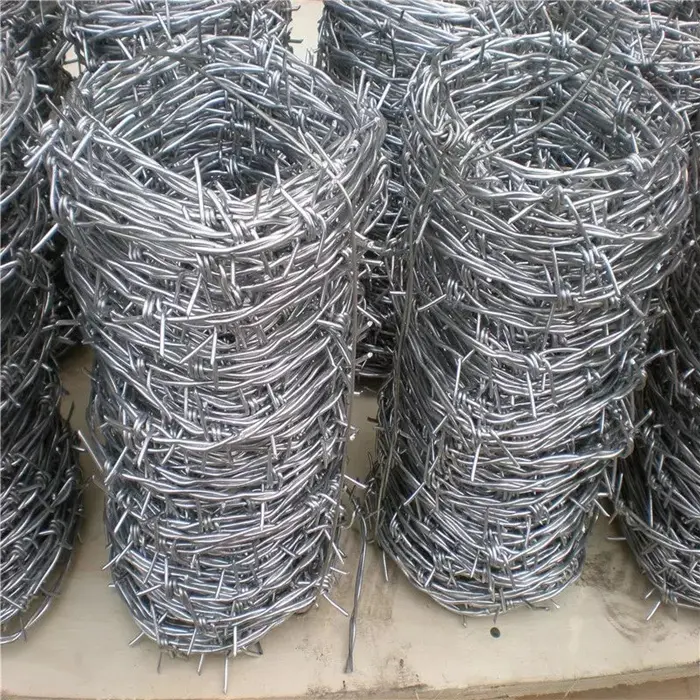
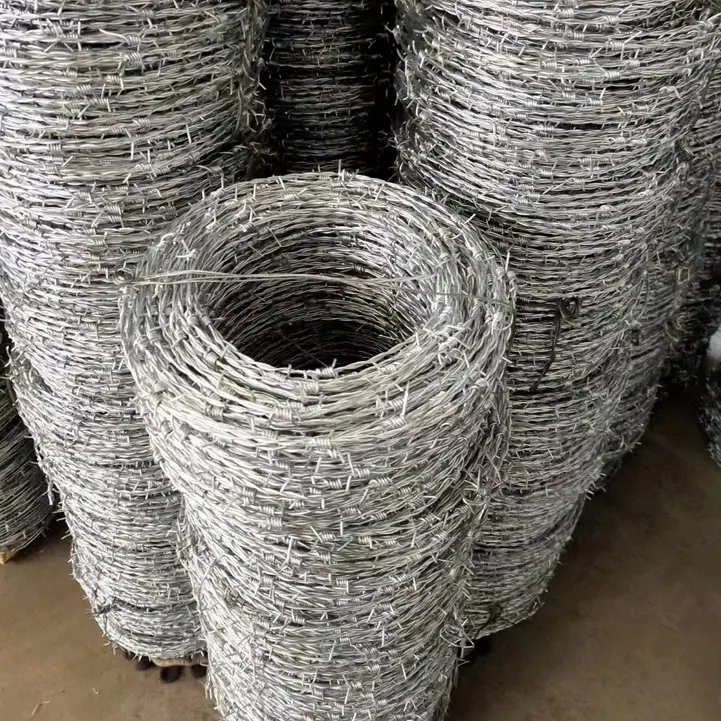
Galvanized steel wire is the most widely used material for fencing due to its balance of strength, durability, and affordability. The zinc coating provides excellent protection against rust and corrosion, extending the life of the fence. Different gauges (wire thickness) of galvanized steel wire are available, offering varying levels of strength. Heavier gauges are suitable for high-security applications or areas prone to severe weather, while lighter gauges are adequate for general-purpose fencing. Explore our galvanized steel wire options for a variety of fencing needs.
Benefits of Galvanized Steel Wire:
• Cost-effective
• Durable and long-lasting
• Good corrosion resistance
• Versatile for various fencing applications
Stainless Steel Wire for Enhanced Corrosion Resistance
For environments with high levels of moisture, salt air, or corrosive substances, stainless steel wire is the ideal choice. This material offers superior corrosion resistance compared to galvanized steel, ensuring a longer lifespan and reduced maintenance. While more expensive than galvanized steel, stainless steel wire provides a long-term investment, particularly in coastal areas or industrial settings. It’s a preferred choice for vineyards, marine applications, and high-end residential fencing.
Choosing the Right Gauge for Your Metal Wire Fence
The gauge of the wire is a critical factor determining the strength and durability of your fence. Lower gauge numbers indicate thicker wire, which provides greater strength. Common gauges for fencing range from 9 gauge (very heavy-duty) to 17 gauge (lighter-duty). Consider the intended use of the fence – a perimeter fence for security requires a heavier gauge than a decorative garden fence. Heavier gauges are more resistant to breaking or stretching, making them ideal for containing livestock or protecting valuable property. Contact us to help determine the best gauge for your specific needs.
Factors to Consider When Selecting Metal Wire
Before making a final decision, consider these crucial factors: Environmental conditions: Will the fence be exposed to saltwater, extreme temperatures, or corrosive chemicals? Security requirements: Does the fence need to deter intruders or contain animals? Budget: How much are you willing to spend on materials? Aesthetic preferences: What style and appearance are you aiming for? By carefully evaluating these factors, you can choose the metal wire that will provide the best combination of performance, durability, and value for your fencing project.
Conclusion: Investing in Quality Fencing Wire
Choosing the right metal wire for fence is an investment in the long-term security and durability of your property. By understanding the different types of wire available and considering your specific needs, you can select a product that will provide years of reliable performance. Don’t compromise on quality – choose a reputable supplier and prioritize materials that will withstand the test of time.
Frequently Asked Questions (FAQs)
What is the best wire gauge for containing livestock?
For containing livestock, a wire gauge of 12.5 or 14 is generally recommended. This provides sufficient strength to withstand the pressure of animals without easily breaking or stretching. The specific gauge may depend on the type of livestock you are containing; larger and more powerful animals require heavier gauge wire. It’s also important to consider the height and spacing of the fence posts when determining the appropriate wire gauge.
How do I prevent rust on galvanized steel wire fences?
While galvanized steel offers good corrosion resistance, rust can still develop over time, especially in harsh environments. Regularly inspect the fence for any signs of rust and apply a zinc-rich paint or coating to affected areas. Ensure the wire is not in direct contact with dissimilar metals, which can accelerate corrosion. Proper installation and maintenance, including keeping vegetation trimmed away from the fence, will also help prevent rust.
Is aluminum wire a good option for saltwater environments?
Yes, aluminum wire is an excellent choice for saltwater environments due to its inherent corrosion resistance. Unlike steel, aluminum does not rust when exposed to salt air. However, it is important to note that aluminum is softer than steel and may not be as strong for high-security applications. Its lightweight nature also means it may stretch more easily than steel wire.
What is the expected lifespan of a properly installed metal wire fence?
The lifespan of a properly installed metal wire fence can vary significantly depending on the type of wire used, the environmental conditions, and the level of maintenance. Galvanized steel fences typically last 10-20 years, while stainless steel fences can last 25 years or more. Regular inspection, maintenance, and timely repairs are essential for maximizing the lifespan of your fence.