
Reinforcement Wire: A Comprehensive Guide
Reinforcement wire is a crucial component in countless applications, from fencing and construction to concrete reinforcement and specialized industrial uses. Its primary function is to enhance the strength and stability of materials, preventing cracking, deformation, and overall structural failure. This article dives deep into the world of reinforcement wire, exploring its different types, applications, benefits, and key considerations for selecting the right wire for your project. Understanding the nuances of reinforcement wire ensures you achieve optimal results and long-lasting performance.
What is Reinforcement Wire?
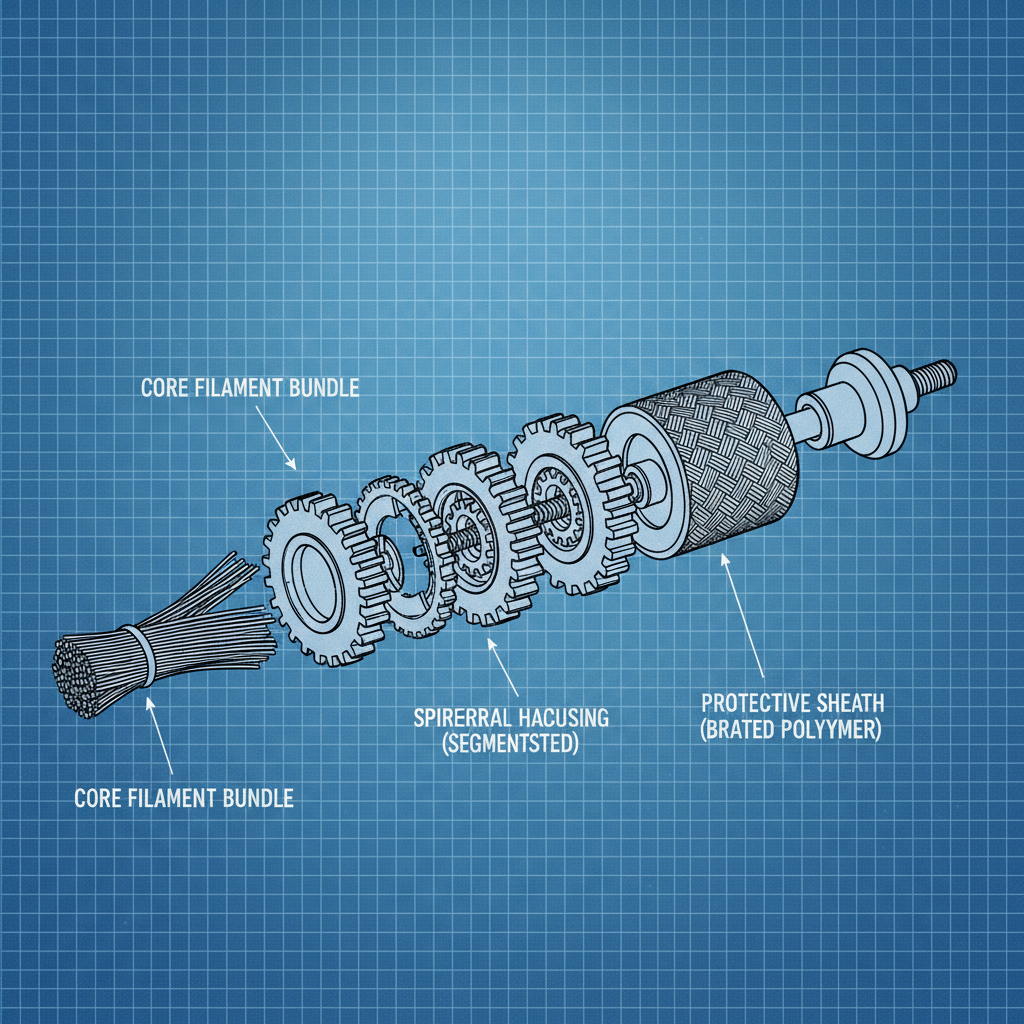
Reinforcement wire refers to metallic wires used to strengthen materials. While steel is the most common material, other metals like stainless steel and even certain polymers can be employed depending on the specific application. The wire is integrated into the material during manufacturing or construction, creating a composite structure with significantly improved mechanical properties. This is achieved through several mechanisms, including resisting tensile forces, distributing stresses, and preventing crack propagation. Different manufacturing processes yield various types of reinforcement wire, each tailored for specific needs.
Key Benefits: Enhanced structural integrity, increased tensile strength, improved resistance to cracking and deformation, extended lifespan of the reinforced material.
Types of Reinforcement Wire
Several types of reinforcement wire are available, each offering unique characteristics. Here's a breakdown of the most common varieties:
- Plain Steel Wire: The most basic and cost-effective option, suitable for general reinforcement purposes.
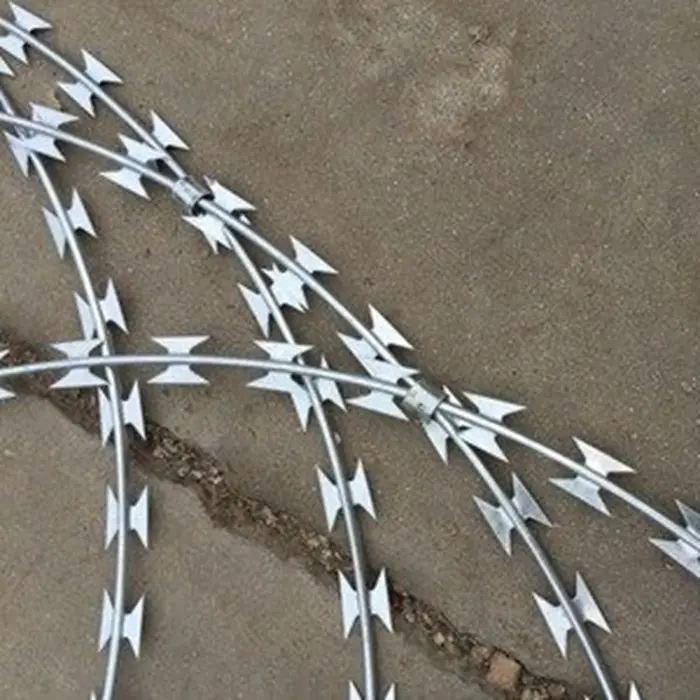
- Galvanized Steel Wire: Coated with zinc to provide corrosion resistance, ideal for outdoor applications.
- Stainless Steel Wire: Offers superior corrosion resistance and is often used in harsh environments or applications requiring hygienic surfaces.
- High-Tensile Steel Wire: Engineered for exceptional strength and durability, used in demanding applications like pre-stressed concrete.
- Welded Wire Mesh: A pre-fabricated grid of wires, providing efficient reinforcement for concrete slabs and walls.
Reinforcement Wire Applications
The applications for reinforcement wire are incredibly diverse. Here are some key examples:
- Concrete Reinforcement: Rebar (Reinforcing Bar) is a classic example, used to strengthen concrete structures like buildings, bridges, and roads.
- Fencing: Wire mesh fencing relies on reinforcement wire for strength and stability, securing properties and livestock. Explore fencing wire mesh options for your perimeter security needs.
- Construction: Reinforcement wire is used in shotcrete, plaster, and other construction materials to prevent cracking and improve durability.
- Mining: Wire mesh is used for slope stabilization and ground control in mining operations.
- Automotive Industry: Reinforcement wire is used in hoses, tires, and other automotive components.
Comparing Steel Wire Types for Fencing
Choosing the correct steel wire type for fencing is critical for long-term durability and performance. Here’s a comparison of common options:
Factors to Consider When Selecting Reinforcement Wire
Choosing the right reinforcement wire requires careful consideration of several factors. These include:
- Environment: Exposure to moisture, chemicals, and UV radiation will influence the required corrosion resistance.
- Load Requirements: The anticipated stress on the material will determine the necessary tensile strength.
- Compatibility: Ensure the wire is compatible with the base material it will be reinforcing.
- Cost: Balance performance requirements with budgetary constraints.
- Industry Standards: Adhere to relevant industry standards and regulations.
Conclusion
Reinforcement wire is a foundational material in a vast array of applications. Selecting the appropriate type of wire is crucial for ensuring the structural integrity, durability, and longevity of your projects. By carefully considering the factors outlined in this guide and exploring quality options from reputable suppliers like Fencing Wire Mesh, you can make informed decisions that deliver exceptional results.
Frequently Asked Questions (FAQs)
What is the difference between rebar and reinforcement wire?
While both rebar and reinforcement wire serve to strengthen concrete, they differ in form and application. Rebar consists of individual steel bars, typically with deformed surfaces to enhance bonding with concrete. Reinforcement wire, on the other hand, often refers to welded wire mesh or lighter gauge wire used to reinforce slabs, plaster, or stucco. Rebar is designed for significant structural loads in columns, beams, and foundations, while reinforcement wire is commonly used for lighter-duty applications where crack control and surface reinforcement are prioritized.
How is galvanized wire made?
Galvanized wire is produced by coating steel wire with a protective layer of zinc. The most common method is hot-dip galvanizing, where the steel wire is immersed in a bath of molten zinc. This process creates a metallurgical bond between the zinc and the steel, providing excellent corrosion protection. Another method is electrogalvanizing, which uses an electrochemical process to deposit a zinc coating. The thickness of the zinc coating determines the level of corrosion resistance.
What are the advantages of using stainless steel reinforcement wire?
Stainless steel reinforcement wire offers superior corrosion resistance compared to galvanized steel or plain steel, making it ideal for harsh environments or applications where hygiene is critical. It resists rust, staining, and deterioration even when exposed to saltwater, chemicals, and extreme temperatures. While more expensive upfront, its extended lifespan and reduced maintenance requirements often make it a cost-effective choice in the long run. It's commonly used in marine applications, chemical processing plants, and food processing facilities.
How do I determine the appropriate gauge of reinforcement wire for my project?
Determining the correct wire gauge depends on the specific application and load requirements. Generally, higher gauges (smaller diameter) are suitable for lighter-duty applications like crack control in plaster, while lower gauges (larger diameter) are needed for applications requiring greater tensile strength, such as concrete reinforcement. Consulting with a structural engineer or referring to relevant building codes and standards is crucial to ensure you select the appropriate wire gauge for your project’s safety and performance.