
Understanding Honeycomb Steel Mesh: Applications and Benefits
Honeycomb steel mesh is a versatile and robust material gaining prominence in various industries. Its unique cellular structure provides exceptional strength-to-weight ratio, making it an ideal choice for applications ranging from protective barriers to architectural facades. This article delves into the characteristics, manufacturing process, applications, and benefits of honeycomb steel mesh, offering a comprehensive guide for professionals and those seeking innovative material solutions. We'll explore why this material is becoming a preferred choice across multiple sectors.

What is Honeycomb Steel Mesh?
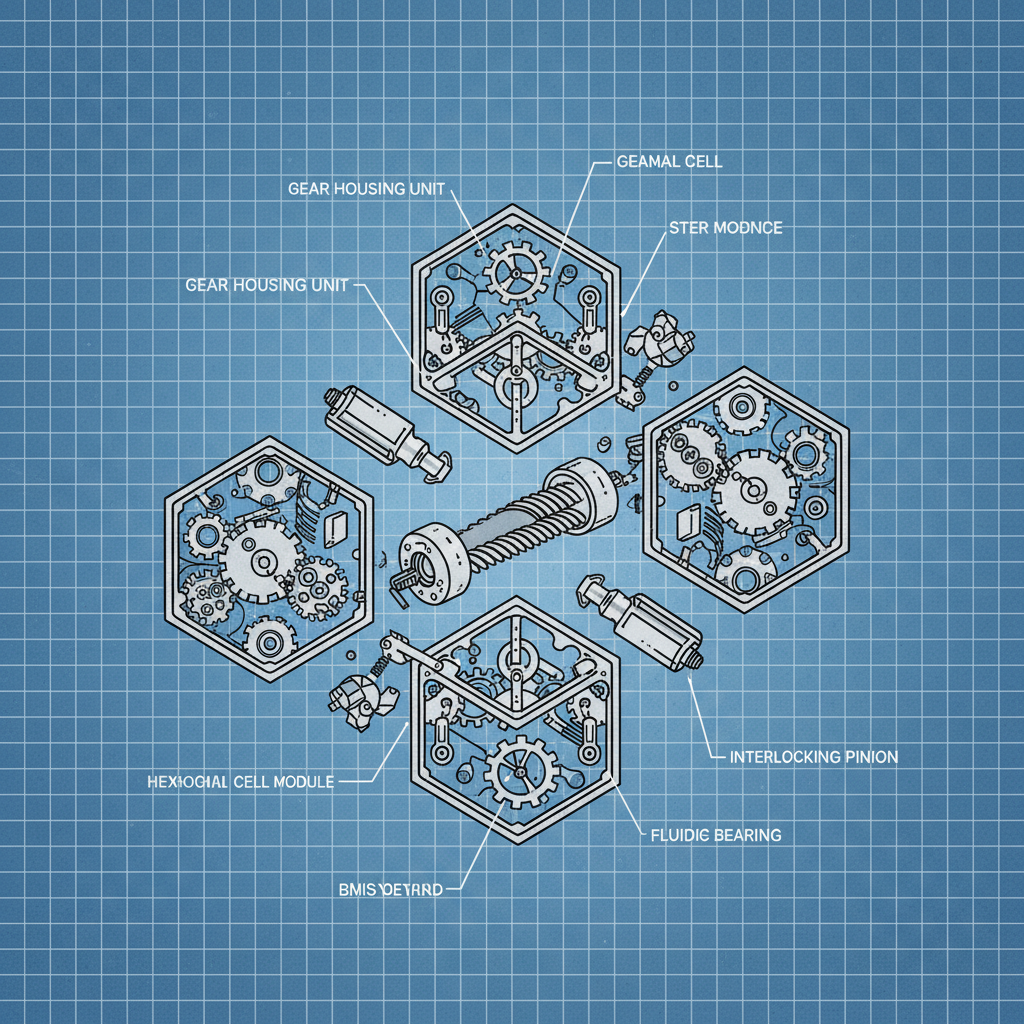
Honeycomb steel mesh is a manufactured product characterized by its hexagonal cell structure. This structure, mimicking a natural honeycomb, provides exceptional compressive strength and rigidity while remaining lightweight. The mesh is typically made from stainless steel, carbon steel, or aluminum, depending on the specific application requirements. It’s created by expanding and welding or interlocking metal sheets to form the distinctive honeycomb pattern. The cell size and foil thickness can be adjusted to fine-tune the mesh’s properties, such as strength, flexibility, and permeability. Honeycomb steel mesh offers a unique blend of performance characteristics that set it apart from traditional materials.
Key Highlights: Exceptional strength-to-weight ratio, customizable cell size and foil thickness, suitable for a wide range of applications, and made from durable materials like stainless steel.
Manufacturing Processes for Honeycomb Steel Mesh
The production of honeycomb steel mesh involves several key processes. Initially, metal sheets are precisely slit and expanded to create a corrugated pattern. These corrugated sheets are then stacked and welded together at the nodal points, forming the hexagonal honeycomb structure. Alternatively, some manufacturing methods utilize interlocking or bonding techniques instead of welding. The quality of the welds or bonds is critical to ensuring the mesh's structural integrity. Precise control over the expansion and welding parameters is essential to achieve consistent cell size and uniform thickness throughout the mesh. Advanced robotic systems are often employed to automate these processes, enhancing efficiency and accuracy.
Manufacturing Process Steps:
• Slitting and expanding metal sheets
• Stacking corrugated sheets
• Welding, interlocking, or bonding nodal points
• Quality control and finishing
Applications of Honeycomb Steel Mesh
The unique properties of honeycomb steel mesh lend itself to a wide range of applications. In the construction industry, it's used as a lightweight core material for sandwich panels, providing structural support and thermal insulation. It finds applications in protective barriers, such as blast mitigation systems and vehicle armor. The aerospace industry utilizes it for aircraft interiors and lightweight structural components. Architectural designs incorporate it as a visually striking facade material. Other applications include filtration systems, sound absorption panels, and even automotive components. The material's versatility continues to drive innovation and expand its use cases.
Benefits of Using Honeycomb Steel Mesh
The advantages of using honeycomb steel mesh are numerous. Its high strength-to-weight ratio contributes to significant weight savings, making it ideal for applications where reducing overall mass is critical. The cellular structure provides excellent energy absorption capabilities, making it effective in impact resistance. The mesh also offers good thermal and acoustic insulation properties. Furthermore, its customizable design allows for tailoring its properties to meet specific application needs. This versatility, combined with its durability and cost-effectiveness, makes it a compelling material choice. Choosing Honeycomb steel mesh means opting for a solution that balances performance and efficiency.
Honeycomb Steel Mesh: Specifications & Material Options
Honeycomb steel mesh is available in a variety of specifications to meet diverse application requirements. The cell size typically ranges from 6mm to 50mm, allowing for control over permeability and structural properties. Foil thickness can vary from 0.5mm to 3mm, impacting the mesh's strength and weight. Common materials include stainless steel (304, 316L), carbon steel, and aluminum alloys. Stainless steel offers superior corrosion resistance, making it suitable for harsh environments. Carbon steel provides high strength at a lower cost. Aluminum alloys offer excellent weight savings. Here’s a quick reference guide:
Conclusion: The Future of Lightweight Strength
Honeycomb steel mesh represents a significant advancement in material technology, offering a compelling combination of strength, lightweight characteristics, and versatility. Its expanding range of applications across diverse industries highlights its potential to revolutionize designs and improve performance. Whether you’re looking for a solution in construction, aerospace, or another field, exploring honeycomb steel mesh is a smart move towards innovation and efficiency.
Frequently Asked Questions (FAQs)
What is the typical lifespan of honeycomb steel mesh?
The lifespan of honeycomb steel mesh depends on the material used, the environment it's exposed to, and the load it bears. Stainless steel mesh generally offers the longest lifespan due to its excellent corrosion resistance. Proper maintenance, such as cleaning and protective coatings, can further extend its life. Under normal conditions, a well-maintained honeycomb steel mesh structure can last for several decades. However, regular inspections are crucial to identify any signs of damage or degradation.
Can honeycomb steel mesh be customized for specific applications?
Absolutely! Honeycomb steel mesh is highly customizable. Cell size, foil thickness, material type, and overall dimensions can be tailored to meet specific application requirements. Manufacturers can also offer custom coatings, surface treatments, and fabrication services to further optimize the mesh’s performance. This flexibility makes it a versatile solution for a wide range of engineering challenges.
Is honeycomb steel mesh recyclable?
Yes, honeycomb steel mesh is largely recyclable, especially when made from stainless steel or aluminum. These materials can be recovered and reused in other applications, contributing to sustainable practices. Carbon steel mesh can also be recycled, although it may require more processing. Working with a reputable supplier who prioritizes responsible manufacturing and recycling practices is essential.