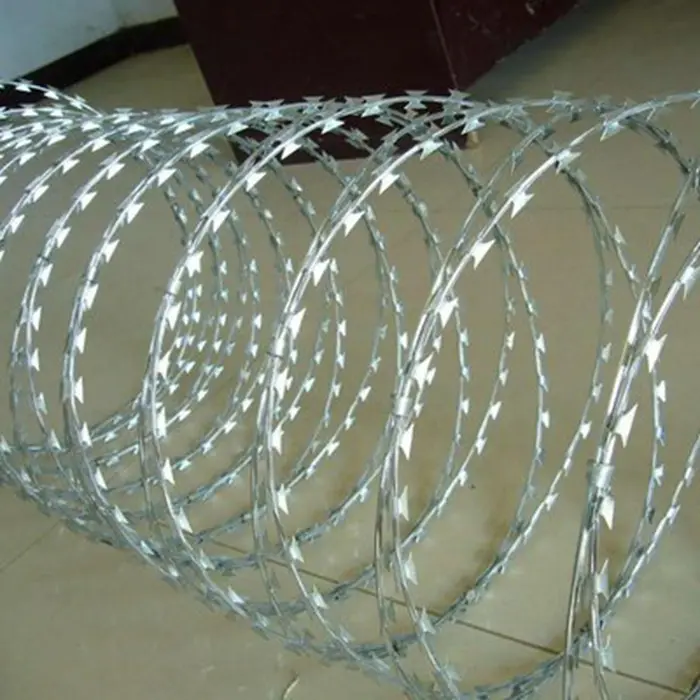

Understanding Steel Cage Mesh: Applications and Benefits
Steel cage mesh is a versatile and robust material used in a wide range of applications, from animal containment to industrial reinforcement. This article will explore the different types of steel cage mesh, its key features, and the benefits of using it in various industries. We’ll also discuss factors to consider when choosing the right mesh for your specific needs. A strong and durable solution, steel cage mesh provides security, structure, and longevity.
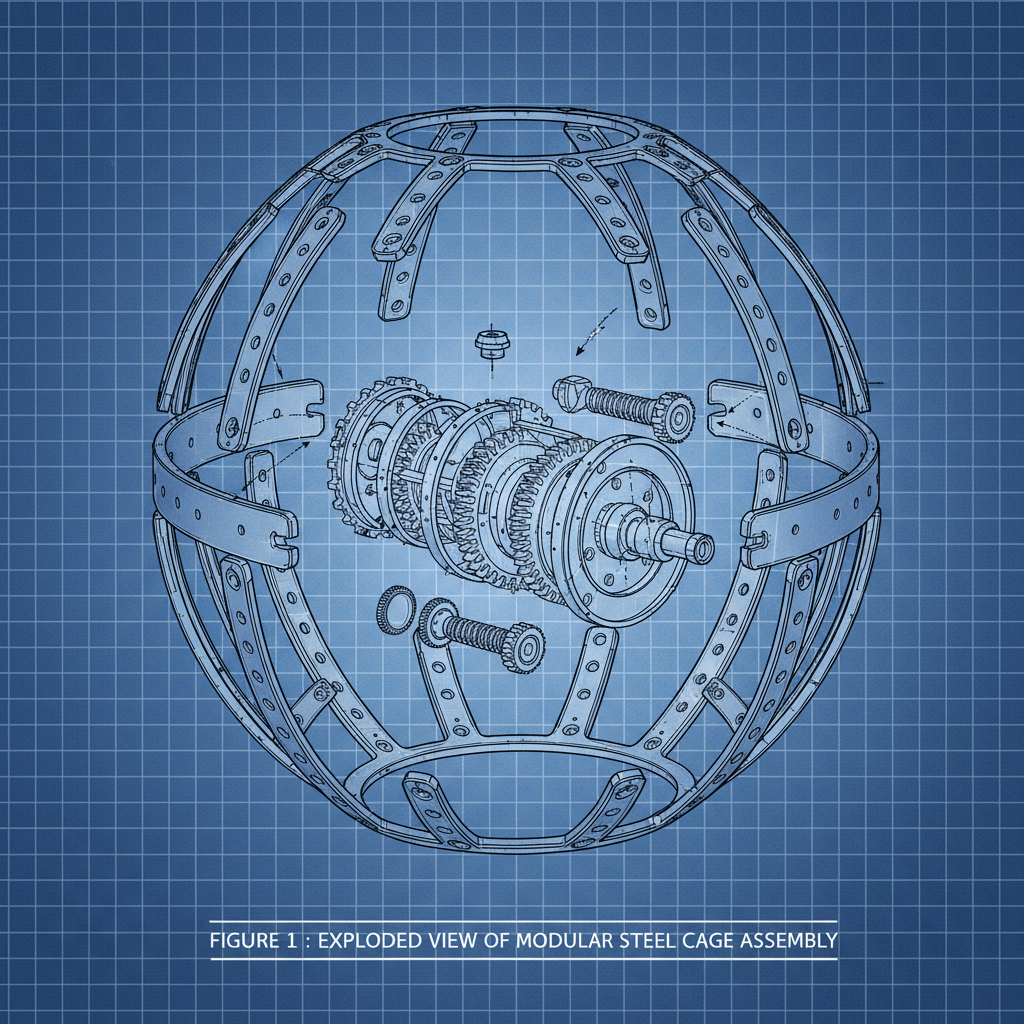
What is Steel Cage Mesh?
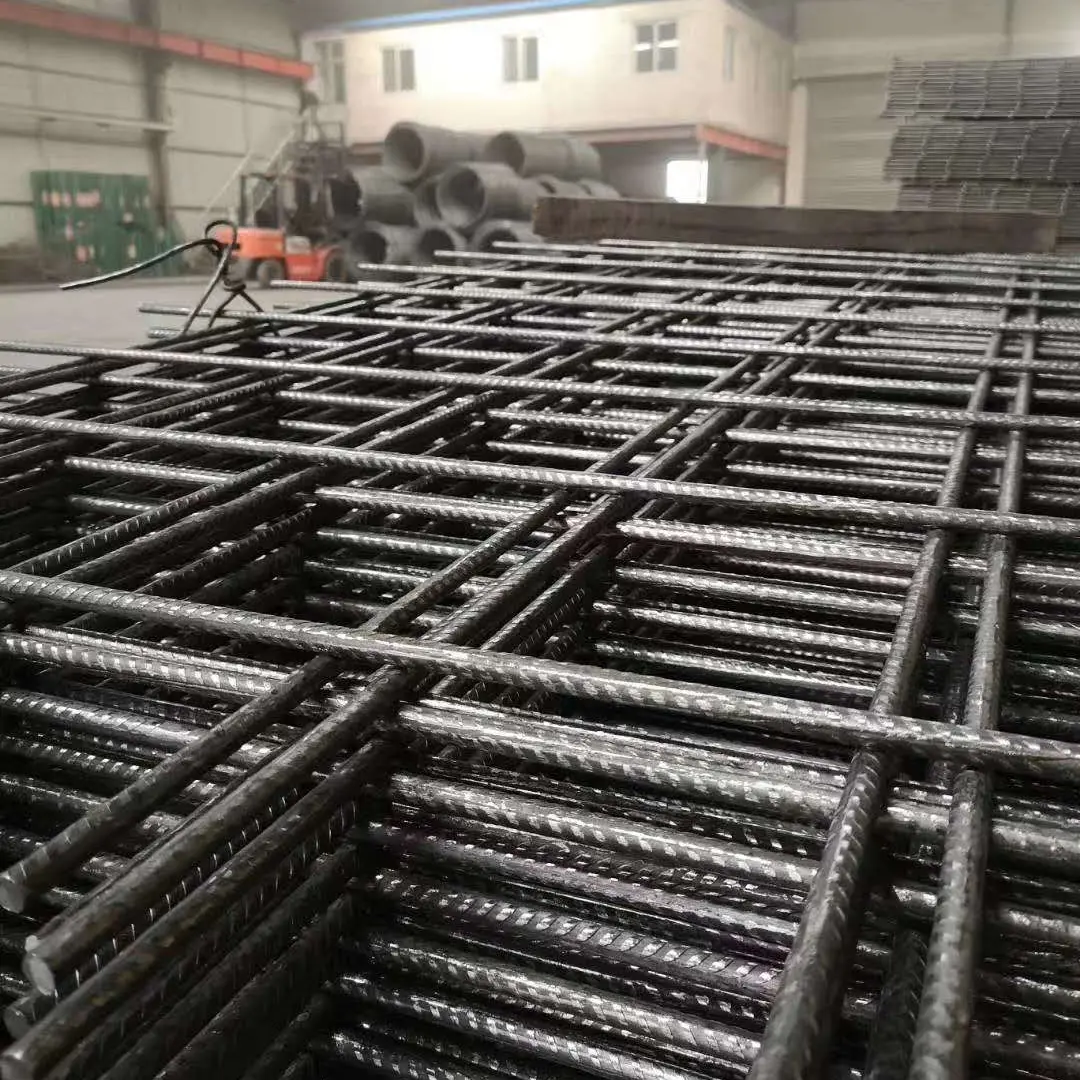
Steel cage mesh, also known as welded wire mesh or wire netting, is created by welding wires together at their intersections. This creates a strong and rigid panel that can be used for a multitude of purposes. The mesh is typically made from low carbon steel wire, but stainless steel and other alloys can be used for applications requiring higher corrosion resistance. The size of the openings (mesh size) and the gauge (thickness) of the wire can be customized to meet specific requirements. Fencing Wire Mesh offers a comprehensive range of steel cage mesh products.
Key Highlights: Created by welding wires together at their intersections, resulting in a strong and rigid panel. Customizable mesh size and wire gauge for specific needs.
Common Applications of Steel Cage Mesh
The applications for steel cage mesh are incredibly diverse. It’s widely used in agriculture for animal enclosures, poultry netting, and protecting crops. In construction, it serves as reinforcement for concrete, plastering, and screeds. Industrial applications include safety guarding, machine enclosures, and shelving. Furthermore, steel cage mesh is used in the manufacturing of shopping carts, baskets, and other products requiring a durable and secure structure. Explore application options on our website.
Application Areas:
• Agriculture (animal enclosures, crop protection)
• Construction (concrete reinforcement, plastering)
• Industrial (safety guarding, machine enclosures)
• Manufacturing (shopping carts, baskets)
Steel Cage Mesh: Types and Specifications
Several variations of steel cage mesh cater to different needs. Common types include:
Benefits of Using Steel Cage Mesh
Using steel cage mesh offers numerous advantages, including durability and long-lasting performance. It provides excellent strength and rigidity, making it ideal for applications requiring structural support. Steel cage mesh is also resistant to corrosion and weathering, ensuring its longevity even in harsh environments. Its cost-effectiveness compared to other materials makes it a popular choice for a wide range of projects. The ease of installation and customization further adds to its appeal.
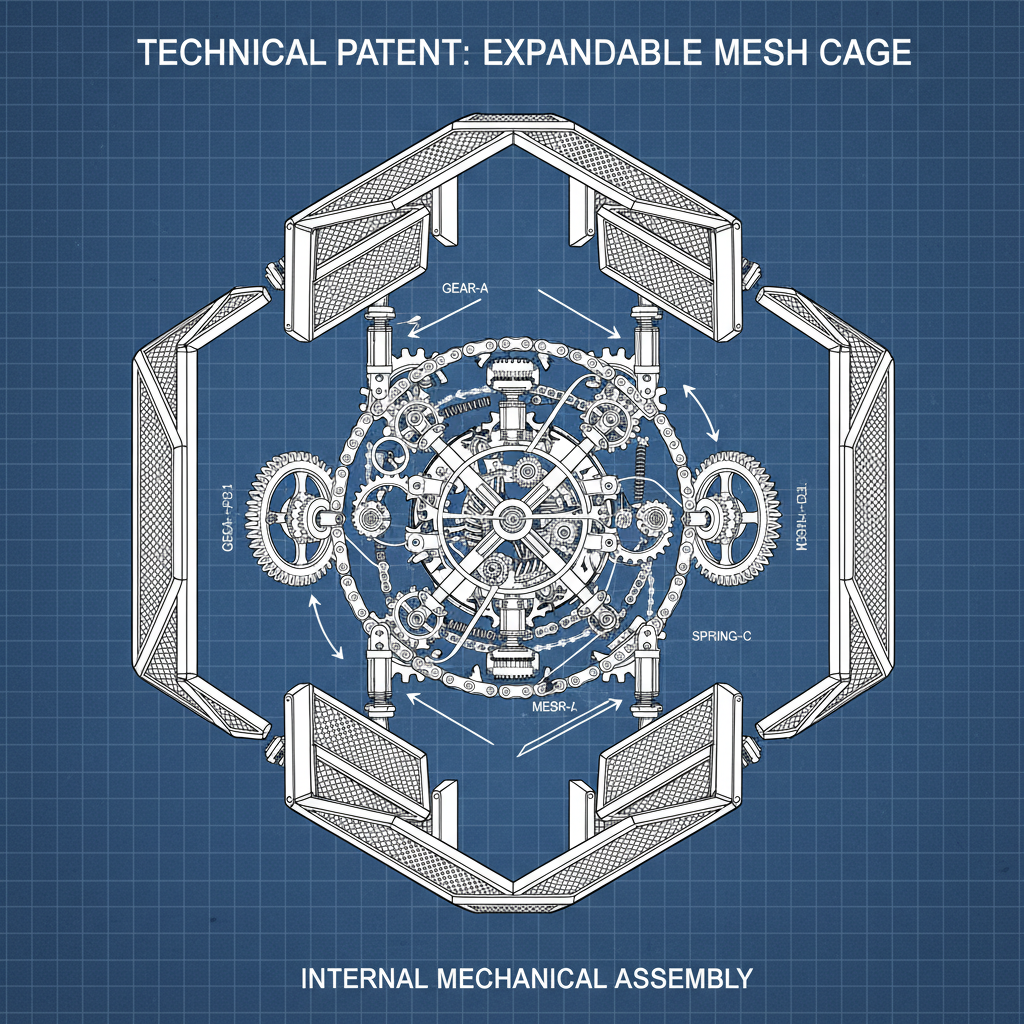
Factors to Consider When Choosing Steel Cage Mesh
Selecting the appropriate steel cage mesh involves considering several factors. Wire gauge determines the strength and durability of the mesh. Mesh size affects the level of security and containment. Material type impacts corrosion resistance and overall lifespan. It’s also important to consider the environmental conditions and the specific requirements of the application. Contact our experts for guidance on selecting the best mesh for your needs.
Conclusion: A Reliable Solution for Diverse Needs
Steel cage mesh is a versatile and reliable material that offers a wide range of benefits across various industries. From enhancing security to providing structural support, it’s a cost-effective and durable solution for countless applications. Fencing Wire Mesh is dedicated to providing high-quality steel cage mesh products tailored to your specific needs. Don’t hesitate to reach out to us for expert advice and exceptional service.
Frequently Asked Questions (FAQs)
What is the typical lifespan of steel cage mesh?
The lifespan of steel cage mesh varies depending on the material, coating, and environmental conditions. Galvanized steel mesh typically lasts 10-20 years, while stainless steel mesh can last significantly longer – often several decades. Factors like exposure to salt water, harsh chemicals, and abrasion can reduce lifespan. Regular inspection and maintenance can help extend the life of the mesh. Protective coatings like PVC can also provide additional corrosion resistance.
What mesh size is best for containing small animals?
For containing small animals like rabbits or poultry, a mesh size of 1 inch x 1 inch (25mm x 25mm) or smaller is generally recommended. This prevents the animals from escaping through the openings. The gauge of the wire should also be sufficient to prevent bending or breaking. Consider the size and strength of the animals you are containing when selecting the appropriate mesh size. Consult our product catalog for specific recommendations.
Is steel cage mesh easy to install?
Yes, steel cage mesh is generally easy to install, particularly welded wire mesh. It can be cut to size using wire cutters or bolt cutters. It’s typically attached to posts or frames using staples, wire ties, or screws. For larger projects, professional installation is recommended to ensure proper tensioning and secure attachment. We offer accessories to facilitate installation and ensure a professional finish.