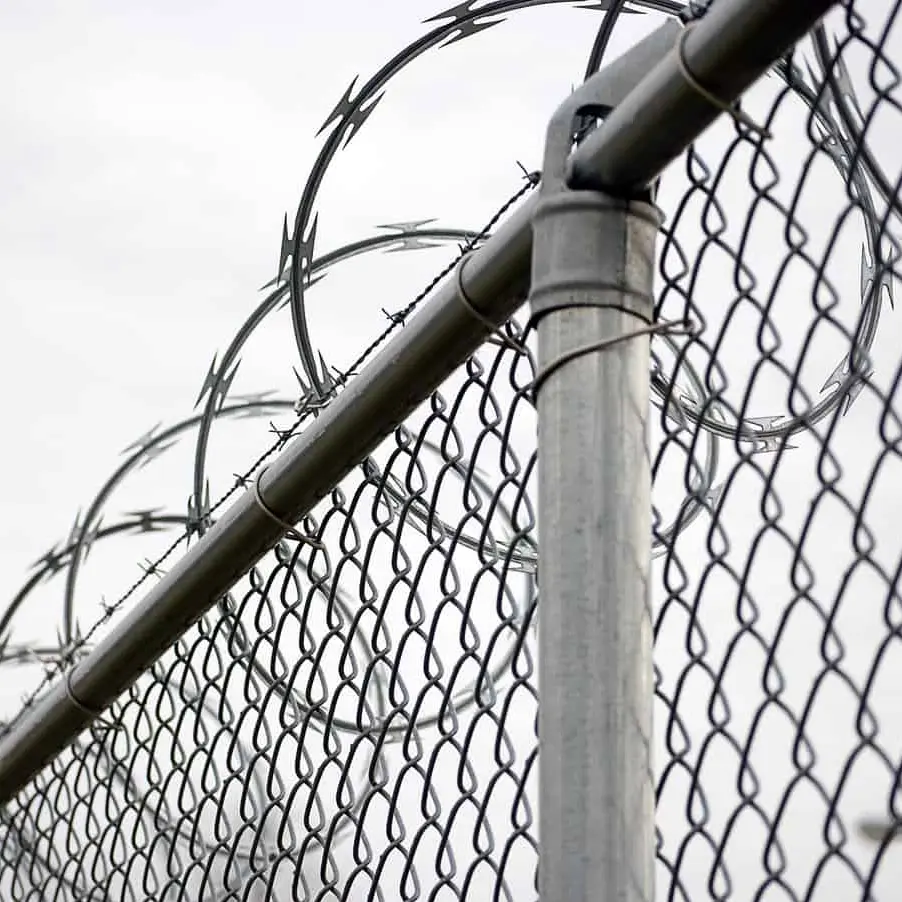

Understanding the Versatility of Metal Mesh Net
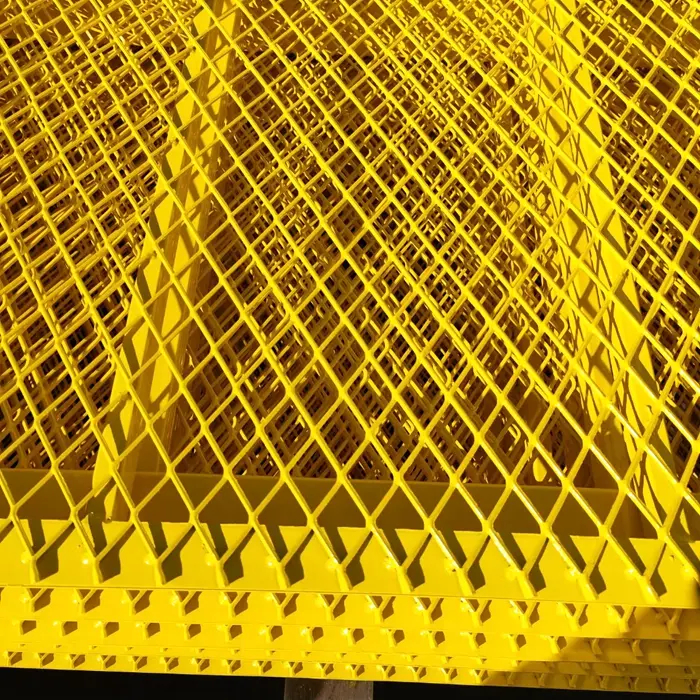
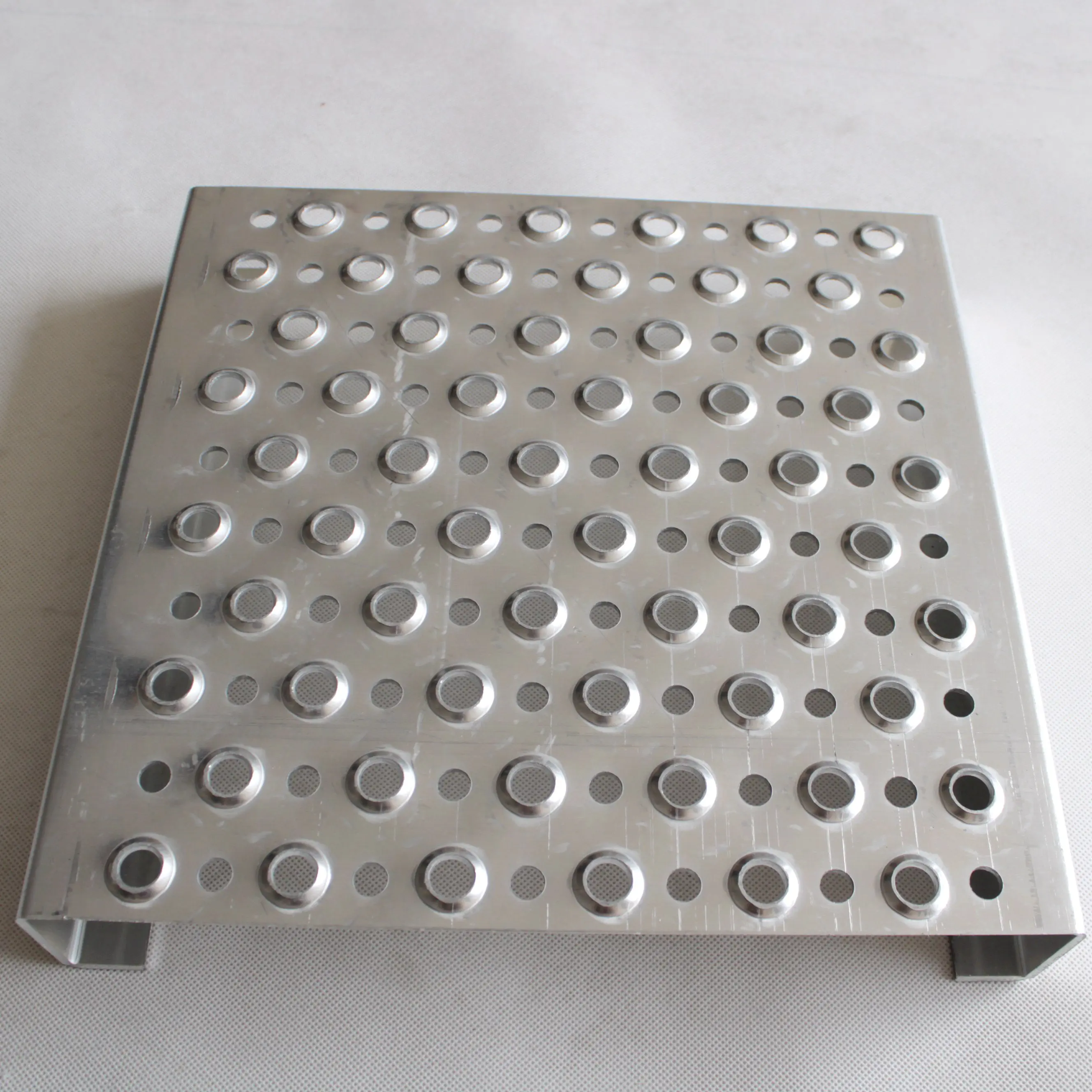
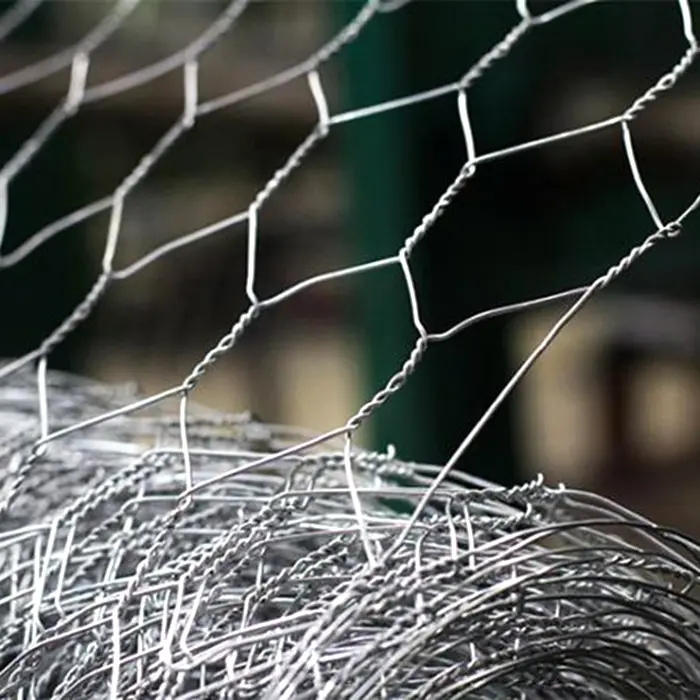
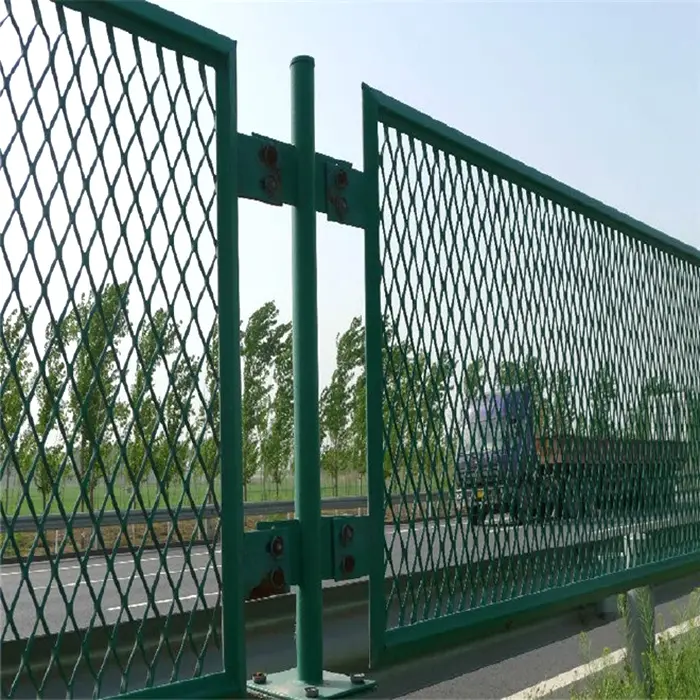
Metal mesh net is a widely used material across diverse industries, valued for its strength, durability, and versatility. From agricultural fencing to industrial filtration, its applications are extensive. This article explores the different types, applications, and benefits of using metal mesh net, providing a comprehensive overview for potential buyers and users. Understanding its properties is crucial for selecting the optimal solution for your specific needs.
Types of Metal Mesh Net
Metal mesh net isn’t a one-size-fits-all product. It comes in a variety of materials and weave patterns, each suited for different purposes. Common materials include stainless steel, galvanized steel, aluminum, and copper. Weave patterns range from plain weave and twill weave to Dutch weave and reverse Dutch weave. The material chosen dictates the corrosion resistance and strength, while the weave pattern impacts the mesh size and filtration capabilities.
Key Highlights: Variety in materials and weave patterns allows for tailored solutions based on specific application requirements. Choosing the right combination ensures optimal performance and longevity.
Applications Across Industries
The versatility of metal mesh net leads to its widespread use across numerous industries. In agriculture, it’s used for poultry fencing, animal enclosures, and crop protection. Industrial applications include filtration systems for liquids and gases, ventilation screens, and safety guards for machinery. It’s also used in construction for reinforcing materials and in the automotive industry for filters and screens. The demand for high-quality metal mesh net continues to grow with expanding industrial needs.
Industry Applications:
• Agriculture: Fencing, animal containment, crop protection
• Industrial: Filtration, ventilation, safety guards
• Construction: Reinforcement, screens
• Automotive: Filters, screens
Metal Mesh Net: A Comparison of Materials
Different materials offer unique advantages. Stainless steel provides exceptional corrosion resistance, making it ideal for marine environments and food processing. Galvanized steel offers a good balance of strength and cost-effectiveness. Aluminum is lightweight and corrosion-resistant, suitable for aerospace applications. Copper is highly conductive and corrosion-resistant, used in specialized filtration systems. The best material depends on the application and budgetary constraints.
Factors to Consider When Choosing Metal Mesh Net
Selecting the right metal mesh net requires careful consideration of several factors. The intended application, environmental conditions, required strength, and budget all play a vital role. Mesh size is also critical, particularly for filtration applications, determining the size of particles that can pass through. Consulting with a reputable supplier like Fencing Wire Mesh can help you navigate these choices and ensure you select the optimal solution for your needs.
Product Specifications and Customization Options
We offer a wide range of standard sizes and specifications for our metal mesh net, but we also specialize in custom fabrication to meet unique requirements. This includes custom mesh sizes, material choices, and finishing options. Contact our team to discuss your specific needs and receive a tailored quote.
Conclusion: Choosing the Right Metal Mesh Net for Your Application
Investing in high-quality metal mesh net from a trusted supplier like Fencing Wire Mesh ensures you receive a durable, reliable, and effective solution. By carefully considering your specific needs and application, you can select the ideal material, weave pattern, and specifications for optimal performance. Don’t hesitate to contact us for expert guidance and customized solutions.
Frequently Asked Questions (FAQs)
What is the difference between plain weave and Dutch weave metal mesh net?
Plain weave is the most common type of weave, with the warp and weft wires passing alternately over and under each other. This creates a square opening and is ideal for general applications. Dutch weave, on the other hand, has more warp wires than weft wires, resulting in a mesh with smaller openings in the warp direction and larger openings in the weft direction. Dutch weave is commonly used in filtration applications where high flow rates and fine filtration are required. The weave pattern significantly affects the mesh's permeability and filtration efficiency.
How do I determine the right mesh size for my application?
The correct mesh size depends on the size of the particles you need to retain or filter. Mesh size is typically measured in terms of the number of openings per inch. A higher mesh count means smaller openings. For example, a 100-mesh screen has 100 openings per inch. To determine the right mesh size, consider the size of the smallest particle you want to block and select a mesh with an opening size slightly smaller than that particle. Consulting with a supplier like Fencing Wire Mesh can help you make the right choice.
What are the benefits of using stainless steel metal mesh net?
Stainless steel mesh net offers exceptional corrosion resistance, making it ideal for harsh environments, including marine applications and chemical processing. It’s also highly durable, strong, and hygienic, making it suitable for food processing and pharmaceutical applications. While generally more expensive than other materials, its long lifespan and low maintenance costs make it a cost-effective choice in the long run.
Can metal mesh net be cut to custom sizes?
Yes, metal mesh net can be easily cut to custom sizes using various methods, including wire cutters, shears, or laser cutting. However, it's important to use the appropriate tools and techniques to avoid damaging the mesh. Fencing Wire Mesh offers custom cutting services to ensure precise and clean cuts for your specific requirements.