
Understanding Thick Metal Mesh: Applications and Benefits
Thick metal mesh is a versatile material with a wide range of applications across diverse industries. From robust fencing solutions to specialized industrial filters, its strength, durability, and customizable nature make it a popular choice. This article will explore the characteristics, common uses, and advantages of thick metal mesh, with a focus on its suitability for demanding applications. We will also highlight why choosing a quality supplier like Fencing Wire Mesh is crucial for obtaining reliable and long-lasting products.
What Defines 'Thick' Metal Mesh?
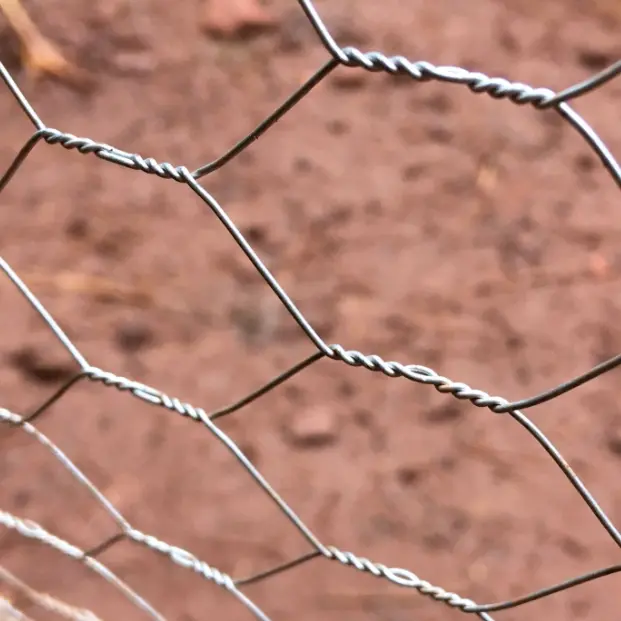
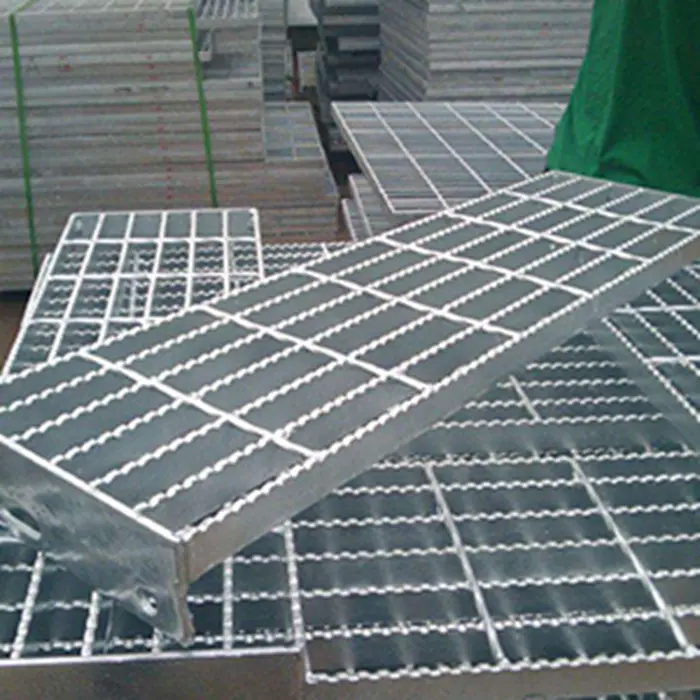
The term “thick” when referring to metal mesh isn’t a precise measurement but rather a relative descriptor. It generally indicates a heavier gauge wire used in the mesh’s construction, leading to increased strength and rigidity. This thickness is typically specified by the wire gauge (the lower the number, the thicker the wire) and the mesh count (the number of openings per inch). Thicker mesh is more resistant to bending, stretching, and cutting, making it ideal for applications where security or structural integrity is paramount. The materials commonly used include stainless steel, galvanized steel, and aluminum, each offering unique properties. For demanding projects, Fencing Wire Mesh offers a comprehensive range of thick metal mesh options tailored to specific requirements.
Key Takeaway: Thicker metal mesh equates to greater durability, security, and structural support. Choosing the right gauge and mesh count is crucial for optimizing performance in a given application.
Common Applications of Thick Metal Mesh
The applications of thick metal mesh are remarkably diverse. It's a cornerstone material in several industries, including: Security fencing (perimeter security, high-security enclosures), Industrial filtration (strainers, filters for liquids and gases), Animal enclosures (zoos, wildlife parks, farms), Construction (reinforcement mesh, façade cladding), Automotive (grilles, protective shields), and Decorative applications (architectural panels, art installations). The strength and durability of thick metal mesh ensure long-lasting performance in these varied environments. Fencing Wire Mesh provides tailored solutions for each of these industries, with customization options available to meet specific project needs.
Industry Applications:
• Security: High-security perimeter fencing
• Industrial: Filtration systems, strainers
• Agriculture: Robust animal enclosures
• Construction: Reinforcement and cladding
Thick Metal Mesh: Material Comparison
Selecting the appropriate material for your thick metal mesh application is critical. Here’s a comparison of common options:
Benefits of Using Thick Metal Mesh
Choosing thick metal mesh offers several key advantages. Firstly, its increased strength translates to enhanced durability and a longer service life, reducing replacement costs. Secondly, the robust construction provides superior security, preventing unauthorized access and protecting valuable assets. Furthermore, thick metal mesh is resistant to a wide range of environmental factors, including corrosion, UV radiation, and extreme temperatures. This makes it suitable for both indoor and outdoor applications. Fencing Wire Mesh utilizes high-quality materials and precise manufacturing processes to maximize these benefits.
Selecting the Right Supplier: Why Choose Fencing Wire Mesh?
The quality of thick metal mesh is heavily reliant on the supplier. Fencing Wire Mesh is a leading provider, committed to delivering superior products and exceptional customer service. We offer a wide range of mesh sizes, materials, and customization options to meet your specific needs. Our rigorous quality control processes ensure that every product meets the highest standards of performance and durability. With competitive pricing and reliable delivery, we are your trusted partner for all your thick metal mesh requirements.
Conclusion: Invest in Quality Thick Metal Mesh
Choosing the right thick metal mesh is crucial for ensuring the longevity, security, and performance of your project. By partnering with a reliable supplier like Fencing Wire Mesh, you can be confident you are receiving a high-quality product tailored to your specific needs. Don’t compromise on quality – invest in a solution that delivers lasting value.
Frequently Asked Questions (FAQs)
What is the typical lifespan of thick metal mesh?
The lifespan varies depending on the material, environment, and application. Stainless steel mesh generally lasts the longest, often exceeding 50 years, even in harsh conditions. Galvanized steel can last 20-30 years with proper maintenance (re-galvanizing may be needed). Aluminum can also provide decades of service. Regularly inspect the mesh for signs of damage, corrosion, or wear to ensure optimal performance and safety. Proper installation and environmental factors play a significant role in determining its longevity.
Can thick metal mesh be custom-made to specific dimensions?
Yes, absolutely! Fencing Wire Mesh specializes in custom fabrication. We can cut, bend, and weld thick metal mesh to your exact specifications, ensuring a perfect fit for your project. This includes custom sizes, shapes, and even weave patterns. Contact our team with your requirements, and we will provide a tailored solution.
How is thick metal mesh typically joined or fastened?
Several methods are used to join or fasten thick metal mesh, depending on the application. These include welding (for permanent connections), bolting or riveting (for demountable connections), and using wire ties or hog rings (for securing to frames). The choice of method depends on the required strength, durability, and aesthetic considerations. Fencing Wire Mesh can advise on the most appropriate joining method for your project.
What safety precautions should be taken when handling thick metal mesh?
Thick metal mesh can have sharp edges, so it's essential to wear appropriate personal protective equipment (PPE) such as gloves, safety glasses, and sturdy footwear. Be cautious when cutting or handling the mesh to avoid injuries. Proper lifting techniques should be used for heavier rolls to prevent strain. Always follow the manufacturer's safety guidelines and consult with a safety professional if you have any concerns.
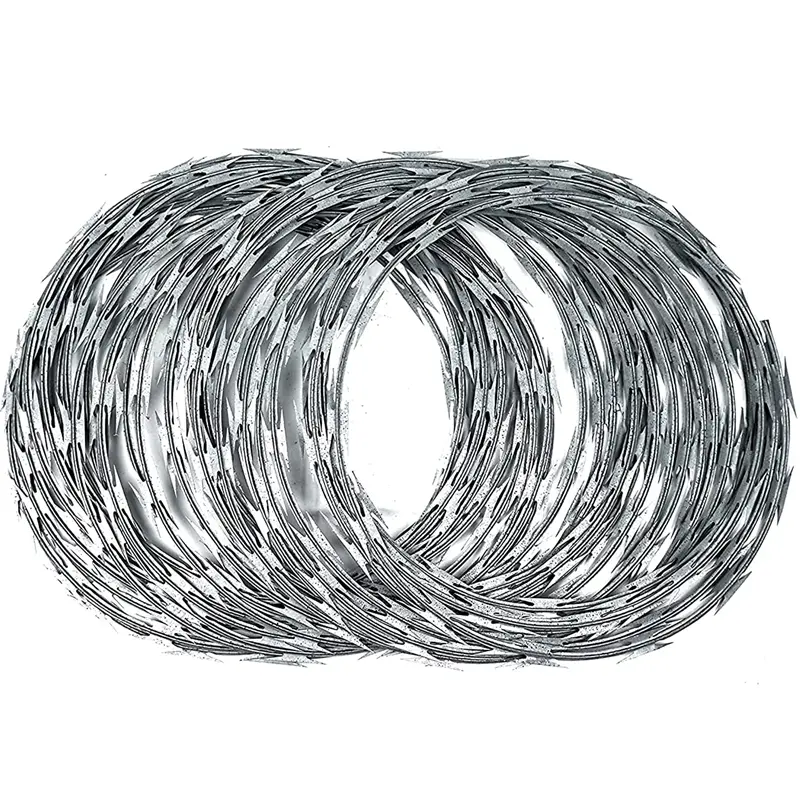
2.webp "High Quality Hot Dip Galvanized ODM Modern Barbed Wire")