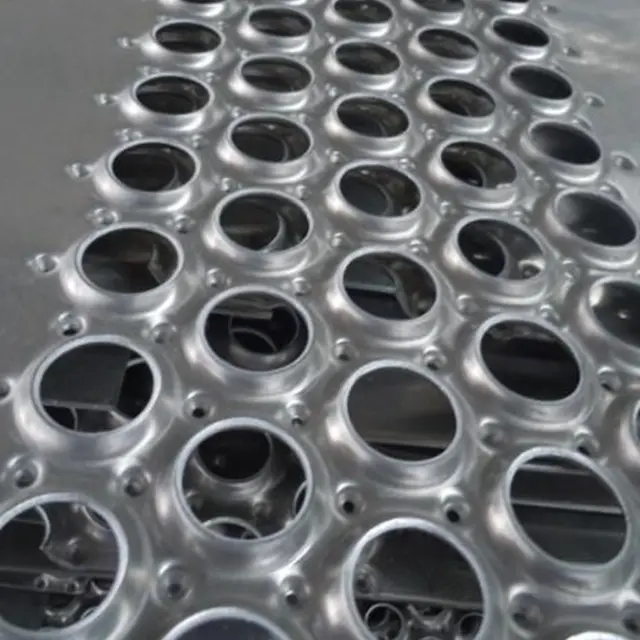

Metal Mesh for Mice: A Comprehensive Guide
Choosing the right enclosure for your mice is vital for their health, safety, and well-being. Metal mesh for mice offers a durable, secure, and ventilated solution compared to traditional plastic cages. This article will explore the benefits of using metal mesh, different types available, important considerations for selection, and how to ensure a comfortable environment for your small companions. Proper ventilation is key to preventing ammonia build-up, and metal mesh excels at providing that.
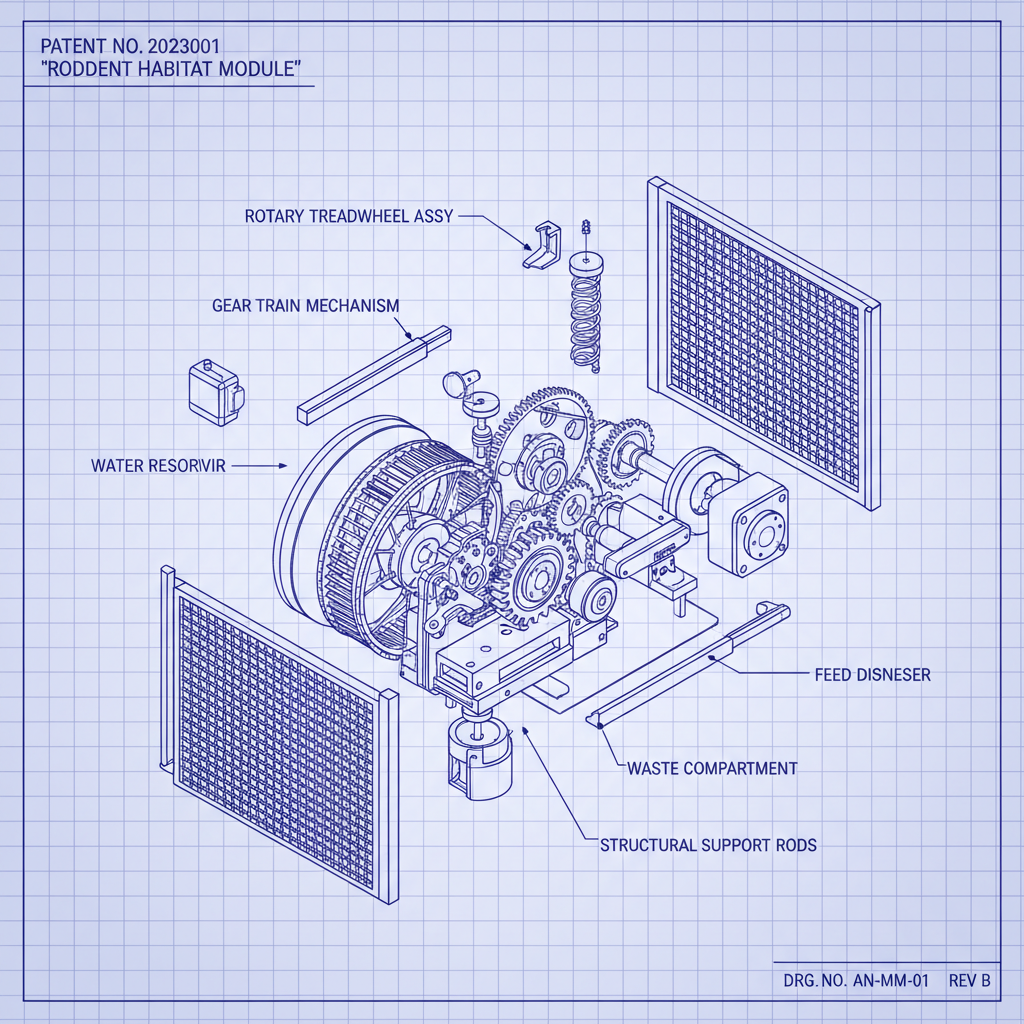
Why Choose Metal Mesh for Your Mouse Enclosure?
Metal mesh cages offer several advantages over plastic alternatives. Firstly, they provide superior ventilation, allowing for constant airflow and minimizing the build-up of ammonia from urine. This dramatically reduces the risk of respiratory infections in your mice. Secondly, metal mesh is much more durable and resistant to chewing than plastic, preventing escape attempts and ensuring the longevity of the enclosure. Finally, metal mesh allows for better visibility, enabling you to easily observe your mice’s behavior and health. It also simplifies cleaning, as waste easily passes through the mesh.
Key Benefits: Superior ventilation, durable construction, chew-resistant, better visibility, easy cleaning.
Types of Metal Mesh Available
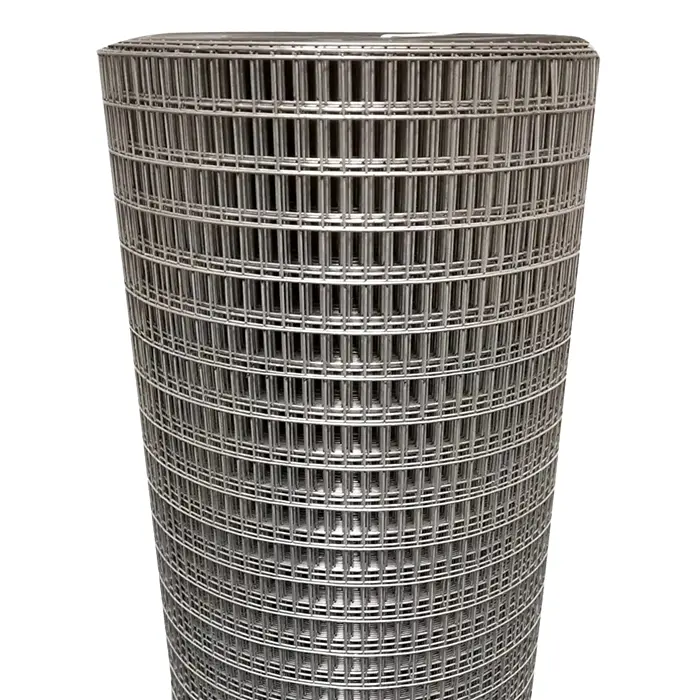
There are various types of metal mesh used for mouse enclosures, each with its own properties. Stainless steel mesh is the most durable and rust-resistant option, making it ideal for long-term use and humid environments. Galvanized mesh offers good corrosion resistance at a lower cost, but it's essential to ensure the galvanization is safe for animals. Welded wire mesh is sturdy and provides a solid barrier, while woven wire mesh offers a more flexible option. The mesh size is also crucial; smaller mesh sizes prevent escapes, especially for baby mice, while larger mesh sizes provide better ventilation.
Metal Mesh Types:
• Stainless Steel: Highest durability and rust resistance.
• Galvanized: Good corrosion resistance, cost-effective.
• Welded Wire: Sturdy and provides a solid barrier.
• Woven Wire: More flexible, good ventilation.
Metal Mesh for Mice: Size and Spacing Considerations
Selecting the right mesh size is paramount. For adult mice, a mesh size of 1/2 inch (12.7mm) is generally sufficient to prevent escapes. However, for breeding colonies or enclosures housing baby mice, a smaller mesh size of 1/4 inch (6.35mm) or even 1/8 inch (3.175mm) is highly recommended. The wire gauge (thickness) also matters – thicker wire is more durable and resistant to bending. Consider the overall dimensions of the enclosure based on the number of mice you plan to house, ensuring adequate space for movement, nesting, and enrichment.
Ensuring a Comfortable Environment
While metal mesh for mice provides a secure and well-ventilated enclosure, it’s crucial to prioritize their comfort. Provide ample bedding material (paper-based or aspen shavings are excellent choices) for nesting and burrowing. Enrichment items, such as cardboard tubes, wooden chews, and a running wheel, are essential for their physical and mental stimulation. Regular cleaning is vital to maintain a hygienic environment. Spot-clean daily and perform a full cage cleaning at least once a week.
Where to Source High-Quality Metal Mesh
Choosing a reputable supplier is critical to ensuring you receive durable, safe, and appropriately sized metal mesh. Fencing Wire Mesh specializes in providing high-quality wire mesh products for various applications, including animal enclosures. We offer a wide selection of materials, mesh sizes, and gauges to meet your specific needs. Our experienced team can also provide guidance and support to help you choose the best mesh for your mice.
Conclusion: A Safe and Comfortable Home for Your Mice
Investing in high-quality metal mesh for mice is an investment in their health and happiness. By providing a secure, well-ventilated, and stimulating environment, you can ensure your small companions thrive. Don't compromise on quality - choose a trusted supplier and prioritize your mice's well-being.
Frequently Asked Questions (FAQs)
Is galvanized mesh safe for mice?
While galvanized mesh is a cost-effective option, it’s crucial to ensure the galvanization process used is safe for animals. Some galvanization processes utilize zinc compounds that could be harmful if ingested. Look for mesh specifically labeled as animal-safe or consider stainless steel as a safer alternative. If using galvanized mesh, regularly inspect it for any signs of corrosion and replace it if necessary.
How do I clean a metal mesh cage effectively?
Cleaning a metal mesh cage is relatively straightforward. Remove all bedding and enrichment items daily. Spot-clean any soiled areas with a mild, pet-safe disinfectant. For a full cage clean, remove all contents, scrub the mesh with warm, soapy water, rinse thoroughly, and allow it to dry completely before adding fresh bedding and items. Avoid harsh chemicals or abrasive cleaners that could harm your mice.
Can mice escape through metal mesh?
While metal mesh is more secure than plastic, escapes are still possible if the mesh size is too large or if there are any gaps or weak points. Always choose a mesh size appropriate for the age and size of your mice. Regularly inspect the cage for any damage or areas where the mesh is loose. Ensure all connections are secure and that there are no sharp edges that could injure your mice.