
Understanding Wire Gauze Mesh: Applications and Benefits
Wire gauze mesh is a versatile material used across a wide range of industries, from filtration and screening to insect protection and ventilation. Its open weave structure, created by interlacing wires, provides excellent airflow while effectively blocking particles and insects. Selecting the correct wire gauze mesh is crucial for optimal performance. This article will explore the characteristics, applications, and benefits of wire gauze mesh, offering a comprehensive guide for potential users.
What is Wire Gauze Mesh?
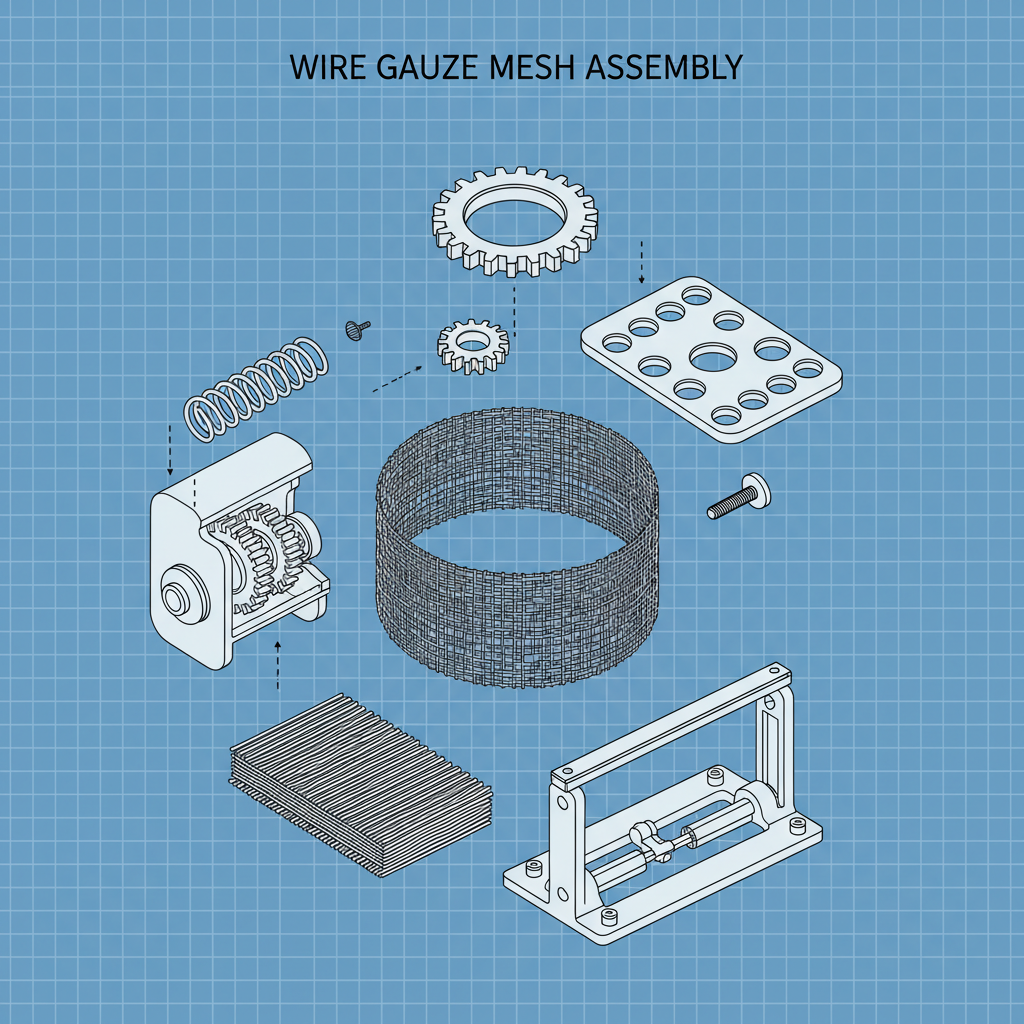
Wire gauze mesh is created by weaving metal wires in a square or hexagonal pattern. The resulting mesh provides a strong yet lightweight barrier. Common materials used in production include stainless steel, aluminum, brass, and copper, each offering distinct properties for specific applications. The “mesh count” is a critical specification, indicating the number of wires per inch – a higher mesh count means smaller openings and finer filtration.
Key Highlights: Durable, lightweight, excellent airflow, adaptable to various materials, and available in various mesh counts for different filtration needs.
Applications of Wire Gauze Mesh
The versatility of wire gauze mesh leads to its widespread adoption across numerous industries. In the HVAC sector, it's used for air filters and ventilation screens. Agriculture utilizes it for insect netting and poultry protection. Industrial applications include particle separation, fluid filtration, and guarding for machinery. Furthermore, it's a crucial component in laboratory equipment for sieving and sample preparation. Finding a reliable wire gauze mesh supplier is key to ensure consistent quality.
Common Applications:
• Air Filters & Ventilation
• Insect Screening
• Industrial Filtration
• Laboratory Sieving
Choosing the Right Wire Gauze Mesh: Material Comparison
Selecting the appropriate material for your wire gauze mesh is critical. Stainless steel offers excellent corrosion resistance and durability, making it ideal for harsh environments. Aluminum is lightweight and cost-effective, suitable for general screening applications. Brass provides good conductivity and is often used in electrical applications. Copper offers superior corrosion resistance in specific environments. Consider the operating temperature, potential exposure to chemicals, and desired lifespan when making your choice.
Factors Influencing Wire Gauze Mesh Cost
The cost of wire gauze mesh varies based on several factors. The material composition significantly impacts price, with stainless steel typically being the most expensive. Mesh count also plays a role; finer meshes require more intricate weaving processes and command higher prices. Quantity ordered is another key consideration; bulk purchases generally qualify for discounts. Finally, custom specifications, such as specific widths or coatings, will increase the overall cost. Sourcing from a reputable wire gauze mesh manufacturer can ensure competitive pricing and consistent quality.
Product Specifications and Customization
We offer a wide range of standard wire gauze mesh specifications, as well as customized options to meet unique requirements. Our standard mesh counts range from 8 mesh to 60 mesh, and we can accommodate custom mesh counts upon request. We work with various materials, including 304 and 316 stainless steel, aluminum, and brass. We also offer options for different wire diameters and weave patterns. Customization options include specific widths, lengths, and surface treatments.
Conclusion: Choosing the Right Wire Gauze Mesh for Your Needs
Investing in high-quality wire gauze mesh from a trusted supplier like us ensures optimal performance and longevity. Careful consideration of material, mesh count, and application will lead to the best results. Contact us today to discuss your specific needs and receive a customized quote.
Frequently Asked Questions (FAQs)
What is the typical lead time for custom wire gauze mesh orders?
Lead times for custom orders vary depending on the complexity of the specifications and current production volume. Generally, we aim to fulfill custom orders within 2-4 weeks. For large quantity orders or intricate designs, the lead time may be slightly longer. We provide accurate lead time estimates upon receiving your specific requirements. We strive to expedite the process whenever possible while maintaining our commitment to quality.
Can wire gauze mesh be cut to custom sizes?
Yes, we offer cutting services to provide wire gauze mesh in custom sizes. We can cut the mesh to your exact dimensions using precision equipment, ensuring clean and accurate edges. This service eliminates the need for you to perform cutting in-house, saving time and reducing waste. Please provide detailed specifications, including the desired width and length, when placing your order.
What are the benefits of using stainless steel wire gauze mesh?
Stainless steel wire gauze mesh offers exceptional corrosion resistance, making it ideal for harsh environments. It's incredibly durable and can withstand high temperatures and pressures. It’s also hygienic and easy to clean, making it suitable for food processing and pharmaceutical applications. While slightly more expensive than other materials, its long lifespan and reliability make it a cost-effective choice in the long run.
How do I determine the correct mesh count for my application?
The appropriate mesh count depends on the size of the particles you need to filter or screen. A higher mesh count indicates smaller openings, suitable for finer particles. If you're unsure, consider testing a sample of your material with different mesh counts to determine the optimal choice. Our team can also provide guidance based on your specific application requirements.