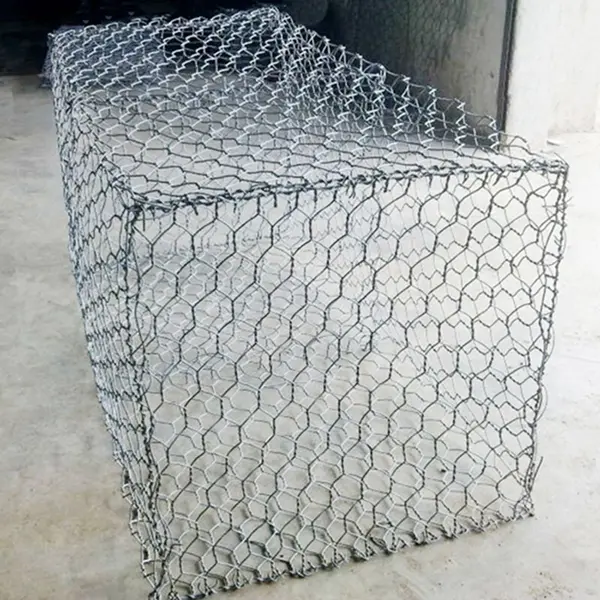

The Practical Appeal of an 8 foot chicken wire fence
Having worked in industrial equipment and fencing solutions for well over a decade, I’ve come to appreciate that fencing is often undervalued. Oddly enough, something as simple as an 8 foot chicken wire fence can be a real game changer – particularly when you need something robust but flexible, say, for agricultural or even security purposes.
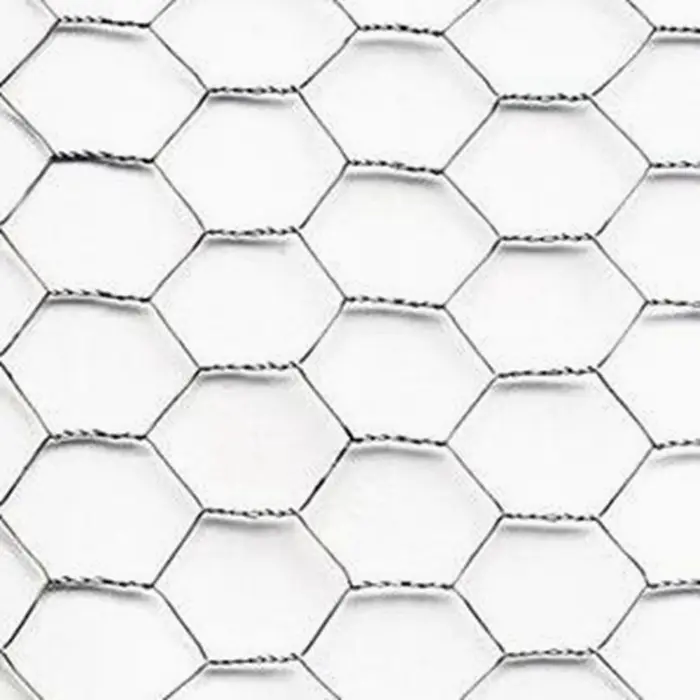
Now, when you hear “chicken wire,” the first image is usually something light and flimsy. But the eight-foot variety ups the ante substantially. It’s a taller, sturdier mesh that combines traditional poultry fence strength with the ability to keep larger critters in or, more often in my experience, out. Frankly, it feels like the best of both worlds—durability without the bulkiness of heavier steel fences.
Most manufacturers produce this fence with galvanized or PVC-coated steel, which means it holds up well against rust and weathering. I've seen steel meshes tested for tensile strength to ensure the wire doesn’t sag or snap under pressure. It’s not just about keeping chickens — a lot of farmers and landowners use this fencing to protect gardens, secure small animal enclosures, or even to mark boundaries in less obvious terrain.
| Specification | Details |
|---|---|
| Height | 8 feet (96 inches) |
| Material | Galvanized steel or PVC-coated wire |
| Mesh size | Typically 1" to 2" hexagonal openings |
| Wire gauge | 16 to 19 gauge, depending on supplier |
| Roll length | 50 to 100 feet standard |
| Finish | Galvanized, PVC-coated, or powder coated |
I usually recommend talking to suppliers about customization. Say a client needs a specific coating for tropical climates, or a bigger mesh for ventilation but still high enough to deter predators. It’s fairly common to get a slightly tweaked product — maybe a heavier gauge gauge wire or a UV-resistant coating — that can last in harsh outdoor settings without constant upkeep. You know, that sort of practical flexibility that those of us in the industry look for.
Speaking of suppliers, here’s a quick comparison of some typical vendors I’ve encountered over the years. Each has its own strengths depending on "value," "durability," and "customer support," which frankly can make or break your fencing project.
| Vendor | Product Range | Typical Wire Gauge | Price Level | Customer Service |
|---|---|---|---|---|
| WireMesh Co. | Standard & Custom PVC | 16 - 18 gauge | Medium | Responsive & Helpful |
| AgriFence Ltd. | Heavy-Duty Options | 14 - 16 gauge | High | Good, but slower |
| FarmSafe Mesh | Budget Friendly | 18 - 19 gauge | Low | Basic support |
To get a little anecdotal... I once worked with a small business owner who used an 8 foot chicken wire fence to keep wild dogs out of her free-range chicken coop in rural Georgia. She told me that upgrading to the taller gauge PVC-coated wire fence was a relief – fewer broken wires, less worry at night, and easily scaled for future expansion. Stories like these make it clear that, in real terms, the fence isn’t just about wire mesh — it’s about peace of mind.
If you’re considering an 8 foot chicken wire fence for your project, don’t overlook the importance of quality materials and a trusted supplier. It might feel like just wire, but is the difference between a stopgap solution and a dependable perimeter.
In conclusion, the humble chicken wire fence, especially at 8 feet high, is surprisingly versatile and practical. It’s often the silent workhorse of the fencing world.
— A reflection from years in the field, watching simple solutions stand tall.
References:
- Industry standard fencing manuals, Fencing Wire Mesh Corp., 2022
- Agricultural fencing durability research, Journal of Rural Engineering, 2021
- Customer case studies, WireMesh Co., 2019–2023