
Diamond Shape Steel Mesh: Durable, Flexible, and Versatile
Having spent many years working in industrial equipment—and honestly, around a lot of steel mesh—it’s clear to me that diamond shape steel mesh holds a special place in so many applications. Whether you’re guarding a factory line or reinforcing a structure, this material often arrives as an unsung hero.
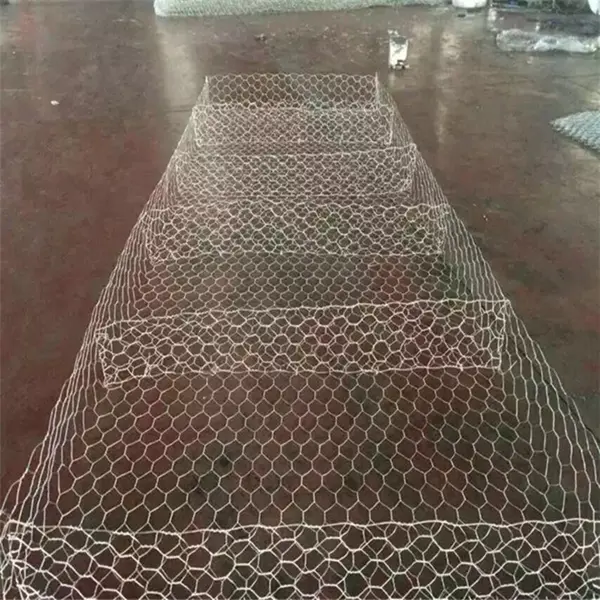
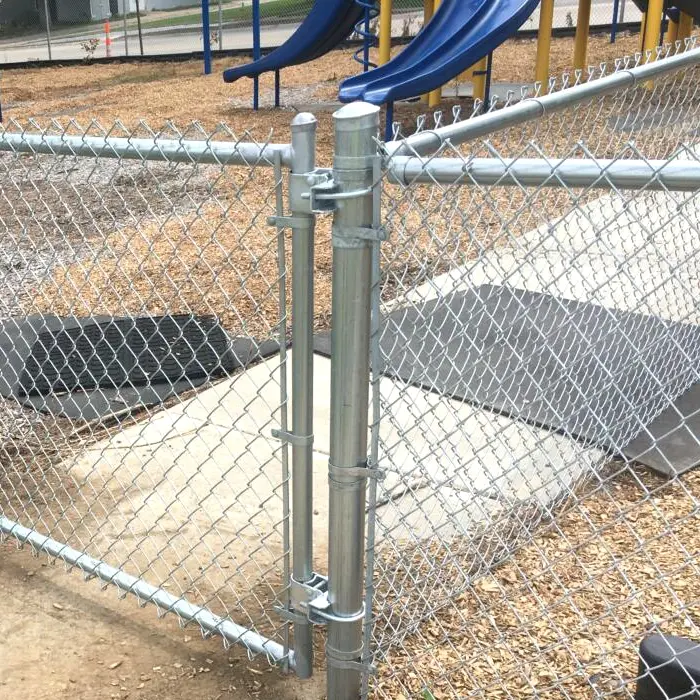
Now, diamond-shaped mesh isn’t just about aesthetics, even though the pattern certainly has an industrial charm. The distinctive diamond openings provide a fantastic balance: strength without unnecessary weight, plus good airflow and visibility. Frankly, it makes you wonder how such a simple pattern became so wildly popular.
Over the years, I’ve witnessed a range of qualities—from ambitious premium grades to budget cuts that frankly made me cringe. But the best manufacturers focus on material quality and precise weaving techniques to ensure mesh that lasts. It’s not all just wire; it’s about the steel type, coating, and how those diamonds interact under pressure or vibration.
Material and Design Considerations
Typically, diamond shape steel mesh is made from low-carbon steel or stainless steel, depending on where it’s going to be used. For outdoor environments or harsh chemicals, galvanized or coated mesh is common. I remember a client in the chemical sector who needed corrosion resistance and mechanical strength. They swore by the galvanized stainless meshes—they just lasted way longer without costing a ton more upfront.
Its design lets it flex just enough without breaking, which you know is crucial. And oddly enough, many engineers appreciate the diamond pattern because it helps distribute stress evenly across the mesh. Those tiny details often make a big difference in heavy-duty environments.
| Specification | Details |
|---|---|
| Material | Low-carbon steel, Stainless steel, Galvanized steel |
| Mesh Opening | Commonly 10mm to 50mm (variable) |
| Wire Diameter | 1.2mm to 4mm |
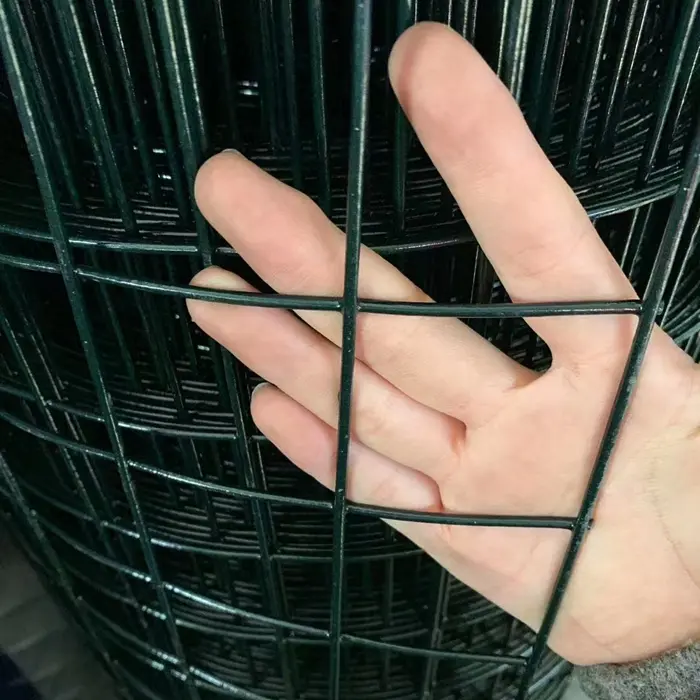
| Coating | Galvanized, PVC coated, Powder coated |
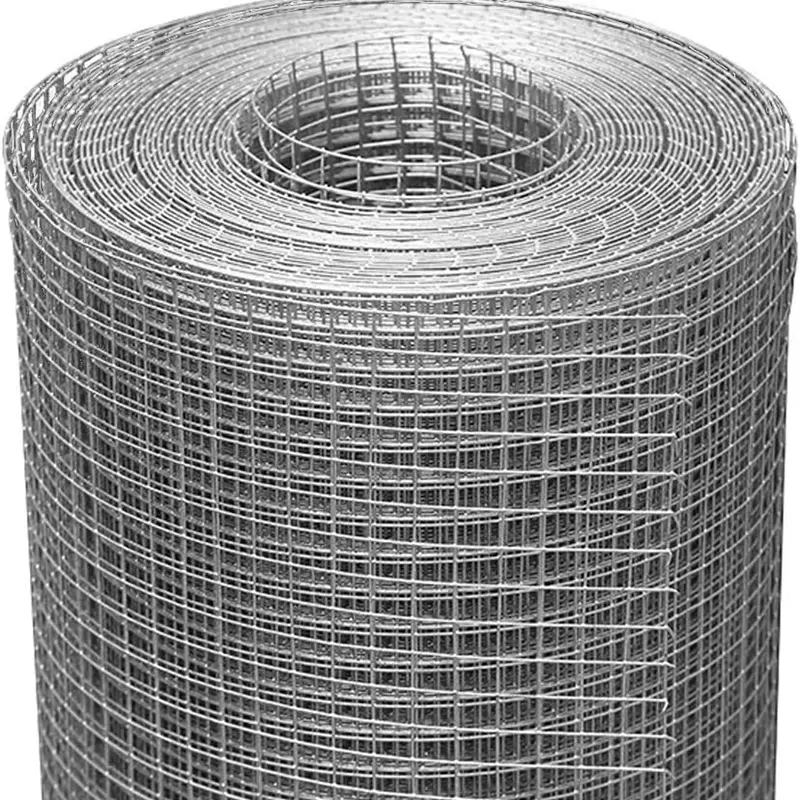
| Roll Dimensions | 1m to 2m width, 20m standard length |
| Tensile Strength | 380-620 MPa (depending on steel grade) |
Vendor Comparison: What You Should Consider
Picking a supplier for diamond shape steel mesh isn’t as straightforward as just price per roll. I noticed over the years, the most reputable vendors tend to align on quality certifications, offer customization, and stand behind their products with proper support. Here’s a quick rundown from the typical market leaders I’ve dealt with:
| Vendor | Quality | Customization | Lead Time | Typical Price Range |
|---|---|---|---|---|
| Vendor A | ISO certified, Galvanized options | Wire diameter, mesh size | 1-2 weeks | $$$ |
| Vendor B | Standard quality, good coatings | Standard sizes only | 3-4 weeks | $$ |
| Vendor C | Premium grade steel, powder coating | High customization, fast prototyping | 1 week | $$$$ |
One particularly memorable project comes to mind—involving a local agricultural firm that needed fencing mesh with exceptional durability but also a bit of flexibility for uneven terrain. After testing a few options, diamond mesh from a mid-tier supplier ended up winning the day. It wasn’t the most expensive, but it struck the right balance that the farmers appreciated so much they reordered multiple times. Stories like that remind me how practical considerations often outweigh flashy specs alone.
In real terms, diamond shape steel mesh is sort of a silent staple. You don’t always notice it, but when properly chosen, it never lets you down. For anyone new to this material, I’d suggest focusing on actual job conditions and supplier support above all.
Oh, and if you’re curious to explore options, you might want to check out this diamond shape steel mesh selection—they have a solid range backed by years of industry feedback.
Ultimately, it’s a deceptively simple component with a big role to play, and that’s why I keep coming back to it. It reminds me that sometimes, reliability isn’t about flashy new tech — it’s about the mesh holding steady, under pressure, day in and day out.
Thanks for reading; hope this sheds some light on a product that’s quietly shaping the industrial landscape.
References:
1. "Steel Mesh Properties and Uses", Industrial Wire Journal, 2022.
2. Case Study: Chemical Plant Safety Fencing, Corrosion Resistance Insights, 2023.
3. Agricultural Fencing Innovations, FarmTech Review, 2021.