
Steel Mesh Diamond: Durable Versatility for Industrial Use
Having spent years knee-deep in the industrial equipment sector, I can say one thing with some certainty: the steel mesh diamond pattern remains a classic for a reason. It’s not just about looks — though the geometric repeat of those diamond-shaped apertures is quite pleasing to the eye — but more so how it’s engineered and performs in a range of demanding environments.
Oddly enough, when I first started working with wire mesh products, I underestimated the importance of mesh geometry. It sounded straightforward — just woven steel wires, right? But the diamond pattern offers unique benefits that you won’t get with square or rectangular meshes. The open spaces balance strength with airflow, and if you think about it, that tradeoff is what many industries need most.
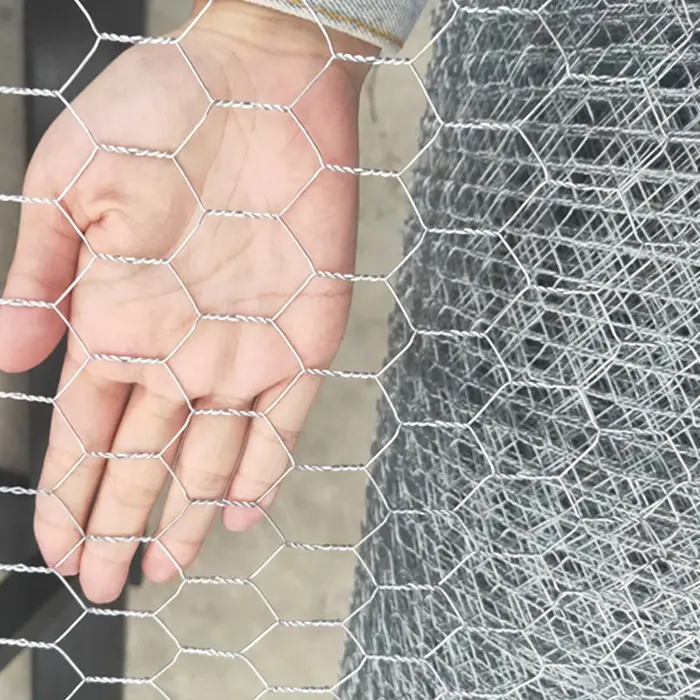
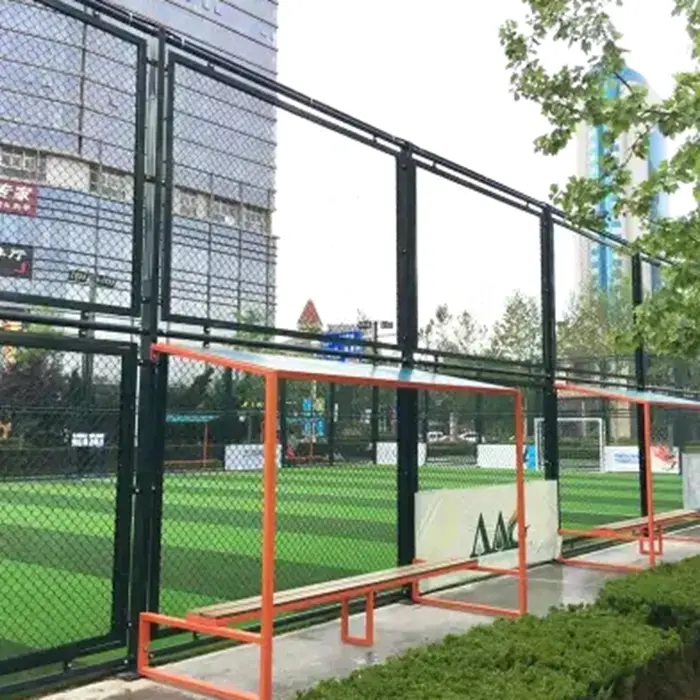
The material is typically galvanized carbon steel or stainless steel. Galvanized options resist corrosion effectively outdoors, while stainless steel adds durability in harsher chemical or marine environments. The wires are usually woven or welded. The woven variety tends to be more flexible, which is ideal for applications like fencing or reinforcement. On the other hand, welded diamond mesh delivers higher rigidity — perfect when you need security or heavy load support.
Testing these products is where things get technical but quite fascinating. Tensile strength, elongation, and corrosion resistance are all examined to ensure the mesh can handle stress without failing prematurely. Many engineers I’ve consulted over the years swear by ASTM standards for evaluating mesh quality — something every serious buyer should insist on.
In real terms, industries from construction to agriculture rely heavily on these meshes. They reinforce concrete, protect machinery, screen debris, and ensure employee safety in hazardous zones. I recall a supplier telling me about a farmer who saved significant costs by switching to a heavier gauge diamond mesh to secure livestock — less damage, fewer replacements. Those kinds of practical stories always stick with me.
Today’s steel mesh diamond products can be customized for wire diameter, aperture size, and finish. It’s kind of like ordering a tailored suit, but for metal sheets. You specify what you need and get it delivered for optimal performance. If you have specific environmental or load requirements, always communicate them clearly to your vendor — they usually have a catalog of tested configurations.
| Parameter | Range / Values | Notes |
|---|---|---|
| Wire Diameter | 0.7 mm – 6 mm | Varies by load requirements |
| Aperture Size | 10 mm – 100 mm | Typical diamond opening space |
| Material | Galvanized Steel / Stainless Steel | Corrosion & wear resistant options |
| Finish | Hot-dip galvanizing / Powder Coating | Depending on environment |
| Mesh Type | Woven / Welded | Flexibility vs rigidity |
When sourcing steel mesh diamond, you’ll notice multiple vendors with overlapping offerings. Here’s a quick comparison, from my experience, to help clarify the options:
| Vendor | Material Quality | Customization | Price Range | Lead Times |
|---|---|---|---|---|
| SteelWireCo | High-grade stainless | Broad (wire sizes, finishes) | $$$ | 4-6 weeks |
| MeshMasters | Galvanized carbon steel | Medium (standard specs) | $ | 2-3 weeks |
| DiamondSteelSupply | Mixed quality, verify batch | Low | $ | 1-2 weeks |
Frankly, I’ve always leaned toward vendors with certified quality controls, even if their prices are a bit higher. In critical industrial settings, cutting corners on material quality often leads to headaches – and costly downtime.
To wrap things up, if you’re in the market for steel mesh diamond, it really pays off to take a moment and consider your exact needs. Do you prioritize flexibility? Corrosion resistance? Lead time? These answers steer you to the right supplier and product spec.
In the end, steel mesh diamond remains a workhorse in countless industrial projects for good reasons — a balance of strength, versatility, and cost-efficiency that you just don't find easily elsewhere.
References:
1. ASTM International standards on wire mesh testing
2. “Industrial Wire Mesh Applications” by A. Jensen, 2019
3. Interviews with supply chain managers in industrial fencing, 2022