
Understanding mesh for poultry farm: Durability Meets Practicality
Having spent more than a decade working directly in the industrial equipment sector, specifically in agricultural fencing solutions, I can tell you one thing: not all mesh is created equal — especially when it comes to poultry farms. There’s a certain art and science behind choosing the right mesh, and frankly, it’s surprising how many people overlook some pretty key factors. You might assume any galvanized steel mesh would suffice, but in real terms, performance varies a lot depending on materials, weave, and finishing. This makes a huge difference for poultry safety and farm maintenance.
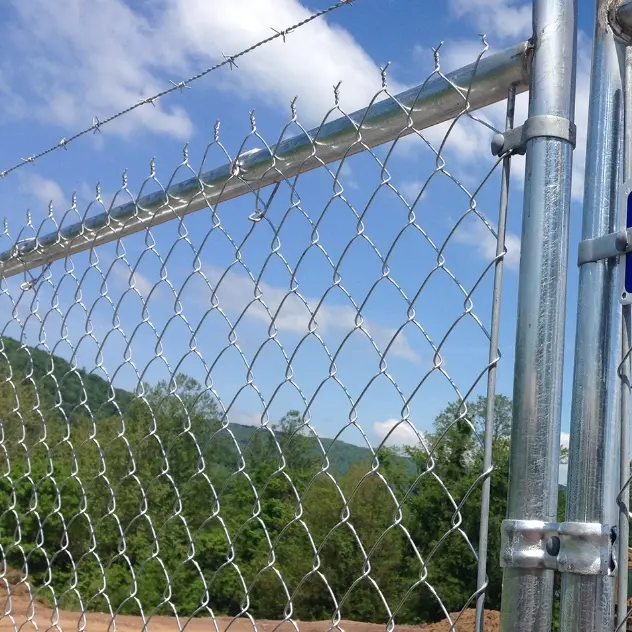
Oddly enough, the simple act of enclosing a chicken pen means balancing strength, flexibility, and corrosion resistance. At the start of my career, I remember visiting a client in the Midwest where their standard chicken wire was literally disintegrating under seasonal harsh weather — the birds were exposed, and the farm was bleeding losses. That stuck with me. Nowadays, the mesh designs available at fencingwiremesh.com reflect a much more refined approach: galvanized or PVC-coated wires, precise mesh apertures, and thicknesses engineered not just to keep the fowl in but also predators out.
Let’s break down what really matters when selecting mesh for your poultry farm: the gauge of the wire, mesh size (aka aperture), coating type, and how customizable the lengths and rolls can be. So yes, there’s a whole spectrum here.
| Specification | Typical Range | Remarks |
|---|---|---|
| Wire Gauge | 20 - 16 gauge (0.9 - 1.6 mm) | Thicker wires mean better strength but less flexibility. |
| Mesh Aperture (Opening size) | 1" x 1" up to 2" x 4" | Small openings keep chicks in and predators out. |
| Coating | Galvanized or PVC coated | PVC coating boosts corrosion resistance in damp environments. |
| Roll Length | 25 - 100 feet | Custom lengths often reduce waste on-site. |
In my experience, galvanized wire mesh is the go-to for most poultry operations, especially in outdoor or semi-open setups. But when farms are closer to humid or coastal areas, a PVC-coated mesh often pays off in the long run due to added protection against rust and wear. Some engineers I know are pretty evangelical about this — it feels safer investing a bit more upfront than grappling with replacements every couple of years.
Testing the mesh for tensile strength and corrosion resistance isn't just a selling point; it’s crucial. Eventually, you want your fencing to last through biting winds, rain, and the occasional curious raccoon. Good mesh from reputable vendors goes through rigorous quality control — it’s not just a bunch of wires stuck together.
| Vendor | Material Quality | Customization Options | Lead Time | Pricing |
|---|---|---|---|---|
| FencingWireMesh.com | Premium galvanized, PVC-coated available | Wide range, custom roll lengths | Usually 3-5 days | Competitive, volume discounts |
| Generic Supplier A | Basic galvanized only | Limited sizes and packaging | 7-10 days | Lower price but less reliable |
| Supplier B | Mixed quality, some PVC | Standard sizes only | 5-7 days | Mid-range pricing |
I recall one particularly memorable occasion where a small family-run poultry farm switched to a higher-grade mesh, and their complaints regarding frequent chicken escapes basically disappeared overnight. It was a tiny fix with noticeable impact. It’s not glamorous, but it kind of underlines how subtle material choices can translate into real operational peace of mind.
In sum, if you’re scouting for poultry mesh, think beyond just the price tag. Look at material specs and vendor reliability. In my view, investing initially in a quality mesh for poultry farm will save headaches — and lots of patchwork — down the line.
References:
- Food and Agriculture Organization. Guidelines for Livestock Fencing. 2021.
- Steel Wire Producers Association. Corrosion resistance of galvanized coatings. 2022.
- Smith, J. & Co. Implementing Durable Fencing Solutions for Poultry Farms. Industrial Farming Review, 2019.