
Galvanized Hexagonal Mesh: A Workhorse in Industrial Applications
Having spent over a decade in the industrial equipment sector, I’ve seen quite a few materials come and go. But galvanized hexagonal mesh remains a mainstay — and for good reason. There’s a kind of quiet reliability to it, an unassuming workhorse quality. Whether you’re fencing in livestock, reinforcing concrete, or even dealing with erosion control, this stuff stands firm under pressure.
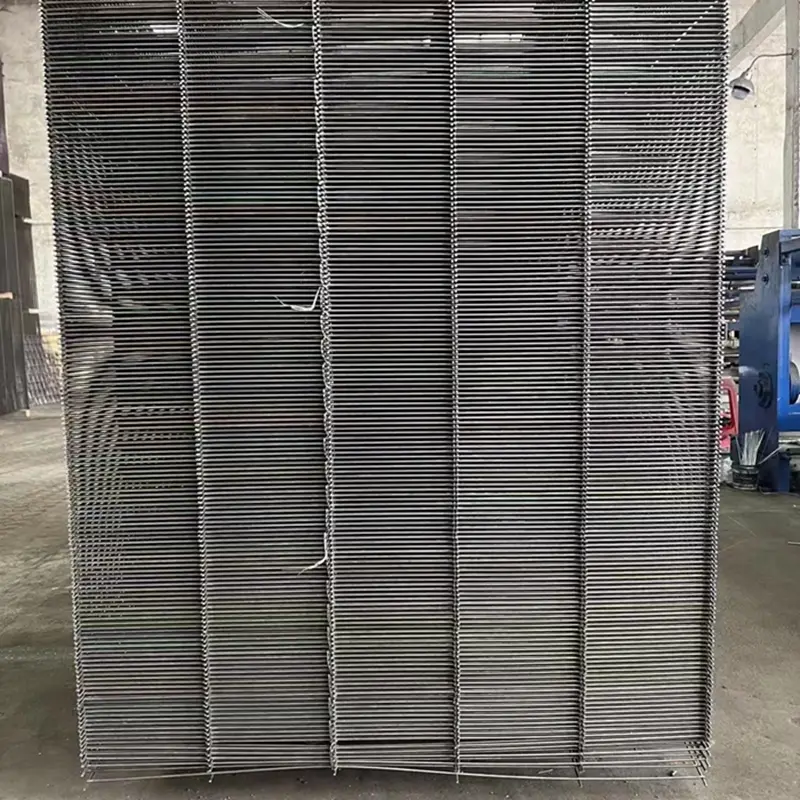
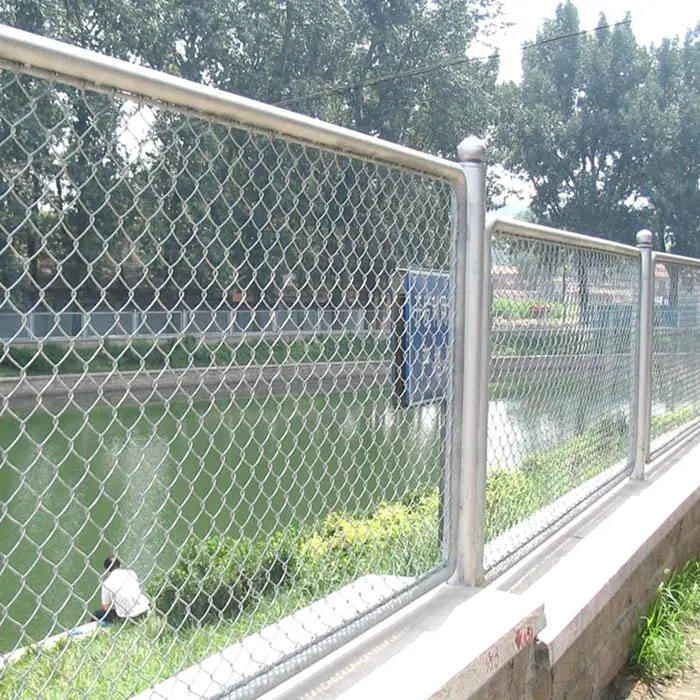
Oddly enough, what really drew me to galvanized hexagonal mesh in the early days was its material versatility. The galvanized coating, typically zinc, offers excellent corrosion resistance — much better than plain steel, frankly. This means the mesh keeps its strength over time, even in damp or corrosive environments. I recall a project where galvanized mesh fenced off a riverbank; years later, the mesh looked almost new, despite constant exposure to rain and soil chemicals.
In real terms, the distinctive hexagonal pattern isn’t just for aesthetics. That shape distributes mechanical stress more evenly across the mesh, which helps avoid deformation. Many engineers say it’s the hexagonal arrangement that gives it an edge over square or rectangular meshes for certain uses. I’ve noticed it performs well under crushing loads too, which comes in handy when dealing with rocky or uneven terrains.
Typical Product Specifications
| Specification | Details |
|---|---|
| Material | Low carbon steel, galvanized coating (zinc) |
| Wire Diameter | 0.5 mm to 2.5 mm |
| Mesh Opening Size | 10 mm to 50 mm (across flats) |
| Coating Thickness | 40-60 g/m² zinc (typical) |
| Roll Width | 0.5 m to 2 m |
| Roll Length | 10 m to 30 m |
Customization is a fairly common request in this space. Wire diameter, mesh size, and coating thickness can be adjusted depending on the project demand — an aspect I found especially useful when working alongside agricultural clients who had specific fencing requirements. There’s also the choice between hot-dip galvanizing and electro-galvanizing, each with its own pros and cons regarding corrosion resistance and finish quality. Hot-dip tends to be thicker and tougher but a bit rougher to the touch, while electro-galvanized wire is smoother but with a thinner coating.
Vendor Comparison: What Sets Suppliers Apart?
| Attribute | Vendor A | Vendor B | Vendor C |
|---|---|---|---|
| Galvanizing Method | Hot-dip | Electro-galvanized | Hot-dip |
| Max Wire Diameter | 2.5 mm | 1.8 mm | 2.0 mm |
| Standard Roll Width | 1.2 m | 1.0 m | 2.0 m |
| Lead Time | 2 weeks | 1 week | 3 weeks |
| Typical Applications | Agriculture, erosion control | Construction, fencing | Industrial screening, fencing |
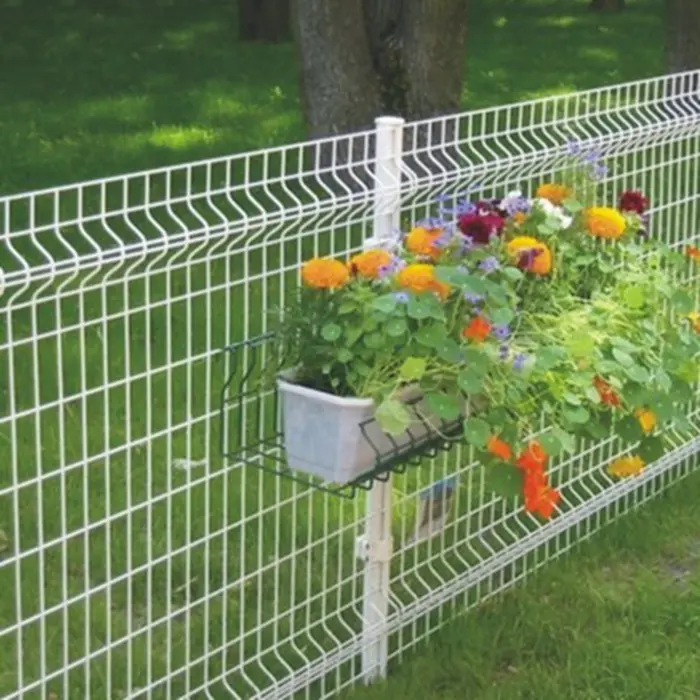
One honest-to-goodness story I like to share happened on a farm where the farmer’s fencing kept getting chewed up by local wildlife. After upgrading to a galvanized hexagonal mesh fence, the damage dropped significantly. The zinc coating seemed to deter animal gnawing and rust formation clogged their efforts. It’s always satisfying to see a product make a tangible difference, especially when it improves someone’s day-to-day work feeding a community.
In sum, if you’re in the market for durable, flexible, and cost-effective mesh material, galvanized hexagonal mesh really hits the mark. Its proven performance in harsh environments keeps it relevant — and frankly, it’s something I’d recommend regardless of your industry. And if you’re looking for quality and variety, this supplier is one I’ve worked with and trust.
That said, it’s always smart to match the mesh characteristics to your project. Don’t just buy off-the-shelf without checking what gauge and coating thickness fit your use case best — a small oversight can snowball in cost and downtime.
Anyway, it feels like galvanized hexagonal mesh will be around for a while yet — and I for one don’t plan on retiring it any time soon.
References:
1. ISO Standards for galvanized coatings
2. “Wire Mesh in Industrial Applications,” Journal of Materials Engineering
3. Personal field experience in agricultural fencing projects (2010–2023)