
Understanding iron chicken wire mesh: A Veteran’s Take
Having spent more years than I dare to count in the industrial equipment field, I’ve come to appreciate materials that are simple but reliable. Among those, iron chicken wire mesh stands out as a sturdy, practical solution in countless scenarios — whether for agricultural fencing, small animal enclosures, or even rustic décor elements. Oddly enough, its humble design masks a host of engineering nuances that make it surprisingly versatile.
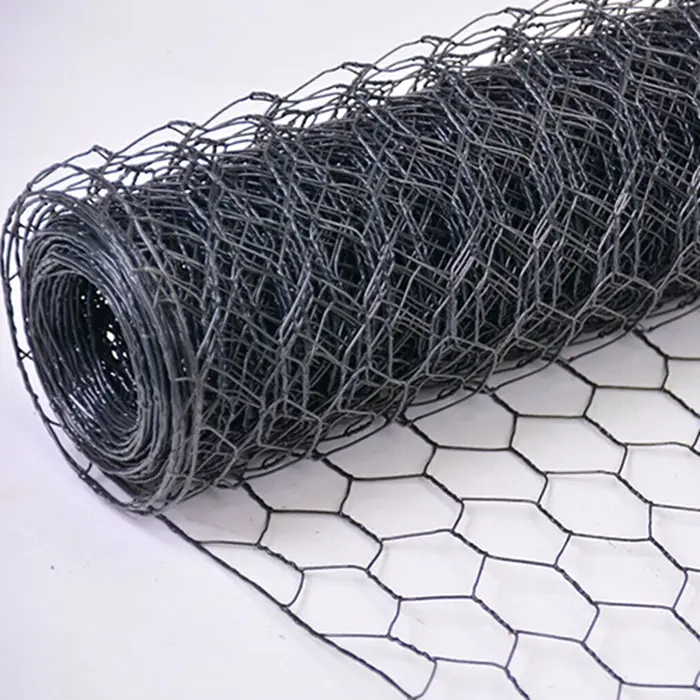
You might picture chicken wire as just a flimsy hexagonal wire fence, which isn’t entirely off. But when you make it out of iron rather than the usual galvanized steel or aluminum, things shift. For starters, iron wire mesh tends to have a noticeably heavier feel — and that means greater durability in tough environments, especially where corrosion resistance is less critical or where coatings can be added. In real terms, I noticed even some long-time engineers underestimate just how tough this stuff gets after proper treatment.
Let’s break down what makes iron chicken wire mesh stand out:
| Specification | Details |
|---|---|
| Material | Mild iron, often cold drawn |
| Wire Diameter | Typically 0.8mm to 2.0mm |
| Mesh Size | Hexagonal holes, 12mm to 25mm across |
| Coating | Often painted or powder coated for rust resistance |
| Usage | Fencing, cages, reinforcement, craft |
What’s charmingly practical about iron chicken wire mesh is how customizable it is. You can get finer gauges if you’re after delicate enclosures or thicker wires for rugged containment. One project we consulted on involved enclosing outdoor vintage machinery, where the rust resistance — thanks to a special zinc-rich coating — was essential but the wire still needed that authentic iron aesthetic. The end client was thrilled with the blend of function and style.
Of course, it’s not without its quirks. Iron wire mesh weighs more than galvanized alternatives and requires periodic maintenance if left uncoated outdoors. I recall one farm where the farmer proudly made his own panels, weaving mesh with iron wire because he found it held up better to livestock kicking at it. That kind of hands-on recognition of material performance? Priceless.
Now, you might wonder which vendors actually hold the crown in delivering reliable iron chicken wire mesh. Let me share a quick rundown based on both supplier offerings and customer feedback I've observed over the years:
| Vendor | Quality | Customization | Price | Lead Time |
|---|---|---|---|---|
| SteelPro Fencing Co. | High - Consistent wire gauge & coating | Wide range of sizes & finishes | Mid to Premium | 2-3 weeks |
| IronMesh Global | Good - Mostly standard gauges | Limited customization | Affordable | 1-2 weeks |
| FencingWireMesh.com | Very High - Durable, well-coated iron wire | Custom orders accepted | Competitive | 1-2 weeks |
I want to highlight iron chicken wire mesh from FencingWireMesh.com, because they’ve routinely delivered for clients I’ve worked with. Their balance of quality and affordability – frankly – stands out in a market that can sometimes overpromise and underdeliver. Besides, ordering directly from a trusted vendor streamlines the whole project timeline.
In all fairness, while iron isn’t the flashiest metal out there, it’s earned its keep through centuries. It’s dependable, repairable, and just plain honest. Whether you’re enclosing your backyard flock or setting up an industrial cage, consider iron chicken wire mesh as the steady workhorse it often is.
If you ever wondered what the industrial folks really think of iron wire mesh — well, it’s all about practicality layered with a touch of old-school grit.
Quick takeaway: Don’t underestimate iron chicken wire mesh just because it looks simple — it’s a versatile workhorse history and experience have time-tested.
- “Wire Mesh Handbook,” Industrial Materials Press, 2018.
- Farm Equipment Journal, “Fencing Solutions for Livestock,” 2021.
- Field Interview with FencingWireMesh.com Sales Rep, 2023.