
Understanding the Benefits of a Private Chain Link Fence
A private chain link fence offers a blend of security, affordability, and practicality for residential and commercial properties. This durable fencing solution provides a clear boundary while maintaining visibility. Choosing the right chain link fence, however, requires careful consideration. This article will explore the benefits, types, installation, and maintenance of private chain link fences, providing a comprehensive guide for property owners. Investing in a quality chain link fence enhances security and adds value to your property.
The Key Advantages of Chain Link Fencing
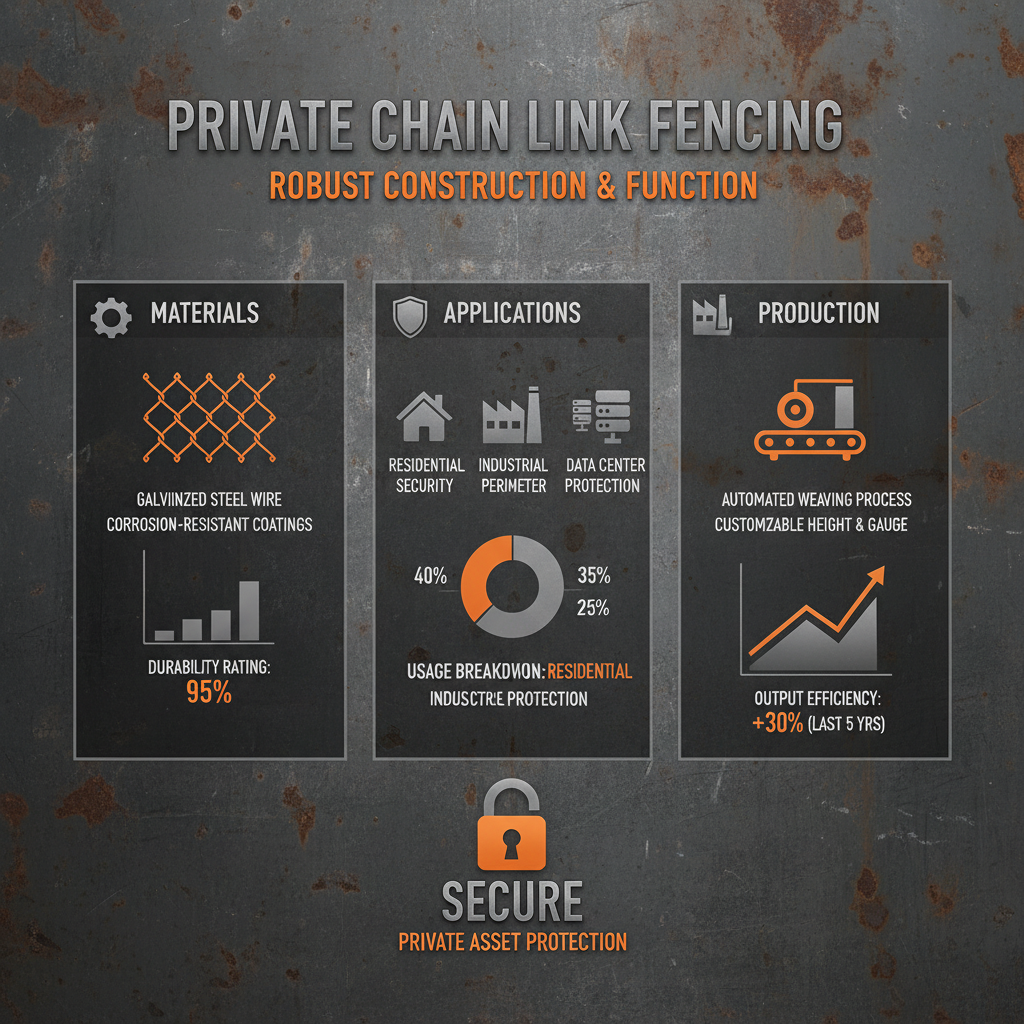
Chain link fencing boasts several key advantages. It's remarkably cost-effective compared to other fencing materials like wood or wrought iron. Its open weave allows for excellent visibility, which is crucial for security and monitoring. The material is also incredibly durable and requires minimal maintenance, making it a long-lasting investment. Chain link fences are highly versatile and can be customized with different heights, gauges (wire thickness), and finishes. Finally, they're relatively easy to install, which can save on labor costs. For properties seeking a secure yet unobtrusive boundary, a chain link fence presents an ideal solution.
Key Highlights: Cost-effective, excellent visibility, durable, low maintenance, versatile, and easy to install.
Choosing the Right Chain Link Fence: Gauge and Height
The gauge and height of your chain link fence are critical considerations. Gauge refers to the thickness of the wire – lower numbers indicate thicker, more durable wire. For residential use, a 9-gauge or 11-gauge fence is common, while heavier 6-gauge or 8-gauge is suitable for high-security applications or commercial properties. Height typically ranges from 4 to 8 feet, depending on your security needs and local regulations. Higher fences provide greater security but may obstruct views. Consider your property's specific requirements and choose a combination of gauge and height that meets your needs.
Gauge & Height Considerations:
• Lower Gauge = Thicker Wire = More Durable
• 9-11 Gauge: Standard Residential Use
• 6-8 Gauge: High Security/Commercial Use
• 4-8 Foot Height: Varies Based on Security & Regulations
Private Chain Link Fence Options: Coatings and Finishes
While galvanized steel is the standard material for chain link fencing, several coatings and finishes enhance its appearance and longevity. Common options include: Vinyl-coated chain link, which offers a colorful and corrosion-resistant finish. Galvanized chain link with a powder coating for added durability and aesthetic appeal. Aluminum chain link, a lightweight and rust-proof option, although generally more expensive. The choice of coating depends on your budget, climate, and desired aesthetic. Vinyl-coated options are particularly popular for residential applications, providing both security and a visually appealing barrier. Consider the long-term benefits of corrosion resistance when making your selection.
Installation Considerations for Your Chain Link Fence
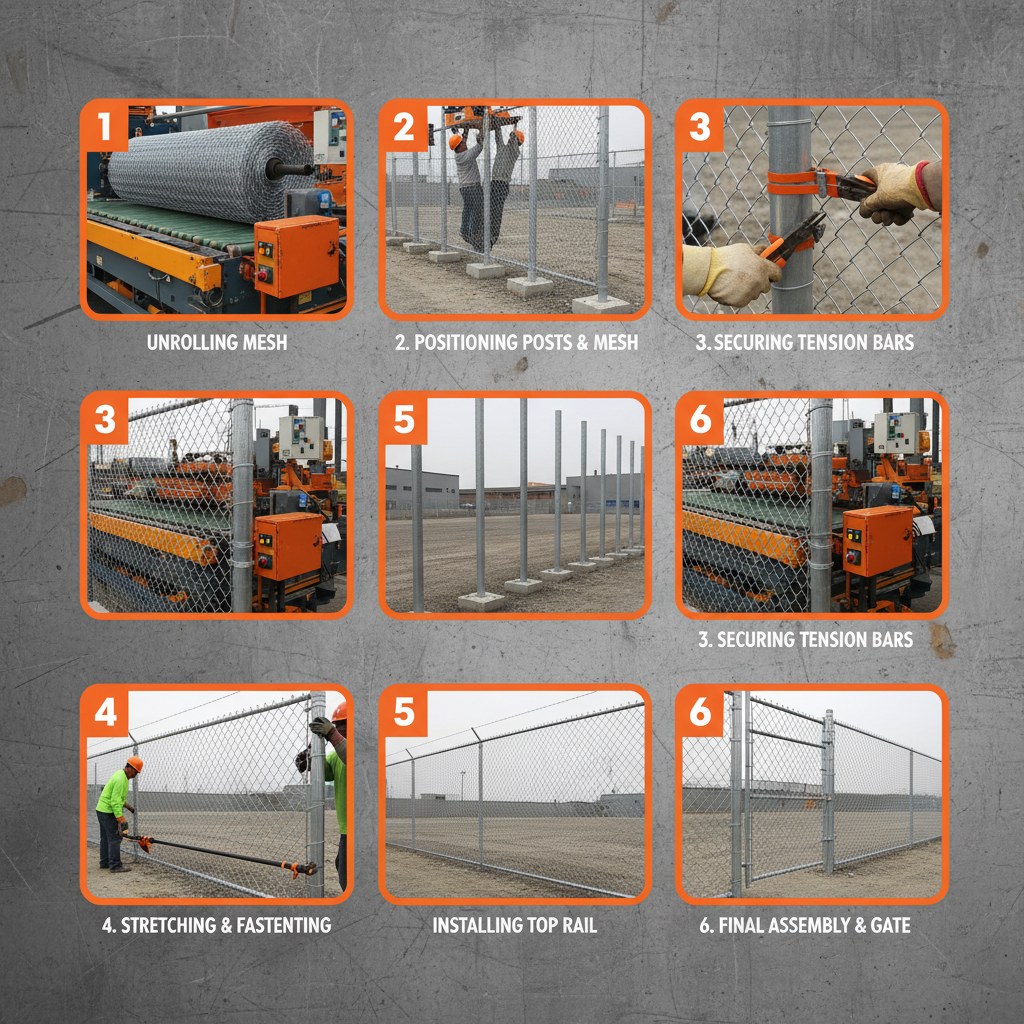
Proper installation is crucial for the longevity and effectiveness of your chain link fence. This typically involves setting posts in concrete, attaching the fabric (chain link mesh) to the posts using tension bands and braces, and ensuring proper gate installation. While DIY installation is possible, it’s often best to hire a professional fencing contractor to ensure a secure and code-compliant installation. Factors like soil conditions, post spacing, and proper tensioning require expertise to avoid issues like sagging or instability. A professional installation will also ensure the fence aligns with property lines and complies with local regulations.
Maintaining Your Chain Link Fence for Years to Come
Chain link fences require minimal maintenance, but regular inspections and upkeep can significantly extend their lifespan. Periodically check for rust, especially on galvanized components. Remove any vegetation growing on or around the fence, as it can accelerate corrosion and damage the fabric. Tighten any loose tension bands or hardware. For vinyl-coated fences, clean them with mild soap and water to remove dirt and grime. Addressing minor issues promptly will prevent them from escalating into more significant and costly repairs. A well-maintained chain link fence will provide years of reliable security and aesthetic appeal.
Conclusion: A Secure and Practical Fencing Solution
Investing in a private chain link fence offers a cost-effective and reliable solution for security and boundary demarcation. By considering factors like gauge, height, coating, and installation, you can ensure a long-lasting and visually appealing fence that meets your specific needs. With minimal maintenance, a chain link fence provides years of security and peace of mind.
Frequently Asked Questions (FAQs)
What is the typical lifespan of a chain link fence?
A properly installed and maintained chain link fence can last for 15-30 years, or even longer. The lifespan depends on the gauge of the wire, the coating applied, the climate, and the level of maintenance. Galvanized steel fences typically last around 15-20 years, while vinyl-coated fences can last 20-30 years. Regular inspections, cleaning, and prompt repairs are essential to maximizing the lifespan of your fence. Environmental factors like salt air or industrial pollutants can accelerate corrosion and reduce longevity.
Can a chain link fence be used for pet containment?
Yes, chain link fences are commonly used for pet containment, but the height and gauge of the fence should be carefully considered. For small dogs, a 4-foot fence may be sufficient, while larger dogs or escape artists may require a 6-foot fence. The gauge of the wire should also be adequate to prevent pets from bending or breaking through the fence. Adding a bottom rail or an apron of wire mesh along the base of the fence can further prevent pets from digging underneath.
What are the local regulations regarding chain link fence height?
Local regulations regarding fence height vary significantly by municipality. Most areas have restrictions on maximum fence height, typically ranging from 6 to 8 feet. Some areas may also have restrictions on the placement of fences in relation to property lines. It's crucial to check with your local zoning department or homeowners association before installing a chain link fence to ensure compliance with all applicable regulations. Failure to comply can result in fines or the requirement to remove the fence.