
What is the Average Cost of Chain Link Fence Per Foot Installed?
Considering a chain link fence for your property? Understanding the costs involved is crucial for budgeting effectively. The average cost of chain link fence per foot installed can vary significantly based on several factors, including height, gauge of the wire, post material, and local labor rates. This guide breaks down the expenses, providing a comprehensive overview to help you make an informed decision. We'll explore the different components of chain link fencing costs and how to get the best value for your investment.
Factors Influencing Chain Link Fence Costs
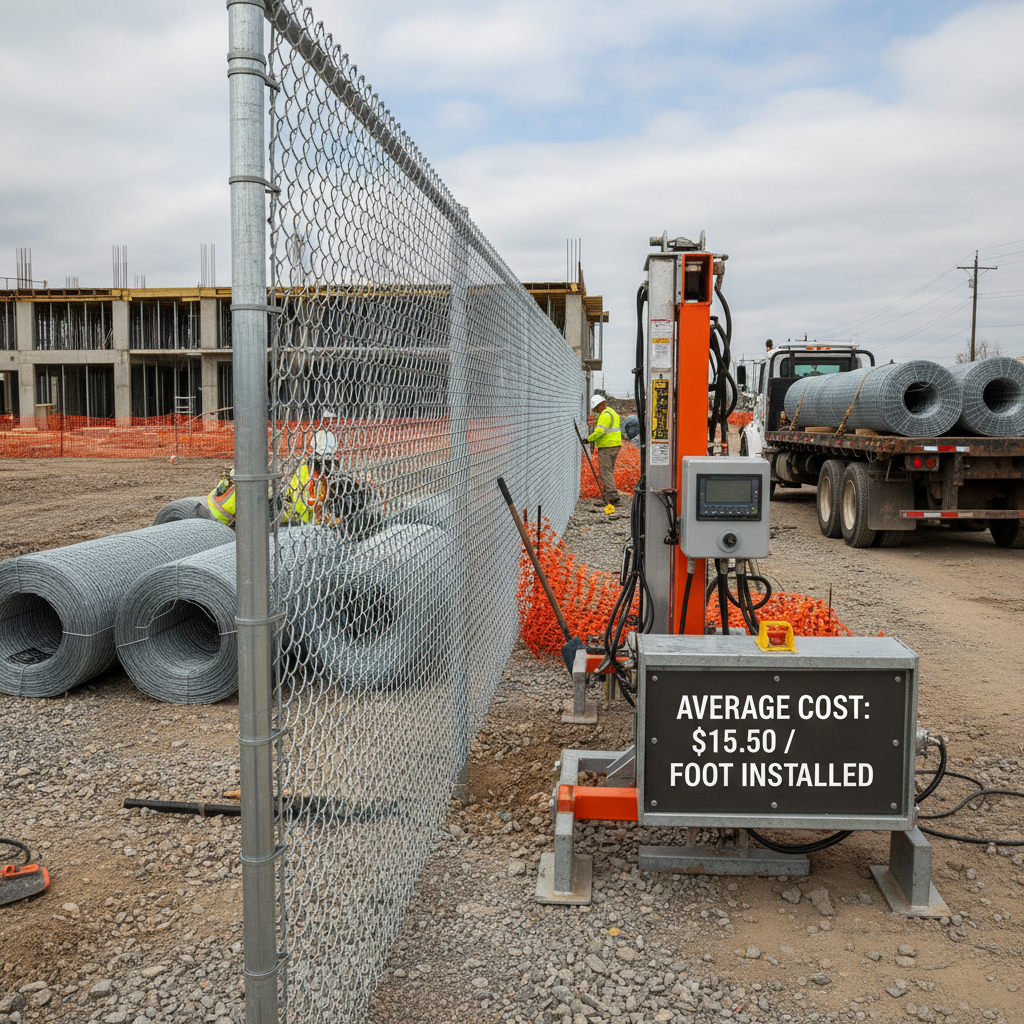
Several key elements contribute to the final price of a chain link fence installation. The height of the fence is a primary driver – taller fences naturally require more materials and labor. The gauge (thickness) of the chain link fabric also impacts the cost; heavier gauges are more durable and expensive. Post material (steel or aluminum) and the type of gate(s) included are additional cost factors. Labor rates fluctuate regionally, so obtaining quotes from local installers is essential. Finally, site preparation, like clearing vegetation or leveling ground, can add to the overall expense. Considering these factors upfront will help you get a more accurate estimate.
Key Cost Considerations: Height, Wire Gauge, Post Material, Labor Rates, Site Preparation, Gate Type and Size.
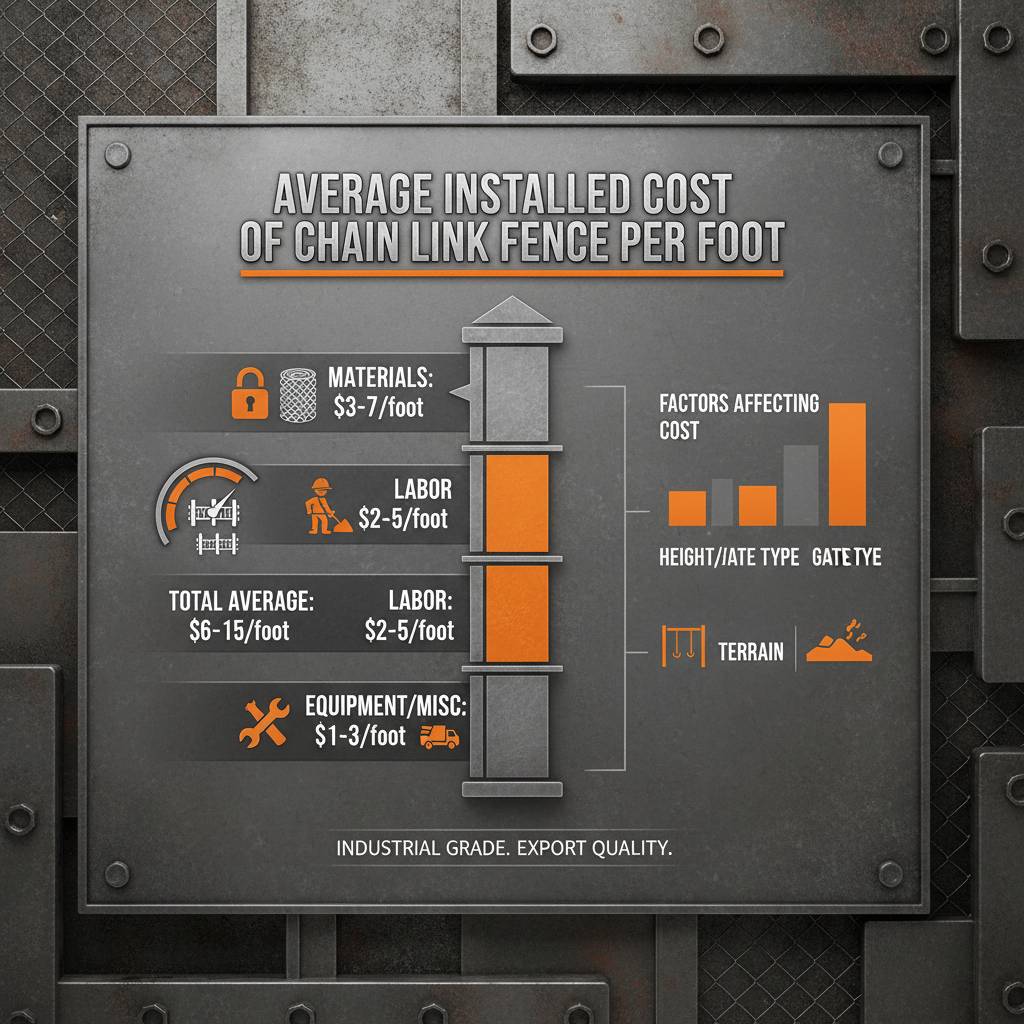
Average Cost of Chain Link Fence Per Foot Installed (2024 Estimates)
As of late 2024, here's a breakdown of typical chain link fence installation costs per foot. These are average figures and can vary. Remember to factor in potential additional costs like permits or complex site conditions. For more accurate pricing, we recommend requesting a free quote from Fencing Wire Mesh.
Chain Link Fence Cost Comparison: Materials & Installation
Comparing chain link to other fencing materials reveals its cost-effectiveness. Wood fences, while aesthetically pleasing, generally require more maintenance and are often more expensive. Vinyl fencing also tends to be pricier. Wrought iron offers a premium look but carries a significant cost. Chain link provides a durable and secure solution at a competitive price point. Consider your long-term budget and maintenance preferences when making your decision. Contact us at Fencing Wire Mesh for a personalized quote and comparison.
Cost Comparison (Per Foot, Installed):
• Chain Link: $15 - $45
• Wood: $20 - $60
• Vinyl: $25 - $70
• Wrought Iron: $40 - $100+
What Impacts the Labor Cost for Chain Link Fence Installation?
Labor costs often represent a significant portion of the overall fence installation expense. Geographic location plays a big role, with rates varying considerably between states and even cities. The complexity of the installation – dealing with uneven terrain, obstacles like trees, or the need for specialized tools – can also drive up labor costs. The contractor’s experience and reputation can influence their pricing, too. Always get multiple quotes and ensure the contractor is licensed and insured. Furthermore, accessibility to the installation area impacts the time (and therefore cost) required.
Choosing the Right Gauge and Post Material
Selecting the appropriate chain link gauge and post material is vital for durability and longevity. A heavier gauge wire (e.g., 9 gauge) is more resistant to cutting and stretching, ideal for security applications. Lighter gauges (e.g., 11.5 gauge) are suitable for residential properties with less demanding security needs. For posts, galvanized steel is a cost-effective and durable option, while aluminum posts are lighter, rust-resistant, and often preferred in coastal areas. Consider the climate and security requirements of your property when making these decisions. Fencing Wire Mesh can help you navigate these choices.
Conclusion: Planning Your Chain Link Fence Installation
Understanding the average cost of chain link fence per foot installed requires considering multiple factors. By carefully evaluating your needs, obtaining quotes from reputable installers, and choosing the right materials, you can achieve a secure and cost-effective fencing solution. Don't hesitate to reach out to the experts at Fencing Wire Mesh for guidance and a personalized estimate.
Frequently Asked Questions (FAQs)
What is included in the installation cost of a chain link fence?
Typically, the installation cost covers the cost of materials (chain link fabric, posts, rails, fittings, gate), labor for digging post holes, setting posts, stretching and attaching the fabric, installing the gate(s), and cleaning up the job site. It may not include permits (which are often the responsibility of the homeowner), site preparation (like removing trees or leveling ground), or significant grading. Always clarify exactly what's included in a quote before signing a contract.
How can I get the most accurate quote for my chain link fence project?
To obtain an accurate quote, be as detailed as possible when requesting bids. Specify the exact fence height, length, desired gauge of the chain link fabric, post material preference (steel or aluminum), type of gate(s) (single swing, double swing, sliding), and any site conditions that may complicate the installation (slopes, obstacles). Providing a clear, detailed description will help contractors provide a more precise estimate. Getting quotes from at least three different contractors is recommended.
Does the color of the chain link fabric affect the price?
Yes, colored chain link fabric (e.g., black, green, brown) typically costs more than the standard galvanized silver finish. This is because the coloring process adds an extra step to the manufacturing process. The price difference can vary depending on the color and the supplier. If you're looking for a more aesthetically pleasing fence, be prepared to pay a slightly higher price for colored fabric.
What permits are typically required for chain link fence installation?
Permit requirements vary depending on your local municipality. Generally, permits are required for fences exceeding a certain height (often 6 feet) or if the fence is located near property lines or easements. It's essential to check with your local building department to determine the specific permit requirements in your area. Failing to obtain the necessary permits can result in fines or delays.