
What Is Galvanised Anti Climb Fencing and Why It Matters
If you’ve ever been near a site that didn’t want unexpected visitors, you might’ve seen some pretty serious fencing — tight mesh, solid steel, and not much room for toe or finger grabs. That’s galvanized anti climb fencing in action: a clever blend of galvanized steel’s durability and a design that literally keeps climbing... well, impossible. Why does this fencing matter globally? Simply put, security is a universal concern — from industrial sites in Europe to refugee camps in Africa. Understanding galvanized anti climb fencing means understanding a key piece of infrastructure that safeguards people, property, and critical resources. Plus, it’s surprisingly cost-effective and sustainable, which is a bonus in a world pushing for green solutions.
The Global Relevance of Galvanised Anti Climb Fencing
Globally, security fencing is a critical asset. According to the International Organization for Standardization, fencing standards like ISO 9001 ensure safety and durability, while the UN has highlighted fencing's role in humanitarian aid during crises, such as managing camp perimeters. The World Bank also points out that infrastructure security reduces theft and vandalism losses by roughly 30% in vulnerable areas.
Yet, the challenge remains: how to secure sites effectively without escalating costs or creating overly hostile environments? Enter galvanized anti climb fencing — engineered exactly to solve these issues by blending strength with visibility and longevity.
Breaking it Down: What Exactly is Galvanised Anti Climb Fencing?
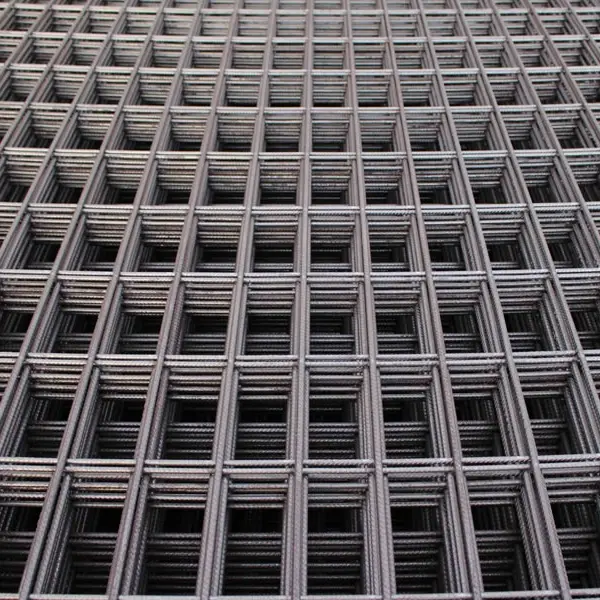
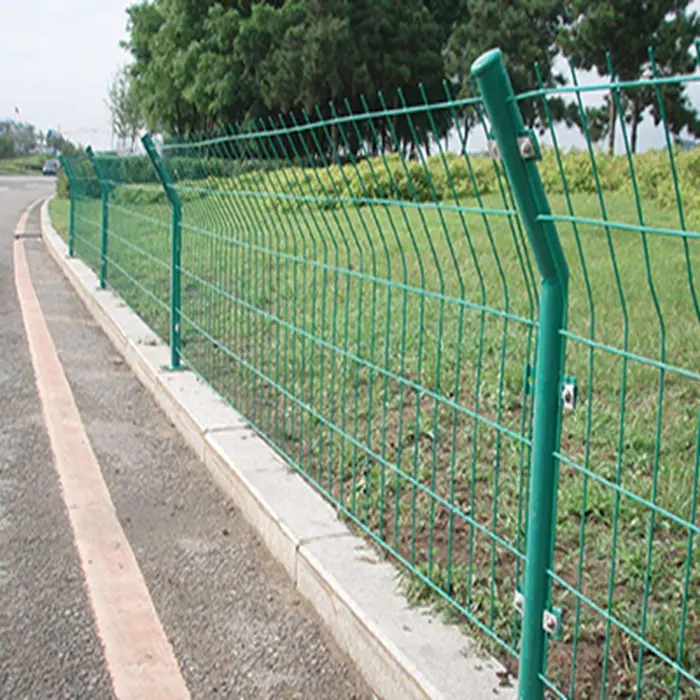
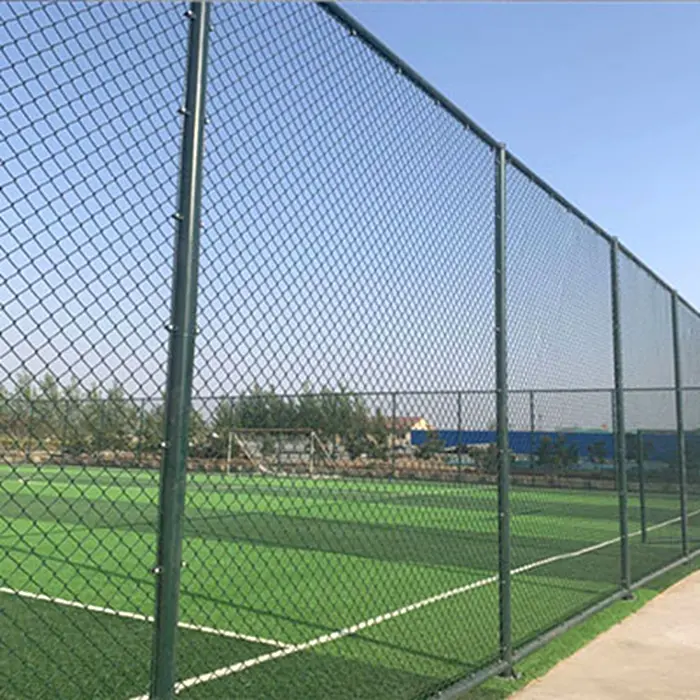
At its core, galvanized anti climb fencing is a steel fence coated in zinc for rust resistance, designed with a dense mesh pattern that prevents anyone from getting a foothold or handhold to scale it. The galvanization process ensures the fence can stand up to rain, sun, and wear for decades. This fencing suits everything from industrial plants and schools to correctional facilities, and even sensitive wildlife reserves. It’s a modern solution answering the practical need for secure yet low-maintenance boundaries, often a humanitarian necessity in unstable or disaster-prone regions.
Core Features You Should Know
Durability Against the Elements
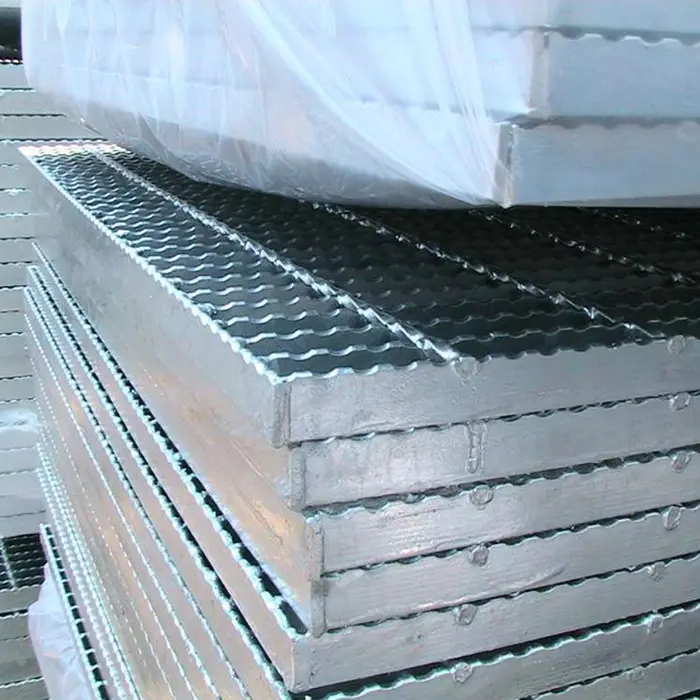
Galvanisation protects steel from corrosion. This means the fencing resists rust for up to 25 years in outdoor environments. For industries in harsh climates, this is a game changer. It’s not just longevity but fewer replacements and upkeep hassles.
Anti Climb Design
The mesh size and pattern are fine-tuned to eliminate any spots to get a grip. It’s almost a tactile deterrent, but without spikes or barbed wire — a more civil approach to keeping people out.
Cost Efficiency Over Time
While initial investment is slightly higher than simpler fences, the lifetime cost due to minimal repairs, long lifespan, and low maintenance makes it much cheaper in practice.
Visual Deterrence Without Isolation
Its see-through mesh design ensures visibility, which reduces blind spots and improves monitoring. Oddly enough, this transparency builds trust — neighbors and workers don’t feel trapped but still remain protected.
Easy Installation and Scalability
The panels and posts are modular, meaning you can scale to different sizes or terrains with relative ease. This suits everything from tiny lab compounds to sprawling industrial zones.
Mini takeaway:
- Long-lasting zinc coating beats rust and erosion.
- Anti climb design discourages intrusion without harsh measures.
- Long-term savings trump upfront cost.
- Visibility and modularity enhance safety and flexibility.
Where in the World is This Fencing Making a Difference?
Regions struggling with theft, illegal access, or safety concerns are natural hotspots for galvanized anti climb fencing. Industrial zones in Southeast Asia use it around factories prone to vandalism. In Africa’s refugee camps, NGOs deploy it to define safe zones without creating fortress-like barriers that heighten anxiety. You can also find it securing airports in Europe or prisons in Australia. It really spans the spectrum.
For example, after a cyclone in the Philippines, relief agencies used galvanised fencing to quickly establish perimeter security for temporary housing, keeping displaced families safe from looters. Similarly, mining companies in Chile surround volatile equipment areas with this fencing to adhere to strict OSHA standards.
The Benefits: More Than Just Metal Mesh
Why choose galvanized anti climb fencing? Here are a few nuggets of value:
- Long-Term Savings: Minimal maintenance means fewer labor hours and parts replacements.
- Sustainability: Zinc coating is eco-friendlier than paints or plastics that need regular reapplication.
- Social Impact: It increases site security without making spaces feel hostile, enhancing community relations.
- Reliability: You install it once, and it just keeps doing its job through weather and time.
On an emotional level, knowing your zone has this sturdy layer of defense — unobtrusive but formidable — builds peace of mind that’s hard to overstate.
Looking Ahead: Innovations Shaping the Future
The mesh industry isn’t exactly a tech startup, but changes are happening. For example, some manufacturers are experimenting with galvanised anti climb fencing coatings incorporating nano-zinc layers for even better corrosion resistance. Others combine fencing with smart sensors to alert security personnel if tampering occurs.
Sustainability pushes mean demand for recyclability and lower energy production methods— galvanizing plants use advanced systems to reduce emissions, too. There’s even talk about fences integrated with solar-powered LED lights for night-time visibility without external power.
Challenges & How They’re Tackled
That said, galvanized anti climb fencing isn’t a perfect fit everywhere. The initial cost can be a barrier for small projects. Installation in rocky or uneven terrain can require specialized work. Also, though tough, extreme impacts or cutting tools can still breach it if left unattended.
Experts advise combining this fencing with CCTV, motion detection, and regular patrols. Maintenance teams use mobile apps now to track fence integrity in real time, enabling swift fixes before small problems become big vulnerabilities.
Frequently Asked Questions About Galvanised Anti Climb Fencing
-
Q: How long does galvanized anti climb fencing typically last outdoors?
A: With proper galvanisation, the fencing can last between 20–25 years, even in harsh climates, without significant corrosion or maintenance.
-
Q: Can this fencing be customized to fit uneven terrain or irregular shapes?
A: Absolutely. Modular panels and adjustable posts make it adaptable to slopes, corners, and other tricky layouts.
-
Q: Is galvanized anti climb fencing a cost-effective option for temporary sites?
A: While initially pricier than standard fencing, its durability and quick installation often make it more affordable over medium to long term projects.
-
Q: What industries most commonly use this type of fencing?
A: Common users include manufacturing plants, correctional facilities, educational campuses, refugee and disaster relief zones, and transportation hubs.
-
Q: How does galvanized anti climb fencing contribute to sustainability?
A: It reduces the need for frequent replacement or repainting, and zinc galvanising is less toxic and more recyclable than many alternatives.
Product Specifications: What To Look For
| Specification | Detail |
|---|---|
| Material | High tensile steel with zinc galvanization |
| Mesh Size | 12.7 x 76.2 mm (approx. 0.5 x 3 inches) |
| Panel Height | 2.4 m standard; customizable |
| Panel Width | 2.5 m (standard modular width) |
| Coating Thickness | 85 microns minimum |
| Weight per m2 | Approx. 9.8 kg |
Vendor Comparison: Choosing The Right Partner
| Feature | Vendor A | Vendor B | Vendor C |
|---|---|---|---|
| Galvanising Quality | ISO-certified, 85 microns | Standard coating, 70 microns | Premium nano coating, 95 microns |
| Customization Options | High (varied heights & widths) | Medium (limited sizes) | High with consultation |
| Lead Time | 3-4 weeks | 2 weeks | 4-5 weeks |
| Pricing | Mid-range | Low | Premium |
| Sustainability Practices | Recycled steel usage, emission control | Standard | Green energy powered plant |
Conclusion: More Than Just a Barrier
Galvanised anti climb fencing isn’t just a fence. It’s a thoughtful solution to a global security problem — robust, durable, yet visually accessible. It supports peace of mind, sustains economic savings, and respects community dignity all at once. If you’re considering how to secure your site or project with something reliable, low maintenance, and socially responsible, do check out more about galvanised anti climb fencing. You might be surprised just how much role a fence can play in the bigger picture.
Quick reflection:
In real terms, while fences tend to get overlooked in infrastructure discussions, their significance in protecting assets and people is enormous — and whether you’re in a post-disaster zone or an industrial hotspot, galvanized anti climb fencing is quietly making places safer worldwide.