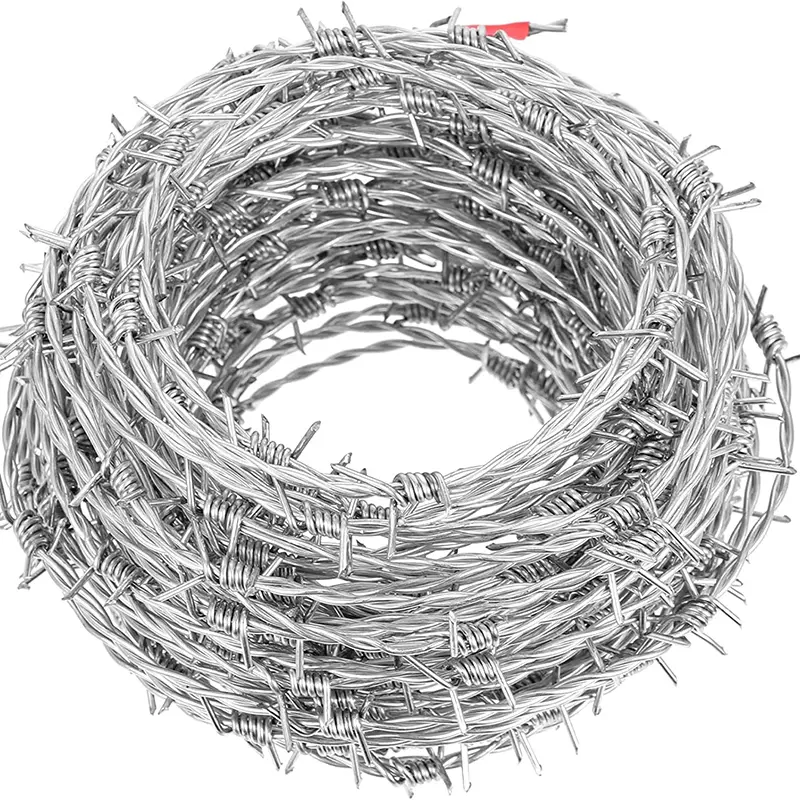

Understanding 358 Fence Panels: What They Are and Why They Matter Globally
If you’ve ever wondered how critical infrastructure and sensitive areas stay secure without looking intimidatingly industrial, the answer often lies in something called 358 fence panels. They’re sort of the unsung heroes of fencing technology — combining durability, transparency, and security in a neat wire mesh package.
Why should you care? In a world where perimeter control equals safety—be it for prisons, airports, military facilities, or even schools—the right fencing is more than just metal. It’s about peace of mind, design, and sometimes, pure necessity. Globally, as urban spaces tighten security and protect assets, 358 fencing offers a dependable solution that meets high standards while maintaining aesthetic versatility.
Mini takeaway: 358 fence panels provide a smart balance of security and visibility, crucial for modern infrastructure worldwide.
The Growing Global Importance of 358 Fence Panels in Security
Security needs have never been more urgent. According to the United Nations Office on Drugs and Crime, the global demand for reliable perimeter security has grown by roughly 20% over the last decade, driven by rising urbanization and the need to protect key assets. Industrial zones, correctional facilities, and critical infrastructure all require fencing solutions that don’t just block access but provide monitoring compatibility and deter even the most determined climbers.
358 fence panels answer this challenge by offering a robust, hard-to-breach barrier that’s versatile across climates and industries. Oddly enough, their nickname “prison mesh” gives a hint about their trusted reputation in high-security environments, but their use is far broader now, stretching to transport hubs and commercial sites. They’re tackling a global problem: how to balance visible deterrent with practical day-to-day performance.
Mini takeaway: As security challenges grow worldwide, 358 fence panels form a frontline defense recognized across continents.
What Exactly Are 358 Fence Panels?
At its core, a 358 fence panel is a welded wire mesh panel made from mild steel or stainless steel wire, forming small rectangular or square apertures measuring approximately 3" x 0.5" (hence the “358” label – 3" by 0.5"). The mesh wires are usually about 4mm thick, crafted tightly enough to prevent tools, fingers, or climbing footholds, all while maintaining visibility.
These panels create a sheer, near-smooth surface that’s almost impossible to climb but easy to inspect visually and with sensors. They are commonly galvanised and sometimes powder coated for weather resistance.
This type of fencing is closely tied to sectors where security and controlled access are paramount — think prisons needing anti-climb barriers, airports needing reliable perimeter fences, or industrial sites requiring resistant, tough enclosures.
Mini takeaway: 358 fence panels are specially designed welded wire mesh structures that maximize security without sacrificing transparency.
Core Components That Define 358 Fence Panels
Durability and Weather Resistance
Most 358 panels are galvanised, meaning they’re coated with zinc to protect steel against rust. This is crucial because fencing is often exposed to all kinds of weather stressors — rain, sun, and frost. The wire thickness and galvanising process ensure that once installed, the fence doesn’t degrade quickly, keeping maintenance costs low.
Anti-Climb Design
The tiny apertures make climbing nearly impossible. Unlike chain-link fences where shoes or hands can easily grip, 358 panels prevent any foothold or finger space. Many engineers say this makes 358 fencing one of the most secure fencing solutions, especially in secure facilities.
Visibility and Monitoring-Friendly
Despite its toughness, the mesh design allows good visibility both ways. This lets cameras and guards keep an eye on activities without obstruction. In an era where security is as much about vigilance as physical barriers, this feature is essential.
Customization and Scalability
These panels come in various sizes — typically around 2.4 m x 3 m — and can be accompanied with spikes or razor wires on top. They can be integrated with electronic surveillance or motion sensors, making them adaptable to numerous site needs.
Cost Efficiency
While not the cheapest fencing option, 358 panels strike a good balance. Their longevity and low maintenance make them a cost-efficient investment over 10-20 years.
| Specification | Value/Description |
|---|---|
| Panel Size | 2.4 m height × 3.0 m width (custom sizes available) |
| Wire Diameter | 4 mm (mild steel or stainless steel) |
| Mesh Aperture | 76.2 mm × 12.7 mm (3" × 0.5") |
| Coating | Hot-dip galvanised; optional powder-coating |
| Security Features | Anti-climb, anti-cut, compatible with alarms |
Mini takeaway: The strength of 358 fence panels comes from their robust materials, anti-climb design, and visibility that supports a multilayered security strategy.
Where in the World Are 358 Fence Panels Used Most?
Interestingly, 358 fence panels have cemented themselves in varied fields. Security installations in Europe, North America, and Australia rely heavily on these fences for prisons and airports. In fact, some Australian states consider them mandatory for secure correctional sites.
In industrial sectors, they enclose remote power plants, factories, and data centers where trespassing might mean disruption or worse, sabotage. Commercial ports, too, use these panels for perimeter fencing combined with electronic surveillance arrays.
Even humanitarian agencies have found use cases. For example, in post-disaster relief camps, 358 panels can create safe zones without turning the site into a fortress — preserving dignity while protecting resources from theft.
Check out 358 fence panels available globally to see vendor options and specifications that fit such projects.
Mini takeaway: From high-security prisons to humanitarian aid camps, 358 fence panels serve a wide range of global protection needs.
Long-Term Benefits: Why Invest in 358 Fence Panels?
- Reliability: Many operators report decades without major repairs, thanks to corrosion resistance and sturdy design.
- Visual Security: Instead of opaque walls, 358 panels allow eyes to see through, fostering safety for occupants and staff alike.
- Cost Savings: The upfront cost may be higher, but fewer replacements and lower maintenance mean less total spend.
- Emotional Impact: Users often describe a sense of trust and calm — knowing a tough barrier is there, yet it’s not obscure or fortress-like.
In short: these panels feel like a long-term partner, not a quick fix.
Emerging Trends and Innovations in 358 Fence Panels
Like everything security-related, 358 fence panels are not standing still. Advanced coatings incorporating anti-graffiti and self-cleaning layers are appearing to reduce upkeep even further. Integration with smart sensors — motion detectors, heat sensors, and even AI-enabled cameras — turns this passive barrier into an active defense.
Some vendors are experimenting with hybrid materials to lighten weight without sacrificing strength, or using recyclable steel to cut environmental impact. In green energy facilities, pairing these fences with solar-powered monitoring stations shows promise.
Do keep an eye out for modular fencing kits that speed up installation, especially useful in emergency deployments or large-scale events.
Mini takeaway: Technology and materials innovation promise to push 358 fence panels beyond traditional limits, making them smarter and greener.
Common Challenges and How They’re Tackled
No product is perfect, and 358 fence panels face some obstacles. Their initial cost and installation complexity can deter smaller projects. Plus, in some environments, vandalism or extreme weather can test their limits.
However, smart design choices — like combining panels with cameras and alarms — reduce reliance on the fence alone. Also, some suppliers now offer pre-galvanised and powder-coated options that resist corrosion even longer. Installation training and modular designs help cut labor time, lowering expenses.
One clever workaround I came across recently was incorporating planting zones at the fence base to deter digging attempts while adding to site aesthetics — a subtle touch that feels human.
FAQ: Frequently Asked Questions About 358 Fence Panels
- Q: What makes 358 fence panels better than traditional chain-link fences?
A: The key difference is the mesh size and wire thickness. 358 panels have smaller openings and thicker wires, making them nearly impossible to climb or cut through with hand tools. Chain-link fences, with their larger openings and thinner wires, offer less security and visibility. - Q: Can 358 fence panels be customized for different heights or security needs?
A: Absolutely. While common sizes are around 2.4 m tall, panels can be made higher or combined with accessories like razor wire or anti-climb spikes. They can also be powder-coated in different colors to match site branding or aesthetic requirements. - Q: Are 358 fence panels suitable for coastal or humid environments?
A: Yes, especially if they are hot-dip galvanised and optionally powder-coated. These coatings provide excellent resistance to rust and corrosion commonly found in salty or moist conditions. - Q: How long do 358 fence panels typically last?
A: With proper installation and maintenance, 358 panels often last 15-25 years. The zinc coating provides robust corrosion protection, significantly extending their lifespan compared to untreated steel options. - Q: Can these panels integrate with electronic security systems?
A: Yes. The mesh design is ideal for mounting sensors, cameras, and alarms. Many sites use 358 panels as part of a multilayered security system with surveillance and access controls.
Conclusion: Why 358 Fence Panels Are a Long-Term Security Investment
In real terms, investing in 358 fence panels feels like choosing resilience, visibility, and proven security technology all at once. Whether you’re safeguarding an industrial facility, surrounding a sensitive site, or protecting lives in a humanitarian setting, these panels meet demands that cheap fencing simply can’t.
If you want to explore your options further or see what recent innovations are available, visit 358 fence panels. There’s a lot to gain from understanding how this versatile fencing solution works beyond just its “prison wire” nickname.
After all, good security isn’t just about physical barriers — it’s about trust, longevity, and adapting to future challenges.
| Vendor | Material Options | Customization | Typical Lead Time | Approx. Price Range (Per Panel) |
|---|---|---|---|---|
| SecureMesh Co. | Galvanised Steel, Powder Coated | Height, Color, Accessories | 3-5 weeks | $250 - $400 |
| FortiFence Ltd. | Stainless Steel, Hot-dip Galvanised | Modular Panels, Security Extras | 4-6 weeks | $300 - $450 |
| Global Fencing Solutions | Galvanised Steel, Recycled Steel Options | Color, Spikes, Integrated Sensors | 2-4 weeks | $220 - $350 |
References: