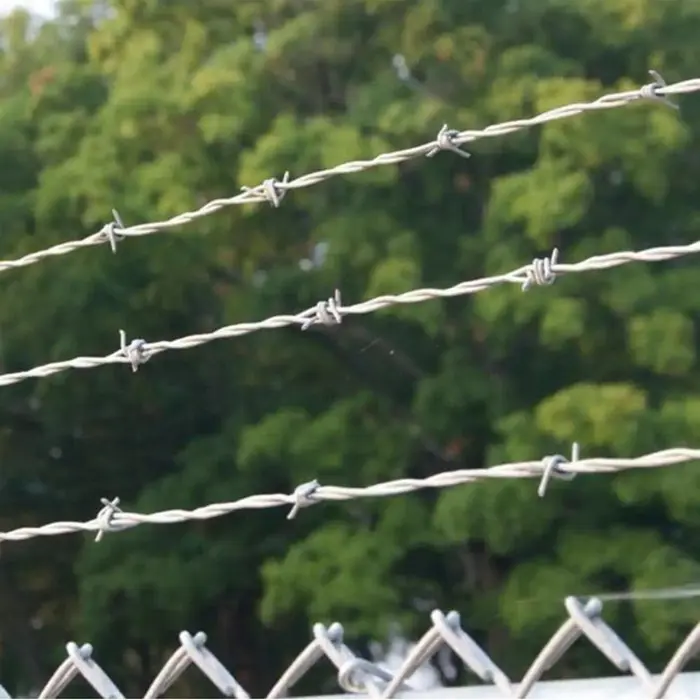

Why High Security Prison Fence Remains the Backbone of Detention Facility Protection
Working in industrial equipment for decades, I’ve seen firsthand how fencing technology quietly evolves and yet remains a fundamental part of secure perimeter control, especially in sensitive places like prisons. When you talk about a high security prison fence, you’re dealing with more than just steel posts and mesh. It’s about layers of deterrence — physical and psychological. Oddly enough, it’s often the simplest design tweaks that make a world of difference.
The main challenge is balancing toughness without making installation a logistical nightmare. Prison fences must be blast-resistant, anti-climb, and almost always avoid features that might provide handholds or footholds. Frankly, a fence that looks intimidating is half the battle won in preventing escape attempts.
Design & Material Considerations for High Security Prison Fencing
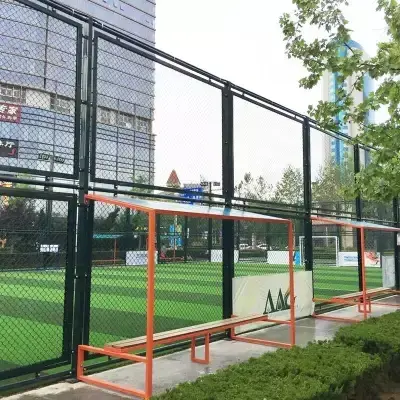
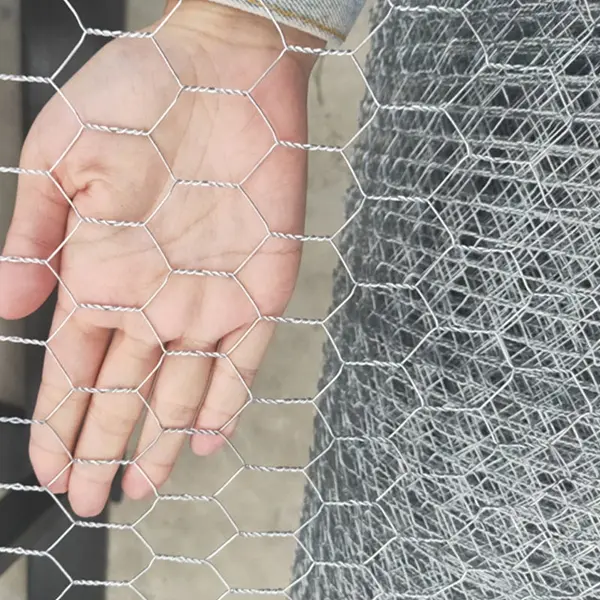
Most fences in these facilities are made from high-grade galvanized steel, sometimes powder-coated for extra corrosion resistance — especially in humid or coastal regions. The mesh size matters hugely. Smaller grid openings prevent tools from being passed through or prisoners’ fingers from getting a grip. Add to this razor wire or electrified deterrents (depending on local regulations and budgets) and you start to see the layers stacking up.
It’s worth mentioning that many engineers now push for modular fence panels. These can be swapped out quickly if damaged, cutting down repair times drastically — which saves money and ensures the perimeter security isn't compromised for long.
| Specification | Details |
|---|---|
| Material | Galvanized and Powder-Coated Steel |
| Mesh Size | 12.7 x 12.7 mm (0.5" x 0.5") |
| Height | 3 - 4 meters (10 - 13 feet) |
| Tensile Strength | ≥ 750 MPa |
| Surface Treatment | Hot-dip galvanizing & powder coating |
Vendor Comparisons: Finding the Right Supplier for High Security Prison Fence
In my experience, choosing a vendor isn’t just about specs. Lead time, installation support, and after-sales service matter just as much. Here’s a quick rundown of three well-known suppliers I’ve worked with or researched thoroughly:
| Vendor | Material Quality | Customization Options | Typical Delivery | On-Site Support |
|---|---|---|---|---|
| FencingWireMesh | Premium galvanized steel | Full range of mesh sizes, coatings | 4 - 6 weeks | Available |
| SecureFence Co. | High-grade steel (not powder-coated) | Limited coatings, basic sizes | 3 - 5 weeks | Consultation only |
| IronGate Solutions | Standard galvanized steel | Customization available but costly | 6 - 8 weeks | Limited support |
I recall one project where the prison was undergoing a phased upgrade and it was the vendor’s flexibility — the ability to swap panels mid-installation without downtime — that saved the day. You don’t realize how crucial that is until you’re facing urgent security needs and a tight schedule.
Why Invest in a Quality High Security Prison Fence?
At the end of the day, the fence is the last line before guards, cameras, and sensors come into play. If that barrier fails or shows weakness, the whole system’s integrity is compromised. There’s this unspoken rule in corrections infrastructure: the fence must be as close to foolproof as possible. It’s not just about keeping inmates in — it’s also about protecting communities around the facility.
So, if you’re exploring fencing options, focus on quality materials, trusted manufacturers, and real-world installation experience. Sort of like any industrial-grade safety product, your fence should offer reliability, durability, and peace of mind.
For more detailed info and specific fencing solutions, I’ve found FencingWireMesh to be a solid go-to resource.
-- John M., Industrial Security Equipment Specialist
References & Reflection
- International Correctional Facility Standards - Fence Specifications
- Case Studies on Perimeter Security Upgrades, Security Today Journal, 2022
- Personal project experiences and vendor consultations, 2010-2023