
Understanding GI mesh for fencing: A veteran’s perspective
Having spent over a decade in the industrial equipment sector, I’ve seen fencing materials come and go, but GI mesh for fencing really holds a special place in my toolbox of reliable solutions. It feels like one of those unsung heroes that quietly does its job—robust, versatile, and surprisingly affordable.
GI, or galvanized iron mesh, has been a go-to for everything from agricultural fencing to security barriers. Frankly, what keeps me recommending it is its zinc coating, which resists rust and corrosion much better than your average bare steel. Oddly enough, even in wet or coastal environments where rust is a typical menace, GI mesh tends to hold up remarkably well.
In real terms, that zinc barrier is like a shield — if you scratch the mesh lightly, it won’t immediately rust underneath like plain steel would. A little anecdote here: I once worked on a job site near the ocean where, despite constant salt spray, a GI mesh fence stood strong for over 7 years. Other materials had started to crumble within just a couple of years. That kind of durability saves money and headaches down the line, as maintenance and replacements slow way down.
Material properties and design considerations
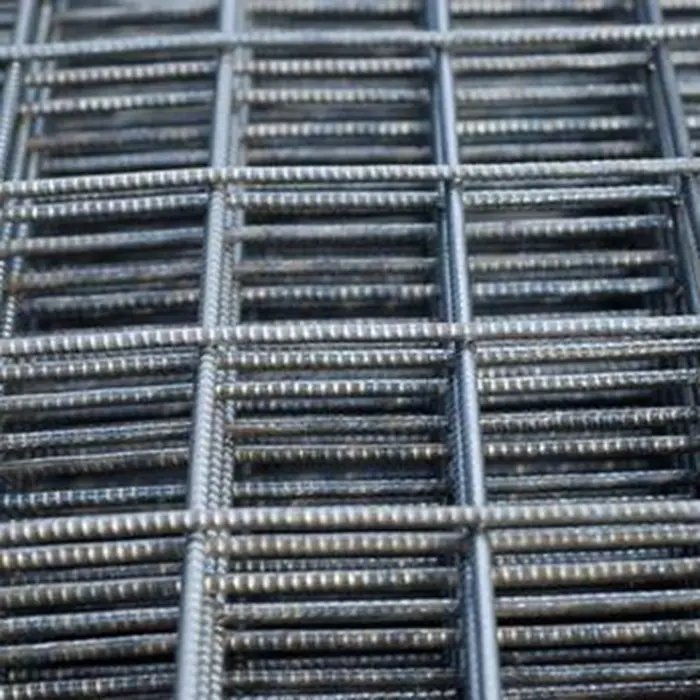
Most GI mesh comes in a variety of wire gauges and mesh opening sizes — which usually means you can customize based on security needs or budget constraints. The wire itself is typically mild steel, galvanized after weaving (or sometimes before), with zinc thickness varying by grade. I personally prefer the heavier zinc coatings when security and longevity are priorities. It’s the difference between a fence that lasts about five years versus one that can tick over a decade.
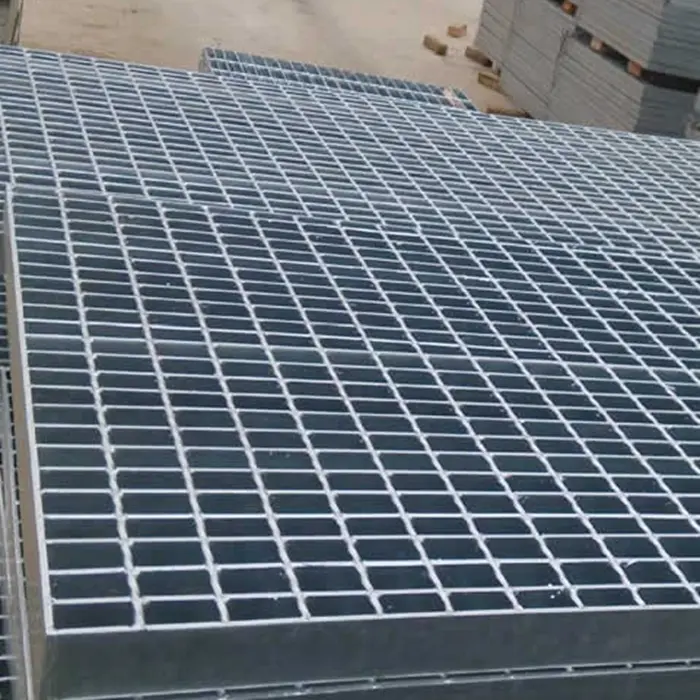
The weave pattern typically looks like a square grid, but you can also find variants with diamond shaped holes, which sometimes offer more flexibility while keeping strength. In the field, installers often comment on how easy it is to cut and shape GI mesh with the right tools — that adaptability is why it’s remained popular over the years.
| Specification | Details |
|---|---|
| Wire Material | Mild steel, galvanized |
| Zinc Coating Thickness | 40-280 g/m² (varies by grade) |
| Common Mesh Size | 25mm x 25mm to 50mm x 50mm |
| Wire Gauge | 18-14 gauge |
| Typical Roll Width | 1m to 2m |
How does GI mesh compare across vendors?
You know, not all providers are created equal. From experience, I can tell you that subtle differences in galvanizing processes or wire quality skew the longevity and strength of the finished mesh. Below is a quick vendor comparison based on factors I usually evaluate:
| Vendor | Zinc Coating Quality | Wire Gauge Options | Customization | Lead Time |
|---|---|---|---|---|
| Fencing Wire Mesh Co. | Excellent, consistent zinc layer | 14-18 gauge | Custom rolls and sizes | 2-3 weeks |
| SteelPro Mesh Ltd. | Good, varies by batch | 16-20 gauge | Limited customization | 3-4 weeks |
| IronGuard Mesh | Average, zinc layer thin | 18-22 gauge | No customization | 1-2 weeks |
When I last scoped out options for a big agricultural client, Fencing Wire Mesh Co. came through with consistent quality and was willing to tailor roll widths to the farm’s awkward terrain needs. Those little details often make or break installation ease and project durability. You see, it’s not just the product specs, but also the vendor’s flexibility that counts.
Testing is another key part. I’ve witnessed some suppliers put their GI mesh through salt spray tests lasting over 500 hours before signs of rust appeared — a solid benchmark that many engineers respect. Not every vendor can boast that level of resilience or supply chain transparency, so it’s important to ask upfront.
To wrap this up, GI mesh feels like one of those no-nonsense products that quietly supports lots of industries without fuss. Whether you’re enclosing a pasture, reinforcing a security perimeter, or creating an industrial partition, it’s a smart choice — especially if you get it right the first time with a trusted supplier.
So, if you’re on the fence (pun intended!) about what fencing solution to pick, GI mesh might just be the dependable workhorse you need.
References:
- “Corrosion Resistance of Galvanized Steel,” Corrosion Science Journal, 2022.
- Industry Test Reports, Fencing Wire Mesh Co., 2023.
- Field Installation Notes, Personal Experience, 2015-2023.