
Why Anti Climb Security Fence Is More Relevant Than Ever
Security concerns globally only seem to be escalating. Borders, facilities, and critical infrastructure need reliable, cost-effective solutions to keep people safe — and in many cases, keep the wrong people out. This is where anti climb security fence comes into play. But what exactly is it, and why should industries, governments, and even humanitarian organizations care so much about it? At its core, this type of fencing is designed to stop unauthorized access by making climbing practically impossible. The result is a simple, physical barrier that’s tough, durable, and trusted worldwide.
Understanding these fences means understanding a fundamental aspect of modern security infrastructure. It isn’t just about steel bars — it’s about peace of mind, long-term cost savings, and supporting public safety.
The Global Challenge: Protecting People and Assets
Security fencing isn’t a niche issue; it connects directly to a slew of global challenges. According to the United Nations Office on Drugs and Crime, intrusion and theft costs billions every year — much of which is preventable with better perimeter security. Anti climb security fences tackle this problem head-on by acting as the first, most durable line of defense.
Consider the rapid urbanization in many parts of Asia and Africa, where infrastructure is expanding but crime rates are rising in dense cities. Or the explosion of renewable energy farms scattered in remote regions, requiring theft protection for equipment miles from human habitation. In these contexts, fencing solutions that are quick to install, energy-efficient (if electrified), and almost impossible to breach become invaluable.
Understanding Anti Climb Security Fence: Simple Yet Sophisticated
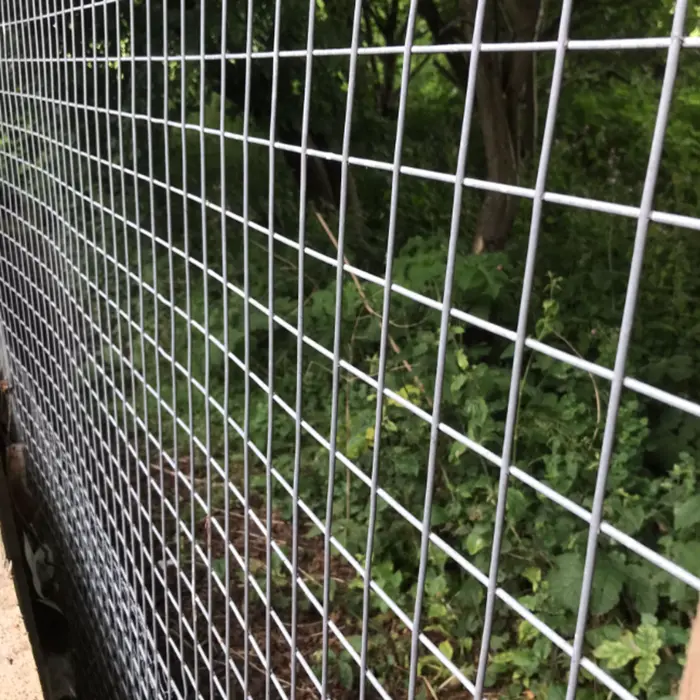
Put simply, an anti climb security fence is a specially designed barrier that discourages or outright prevents climbing attempts. It usually features small mesh apertures (often under 50mm) or vertical bars without horizontal rails to thwart hand and footholds.
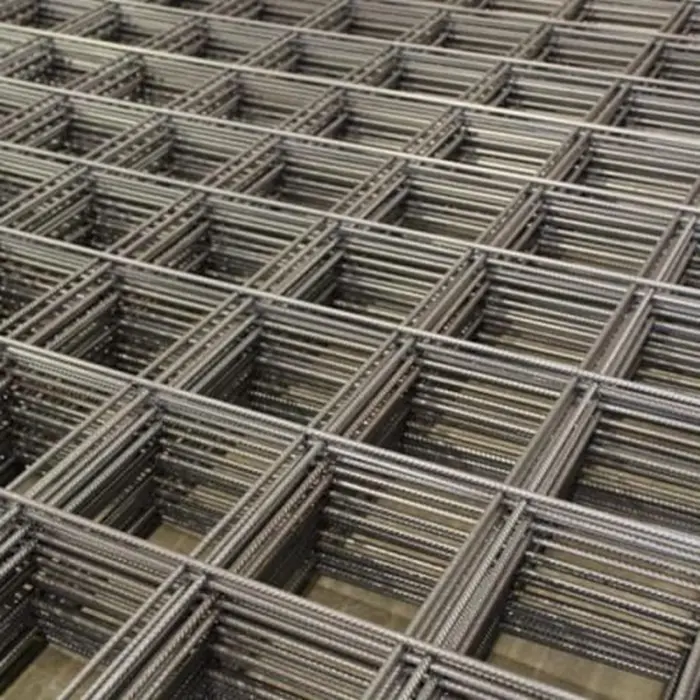
It’s not just about height; it’s about the whole physical geometry of the fence. Modern designs often incorporate welded wire mesh panels manufactured with hardened steel wire, making cutting or breaching costly and time-consuming.
Beyond industry, these fences help humanitarian efforts too — think refugee camps or emergency aid depots where maintaining safe zones can be critical for dignity and protection.
Key Components That Make These Fences Work
1. Durability and Material Strength
Many manufacturers use galvanized steel with a powder-coated finish for corrosion resistance. This ensures the fencing holds up under sun, rain, or salt spray without costly maintenance. Some even incorporate stainless steel wires for ultra-long-term projects in coastal zones.
2. Aperture Size and Mesh Design
Keep the holes small enough that no fingers or climbing aids fit in. This is actually the crucial detail that separates an anti climb fence from a standard wire fence.
3. Scalability and Modularity
Many fences come in pre-engineered panels for fast deployment, especially important for remote or rapidly changing sites. You can add sections as your facility grows or needs shift.
4. Installation Flexibility
The fence system should adapt to uneven terrain, different soil conditions, and even be combined with additional deterrents like razor wire or electronic sensors.
5. Cost Efficiency Over Time
Because they require less maintenance, last longer, and reduce theft and damage, these fences often pay for themselves in a few years.
Mini Takeaway:
Anti climb security fences balance material science and design finesse to deliver both physical security and peace of mind.
Real-World Applications of Anti Climb Security Fence
Where are you likely to find these fences at work? Nowhere is off-limits.
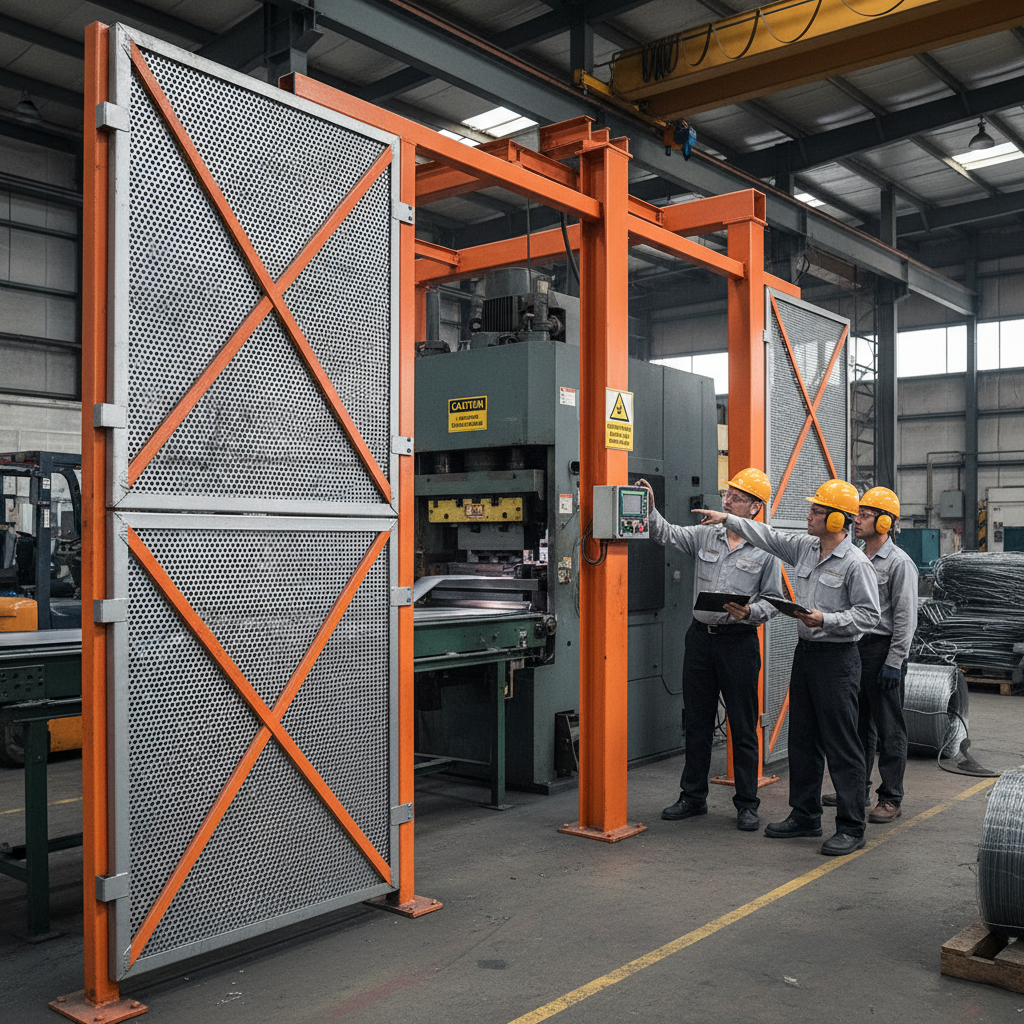
- Critical infrastructure: Airports, power plants, and data centers use these fences to prevent sabotage or theft.
- Industrial zones: Manufacturers and warehouses protect inventory from opportunistic break-ins.
- Correctional facilities: Prevent escapes with fences that topple the usual ‘climbers’ tricks’.
- Military bases: Keeping defense assets secure requires rigorous perimeter control.
- Humanitarian zones: Refugee camps or disaster relief perimeters use these fences to maintain safe, organized spaces.
- Renewable energy farms: Solar and wind installations in isolated locations rely on them.
For example, in post-disaster relief operations in Southeast Asia, quickly installed anti climb fencing helped organize logistics, secure supply chains, and protect vulnerable populations without adding complexity.
Advantages and Long-Term Value of Anti Climb Security Fence
What makes this fencing worth investing in — beyond the obvious “better security”?
- Reliability: These fences withstand cutting, climbing, and environmental damage.
- Sustainability: Many come with eco-friendly coatings and recyclable materials.
- Cost Savings: Reduced maintenance and lower theft losses add up quickly.
- Social Impact: Improved safety promotes community trust around sensitive sites.
- Emotional Comfort: Neighborhoods with strong perimeter security often reported feeling safer, supporting lower crime rates.
Specification Table: Typical Anti Climb Security Fence Panel
| Parameter | Specification | Notes |
|---|---|---|
| Material | Galvanized Steel with Polyester Powder Coat | Corrosion resistant |
| Wire Diameter | 4.0 mm (standard) | Adds to strength |
| Mesh Size | 50mm x 12.5mm (horizontal x vertical) | Prevents handholds |
| Panel Size | 2.5m (W) x 2.0m (H) | Modular sections |
| Finish | Powder coat (Green, Grey common) | UV resistant |
Vendor Comparison: Leading Anti Climb Fence Manufacturers
| Vendor | Material Quality | Customization Options | Lead Time | Price Range |
|---|---|---|---|---|
| SteelGuard Fence Co. | High (Galvanized + Powder Coat) | Panels, Heights, Color | 2-4 weeks | $$$ |
| SafeMesh International | Medium (Hot-Dip Galvanized) | Standard Panels Only | 1-3 weeks | $$ |
| DefendRight Solutions | High (Stainless Steel Wire Mesh) | Full Custom Fabrication | 4-6 weeks | $$$$ |
The Future of Anti Climb Security Fence: Innovation on the Horizon
Looking ahead, innovation isn’t just about tougher steel or smaller mesh. We’re seeing a convergence of security fencing and technology. Imagine fence panels that can detect cutting or climbing attempts and send instant alerts via IoT connectivity. Or solar-powered LED lighting integrated with fencing for 24/7 visibility without added grid costs — helpful in remote zones. Sustainability is also pushing manufacturers to pursue recyclable materials and greener production methods. Oddly enough, these fences are becoming part of a broader “smart perimeter” concept, where physical and digital security fuse into a robust defense.
Challenges and Practical Solutions
Like anything physical, anti climb fences face challenges. Installation on uneven terrain can be tricky. Also, while fences deter most intruders, a determined antagonist may find weak points in fencing systems, especially at gates or junctions. Weather extremes can accelerate corrosion in substandard products, too.
But these are surmountable. Advances in modular fencing systems mean better fit on any surface. Enhanced coatings and stainless steel options help longevity. And combining fences with surveillance cameras and alarm systems covers blind spots. It’s really about seeing these fences as one part of a layered security approach.
FAQs About Anti Climb Security Fence
- What makes an anti climb security fence different from normal fencing?
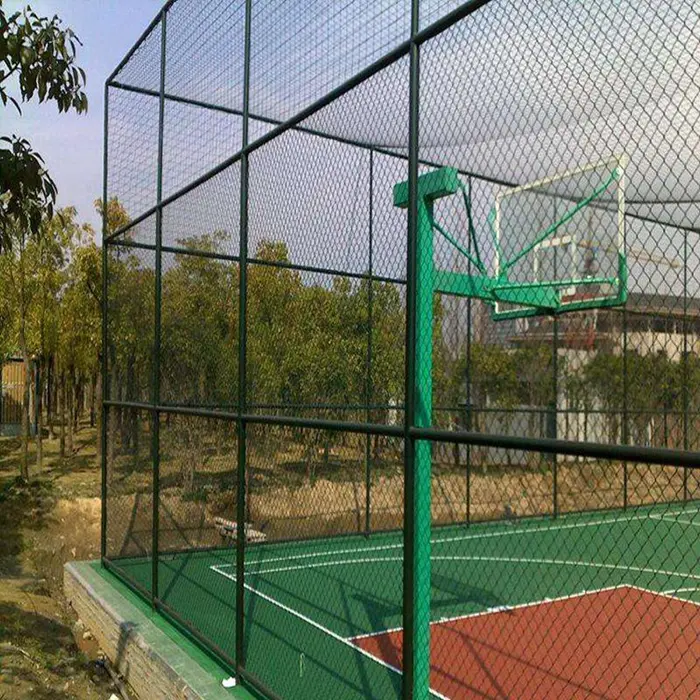
- Anti climb fences feature small mesh sizes and special wire configurations that eliminate hand and footholds, making it extremely difficult to scale compared to normal chain-link or barbed wire fences.
- Can I add razor wire or electronic sensors to these fences?
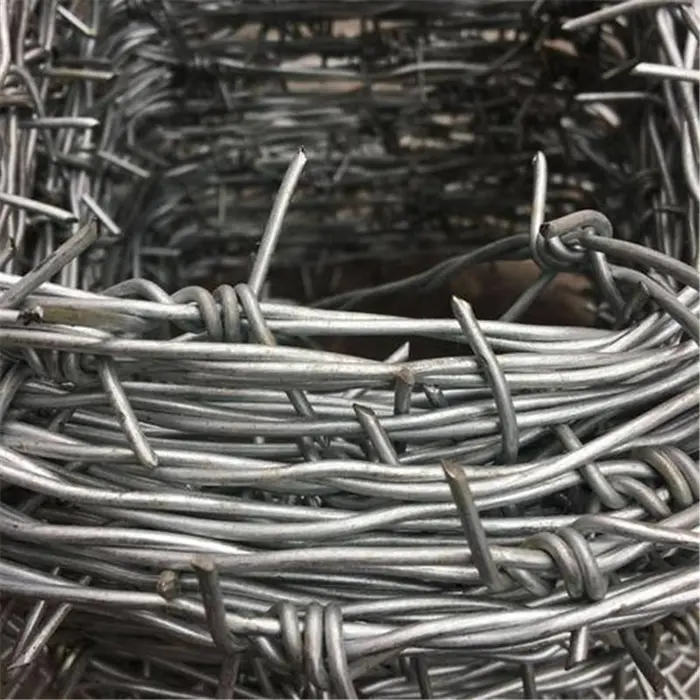
- Absolutely, many installations combine these fences with additional deterrents such as razor or barbed wire, CCTV, and alarm sensors for multi-layered security.
- How long does an anti climb security fence typically last?
- With proper materials like galvanized and powder-coated steel, these fences often last 15-20 years or more, even in harsh environments.
- Are these fences suitable for temporary setups or just permanent installations?
- Many systems are modular and designed for fast deployment, so they can be used both in permanent perimeters and temporary operations like event sites or emergency relief zones.
- Is installation difficult on uneven ground?
- Modern modular fencing systems come with adjustable posts and brackets, making them adaptable to slopes or irregular terrains without compromising security.
Final Thoughts: Why Investing in Anti Climb Security Fence Pays Off
When you strip it down, an anti climb security fence offers more than just steel and mesh — it delivers peace of mind for property owners, citizens, and organizations worldwide. From protecting critical infrastructure to ensuring humanitarian safety, it’s a foundational element in today’s security landscape. Sure, no system is 100% foolproof. But combining intelligent design, quality materials, and thoughtful installation means you’re investing in a solution that pays dividends for years.
Considering shore up your security perimeter? Visit our website to explore tailored fencing solutions and find out how easy it is to get started: https://www.fencingwiremesh.com.
Quick Takeaway
Anti climb security fence systems offer lasting protection, adaptability for all environments, and a smart investment for businesses and communities. The technology and materials are evolving, but the core principle remains the same — keep the risks out and safety in.
References: