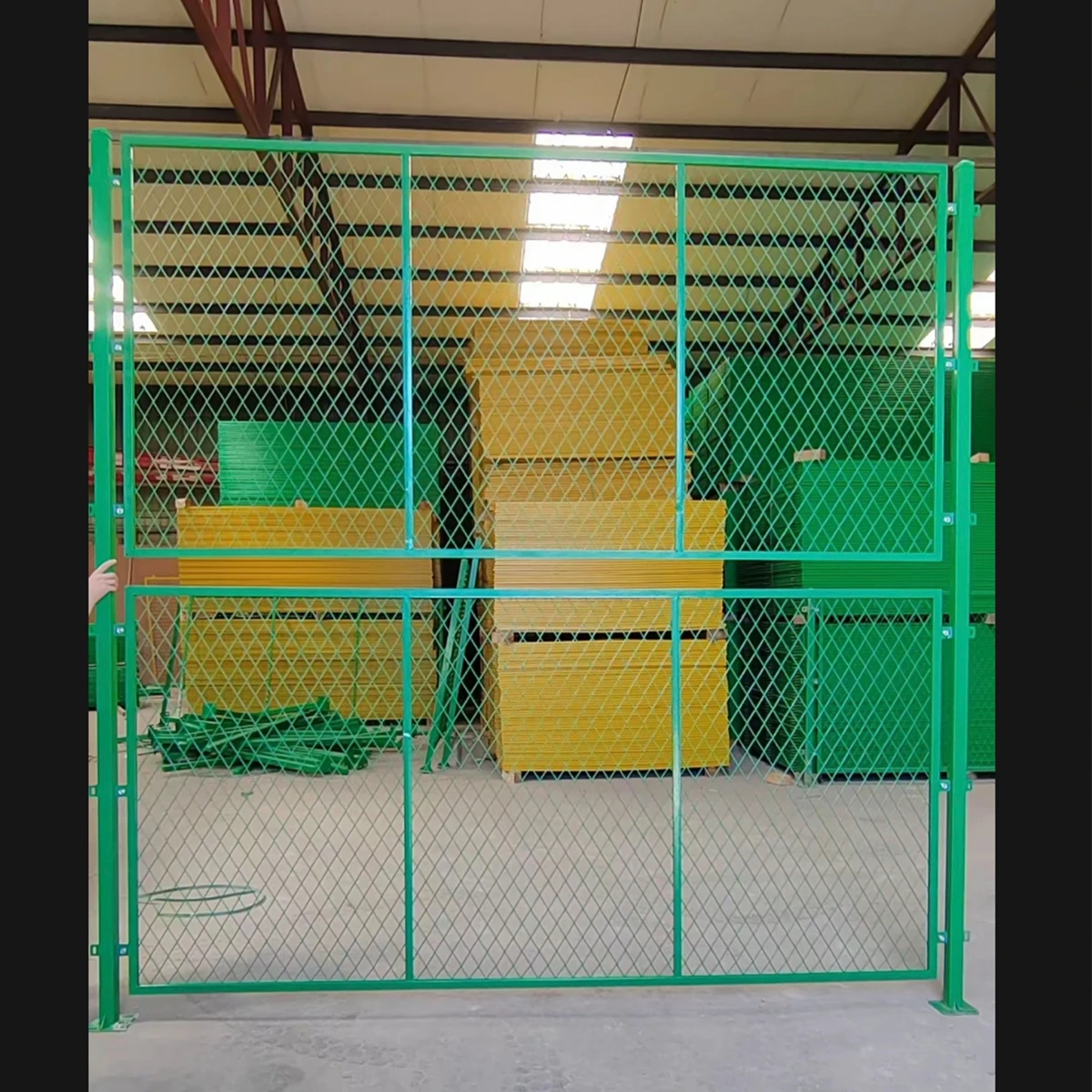

Understanding Anti Climb Security Fencing: A Global Necessity
In today’s interconnected and often unpredictable world, security is a topic that’s impossible to overlook. Whether it’s protecting critical infrastructure, safeguarding vulnerable populations, or keeping industrial zones safe from intruders, anti climb security fencing plays a pivotal role. Essentially, this specialized fencing provides a physical and psychological deterrent against unauthorized climbing, thus enhancing safety on multiple levels.
Why does this matter on a global scale? Well, rising urbanization, geopolitical tensions, and an increased focus on both private and public security make anti climb security fencing a strategic priority. Its applications range from prisons and military sites to schools and hospitals, often serving as that unsung hero behind secure borders. Understanding its benefits means not just knowing about fencing, but appreciating how infrastructure supports societal well-being.
The Global Landscape: Why Anti Climb Security Fencing is More Crucial Than Ever
According to the United Nations Office on Drugs and Crime (UNODC), property crimes and unauthorized intrusions have risen in urban centers worldwide over the last decade. Meanwhile, the World Bank highlights infrastructure investment demands that emphasize durability and safety — areas where traditional fencing sometimes falls short.
These trends create a pressing challenge: how do we build boundaries that are tough enough to resist tampering yet cost-effective and scalable? Anti climb security fencing answers this by offering designs that specifically hinder climbing, making unauthorized access much harder. For governments, NGOs, and private firms, this means better risk mitigation through physical barriers that complement surveillance and policy efforts.
What Exactly is Anti Climb Security Fencing?
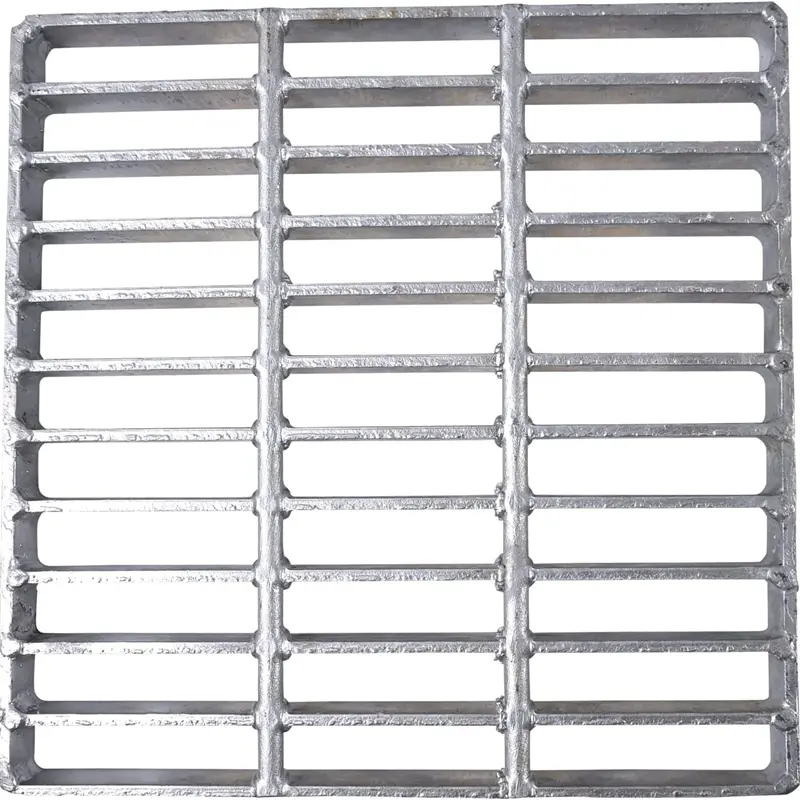
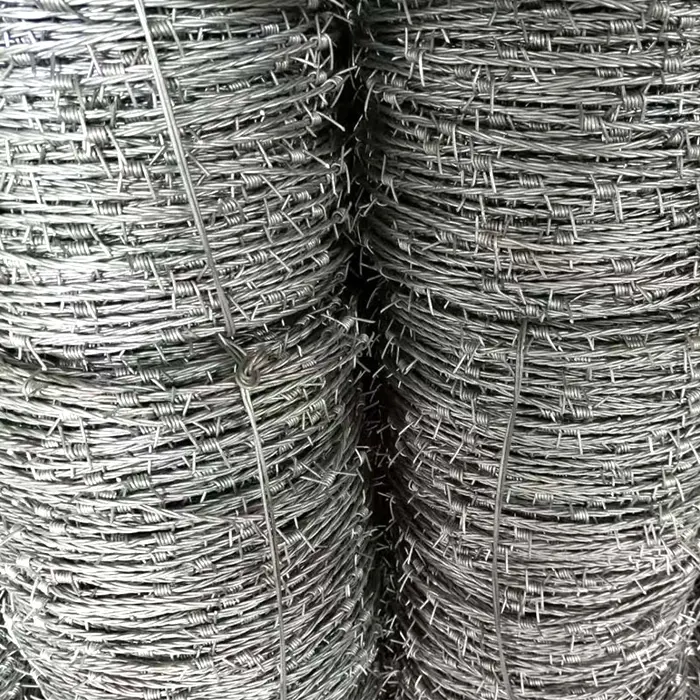
To put it simply, anti climb security fencing is a type of barrier designed to prevent intruders from easily scaling it. Unlike traditional chain-link or wooden fences, these systems use tight mesh panels, minimal footholds, and often additional design features like angled tops or razor wire. The goal: frustrate attempts to climb without compromising visibility or airflow.
In modern industrial and humanitarian settings, these fences provide both a practical and psychological layer of protection. Think of refugee camps where safety isn’t just a matter of securing territory but preserving dignity and trust — or busy airports where perimeter security needs to be both effective and unobtrusive. This fencing is the silent guardian.
Core Components of Effective Anti Climb Security Fencing
Durability
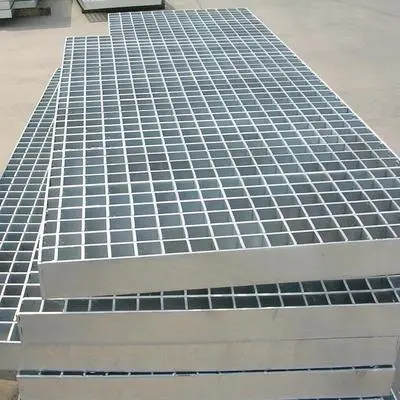
Because these fences often serve in harsh environments, their materials—usually galvanized steel or powder-coated metals—must resist corrosion, vandalism, and physical impact. This ensures long-term utility even in coastal or industrial regions.
Design and Mesh Size
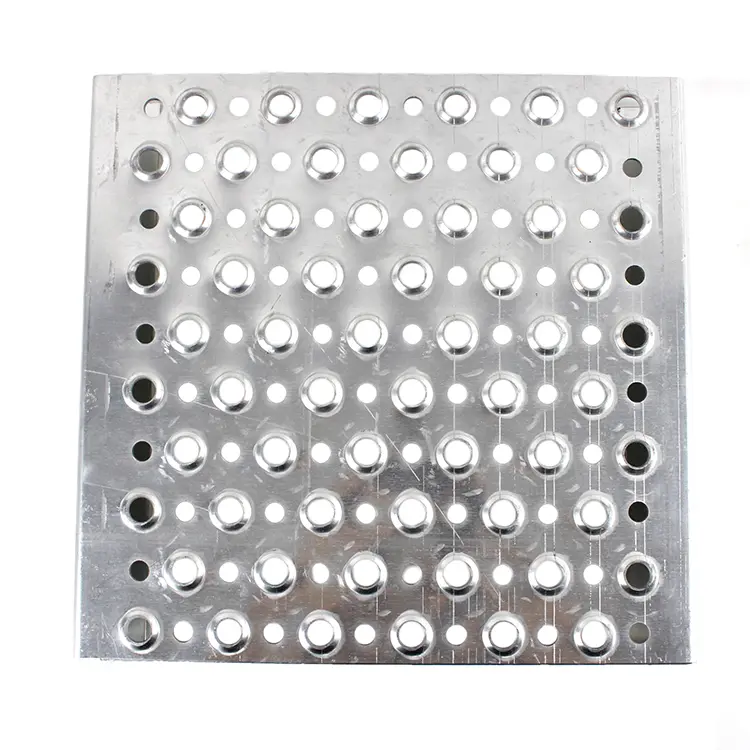
The real trick lies in the mesh or panel design. Smaller mesh apertures leave no footholds, frustrating climbers, while still allowing guards or cameras to monitor activity easily.
Scalability and Modularity
Clients often need fencing that can be easily extended or reconfigured. Modular panels with standardized fittings allow quick installation and future expansion — especially important for disaster relief areas or developing industrial parks.
Cost Efficiency
While stronger than simple chain-link fences, many anti climb systems are surprisingly cost-effective. They often reduce the need for additional security staff or electronic deterrents, balancing upfront investment with long-term savings.
Compliance & Standards
Many industries rely on fencing meeting ISO standards or local security requirements. Anti climb fencing can be customized to comply easily, ensuring legal and insurance safeguards.
Aesthetic Integration
It may sound odd, but aesthetics matter. Some contemporary designs blend security with architectural features or green environments, making these fences less intimidating while retaining their protective benefits.
Real-World Uses Across the Globe
From industrial plants in Southeast Asia to schools in Europe, the applications of anti climb security fencing are vast. For example, in post-disaster zones like Nepal, where temporary relief camps are set up rapidly, this fencing ensures perimeter safety without the heavy logistics of permanent structures.
Similarly, in countries with sensitive infrastructures — think airports in the Middle East or power substations in North America — these fences act as a frontline defense, linking physical security seamlessly with surveillance tech.
| Specification | Typical Value | Remarks |
|---|---|---|
| Material | Galvanized Steel, Powder-Coated | Resistant to corrosion and weather |
| Mesh Aperture Size | 12.7 x 76.2 mm (approx) | Prevents footholds |
| Panel Height | 2m to 4m | Depends on application (higher for prisons) |
| Installation Type | Modular with Post Fixings | Allows quick deployment and scaling |
| Finish | Powder Coating in RAL Colors | Customizable appearance and protection |
Why Invest in Anti Climb Security Fencing? The Benefits
- Physical Safety: Prevents unauthorized access to sensitive areas, reducing theft, vandalism, and potential harm.
- Cost Savings: Minimizes need for extensive human patrols or constant electronic monitoring.
- Social Impact: Enhances feelings of safety among communities, protecting vulnerable groups.
- Durability & Sustainability: Long lifespan means fewer replacements and less waste.
- Trust and Innovation: Demonstrates commitment to advanced security and responsible management.
Frankly, investing in this type of fencing feels like building peace of mind into infrastructure — something that pays off in literal ways but also in community goodwill. It’s not just wire and steel; it’s a tool for societal resilience.
What's Next? Emerging Trends in Security Fencing
Tech and sustainability continue to blend in this space. Some notable advances include:
- Integration with Smart Sensors: Combining anti climb barriers with alarms and access control.
- Eco-Friendly Materials: Using recycled metals or more sustainable coatings to reduce carbon footprint.
- Modular Automation: Panels that can be remotely reconfigured or extended.
- Hybrid Green Barriers: Fences designed to support plant life, blending security and green space.
Oddly enough, there’s a growing appreciation that fences don’t have to be ugly or oppressive. Instead, innovation is leaning toward converging safety with urban livability.
Challenges & Solutions in Implementation
Despite all the benefits, some practical hurdles persist: installation complexity in remote areas, vandal resistance, or cost constraints for smaller organizations. However, industry leaders recommend:
- Deploying modular systems that can be flown or trucked to difficult locations.
- Applying multi-layer finishes to reduce maintenance.
- Partnering with trusted vendors that offer full lifecycle support.
Turns out, the right approach reduces frustration for everyone — from engineers to facility managers.
FAQ: Common Questions About Anti Climb Security Fencing
- How does anti climb security fencing differ from traditional fencing?
- Anti climb security fencing uses tightly spaced mesh and specialized panel designs to prevent footholds and handholds, unlike traditional chain-link fences that can be scaled more easily. This makes intrusion significantly harder and improves overall security.
- Can these fences be customized for different environments?
- Absolutely. From powder-coated finishes for coastal corrosion resistance to adjustable panel heights for different security levels, modular systems allow significant tailoring to client needs and environmental conditions.
- What industries benefit most from anti climb fencing?
- Common sectors include correctional facilities, airports, utilities, schools, and refugee or disaster relief camps — anywhere security is essential but must balance visibility and airflow.
- Is installation time significantly longer than traditional fencing?
- Not necessarily. Because many anti climb fencing systems are modular and prefabricated, installation is often faster or comparable to traditional fencing, especially when factoring in reduced follow-up maintenance.
- How long can these fences last in outdoor conditions?
- With proper materials and coatings, fences can last 15-25 years, even in harsh weather, reducing the need for costly replacements.
Summing it Up: The Long-Term Payoff of Anti Climb Security
When you think about it, anti climb security fencing isn’t just about preventing a quick hop over a fence. It’s about safeguarding assets, people, and peace of mind in environments where risks are real and stakes are high. Whether you manage an industrial site, a humanitarian camp, or a school, the long-term value—durability, adaptability, and trust—makes this fencing an investment worth serious consideration.
Ready to explore robust solutions for your security needs? Visit our website for detailed product information, expert guidance, and tailored options that can match your exact requirements.
Vendor Snapshot: Comparing Leading Anti Climb Security Fencing Providers
| Vendor | Material Options | Customization Level | Lead Time | Price Range |
|---|---|---|---|---|
| SteelGuard Fencing | Galvanized, Powder Coated | Full customization | 4-6 weeks | $$$ |
| SecureMesh Solutions | Galvanized only | Standard options | 3-5 weeks | $$ |
| EcoFence Innovations | Recycled steel, eco paint | Medium customization | 6-8 weeks | $$ |