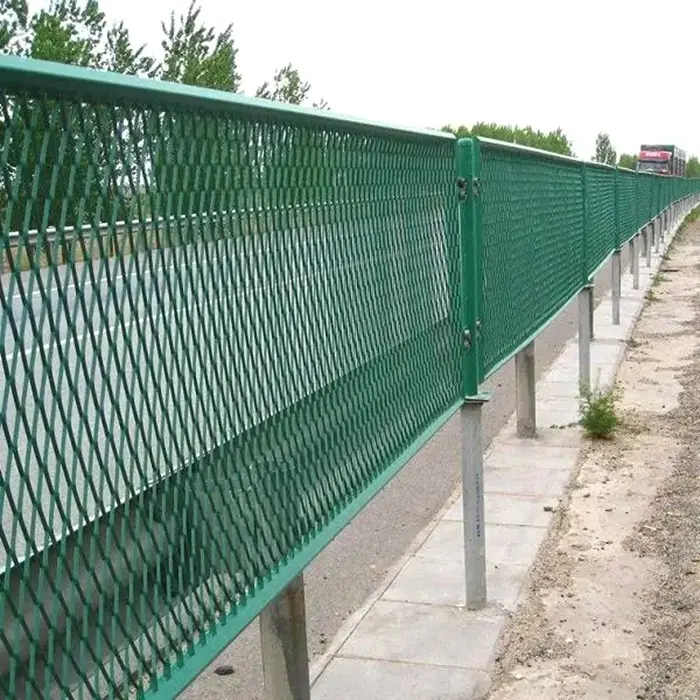

Why Anti Climb Fence Panels Are Becoming a Game-Changer Worldwide
If you hadn’t given much thought to security fencing before, now might be the time. Anti climb fence panels have quietly woven themselves into the fabric of modern safety and infrastructure projects around the world. From securing critical industrial sites in Europe to creating safe zones around sensitive humanitarian aid stations in Africa and Asia, these panels solve a problem everyone shares — how to keep certain areas secure, without extreme cost or complexity.
Globally, security concerns are rising. The United Nations reports increasing incidents of unauthorized access and vandalism affecting public and private sectors alike. That makes understanding the benefits of anti climb fence panels more crucial than ever.
The Global Context: Why This Matters More Than Ever
Let’s face it, we live in a time when security isn’t just a luxury, but a necessity. Whether it’s keeping wildlife reserves safe, border control, or industrial sites protected, breaches cost governments and companies billions annually. The World Bank’s data underlines a spike in urban crimes and industrial sabotage in many fast-developing countries, underscoring the demand for reliable perimeter solutions.
Traditional fencing often falls short: easy to scale or cut, sometimes costly to maintain. Enter the anti climb fence panels — designed specifically to be hard to grip or get a foothold on, making unauthorized access frustratingly difficult.
Mini Takeaway:
- Security fencing is a global imperative, increasingly so with urbanization and industrial expansion.
- Anti climb fence panels address common vulnerabilities in traditional fences.
- Reliable perimeter control supports safety, economic stability, and community trust worldwide.
What Exactly Are Anti Climb Fence Panels?
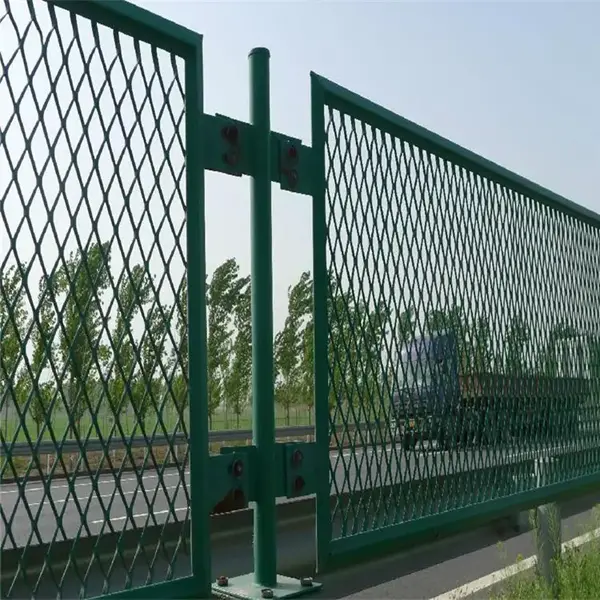
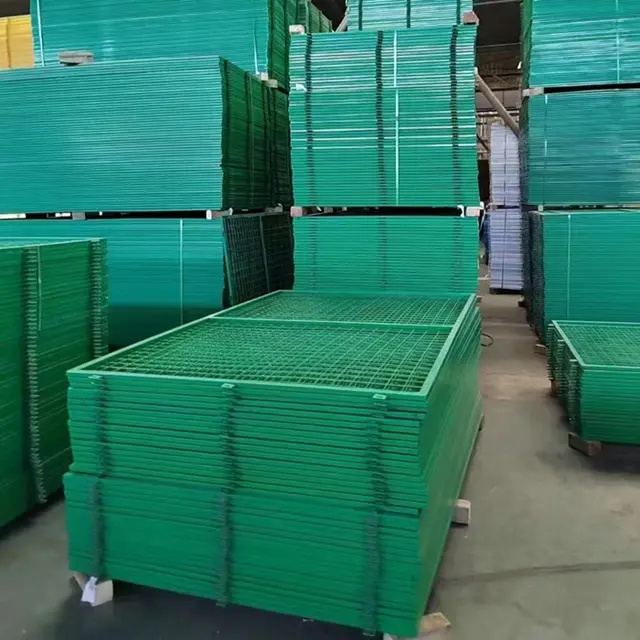
Put simply, anti climb fence panels are specially manufactured steel or metal mesh panels designed with a tight weave and minimal gaps to prevent climbing. They typically feature smooth or angled surfaces with no horizontal rails, which removes obvious footholds.
Think of them as the fortress walls of today’s fencing world — less about aesthetics, more about function. Their design is tied closely to modern needs like securing infrastructure, prisons, schools, airports, and even humanitarian sites, where keeping out unauthorized individuals can be critical for safety and dignity.
The Core Features That Make Them So Effective
1. Durability
These panels are often galvanized and powder-coated, ensuring resistance to rust, weather, and wear. I’ve seen cases where fences survive coastal storms or desert heat for decades.
2. Anti Climb Design
With mesh openings as small as 12.7 mm and panels that are smooth to touch, there’s simply no way to get a solid hand or foot grip. This design principle is what differentiates them from general fencing.
3. Scalability and Modularity
These panels come in modular sizes and are easy to install in a variety of site layouts — from straight industrial perimeters to complex urban boundaries.
4. Cost Efficiency
Compared to security walls or electronic monitoring alone, panels offer a cost-effective barrier. Their low maintenance also means fewer ongoing expenses.
5. Visual Deterrence
Their imposing look often deters potential intruders before they even try — which is half the battle won.
6. Compliance and Standards
Many panels meet or exceed ISO standards specific to industrial and security fencing, ensuring quality and performance.
Mini Takeaway:
- Anti climb fence panels combine material science with smart design to deliver reliable security.
- Durability and anti climb features reduce both direct and indirect costs related to perimeter breaches.
- Easy installation and maintenance help organizations adapt quickly to evolving needs.
Where in the World Are These Panels Making an Impact?
If you think fencing is uniform everywhere, think again. Different regions put these rugged panels to work in ways that fit their own challenges:
- Europe: Airports, data centers, transformer stations use anti climb fence panels extensively to maintain tight security and comply with strict regulations.
- Africa: Post-conflict zones and refugee camps rely on these fences for managing safe zones, protecting humanitarian workers and vulnerable communities.
- Asia: Industrial parks and manufacturing zones growing rapidly leverage these fences for theft prevention and worker safety.
- Americas: Correctional services and schools increasingly deploy anti climb fencing to enhance safety with minimal disruption to environment.
One memorable example comes from a mid-sized tech park in Germany, where upgrading to anti climb panels reduced intrusion attempts by 70% within the first year — a tangible ROI that’s hard to ignore.
Advantages That Go Beyond Just Security
Cost savings and durability aside, anti climb fence panels also add layers of social and psychological benefits. People feel safer knowing the site is secure, boosting staff morale and community trust.
For businesses, there’s the added factor of safeguarding intellectual property and assets, which supports innovation and growth — the true backbone of progress.
Looking Ahead: Emerging Trends and Innovations
The security fencing industry isn’t standing still. We’re starting to see eco-friendly panels made from recycled metals, integrated with solar-powered lighting, and even smart fence systems fitted with sensors that detect tampering or movement.
Digital transformation is nudging these fences into the IoT (Internet of Things) realm — imagine your fence telling you, in real time, about an intrusion attempt or a weather-based maintenance need.
Overcoming Challenges and Finding Solutions
Of course, no solution is perfect. Some users worry about the aesthetics — the panels look utilitarian and can be imposing. That’s where customization in color coatings and heights comes in handy, allowing better integration with landscapes.
Another hurdle is installation on uneven terrain — however, thanks to their modular nature and flexible mounting options, engineers can often adapt faster than you’d expect.
Product Specification Table
| Specification | Typical Value | Notes |
|---|---|---|
| Panel Dimensions | 2.5m (L) x 2.0m (H) | Modular sizes available |
| Mesh Opening | 12.7 x 76.2 mm | Small gap to prevent climbing |
| Material | Galvanized steel with polyester powder coating | Corrosion-resistant |
| Finish | Smooth, anti-climb surfaces | Safe, minimal footholds |
| Post Type | Square tubular steel, 60x60mm | Robust and customizable height |
| Installation | Bolt-fixed or welded | Depends on site conditions |
Vendor Comparison: Finding the Right Fit
| Vendor | Material Quality | Customization | Pricing | Delivery Time | Warranty |
|---|---|---|---|---|---|
| FenceSecure Ltd. | Premium galvanized + powder coating | High (colors, sizes) | $$$ | 3-4 weeks | 10 years |
| Global Fence Co. | Standard galvanized steel | Medium (predefined sizes) | $$ | 2-3 weeks | 5 years |
| EcoGuard Panels | Recycled steel with eco coating | Low | $$ | 4-5 weeks | 7 years |
Frequently Asked Questions About Anti Climb Fence Panels
Q1: How do anti climb fence panels differ from regular mesh fences?
A1: Anti climb fence panels are designed with smaller mesh openings and lack horizontal rails that provide footholds. This makes climbing extremely difficult or impossible compared to regular mesh fences, which often have larger openings and support rails, making them easier to scale.
Q2: Can anti climb fence panels be customized for different heights and colors?
A2: Absolutely. Most manufacturers offer a range of customizable options, including panel height, post types, and color coatings. This helps the fence blend into different environments or meet specific safety requirements.
Q3: How long do these fences typically last in harsh environments?
A3: Thanks to galvanized steel and powder coating finishes, anti climb fence panels can last 10 to 20 years or more, even in coastal or industrial areas with corrosion risks. Regular maintenance can extend their lifespan further.
Q4: Are anti climb fence panels eco-friendly?
A4: Modern panels increasingly use recycled metals and eco-friendly powder coatings. Some vendors even offer recyclable components, making these fences more sustainable than ever before.
Q5: Is it possible to install anti climb fences on uneven terrain or slopes?
A5: Yes, their modular designs and adjustable post systems make it feasible to install these panels on slopes or irregular ground, maintaining consistent security coverage.
Wrapping It Up: Why Anti Climb Fence Panels Are Worth Your Attention
In the big security puzzle, anti climb fence panels offer a versatile, durable, and cost-effective piece. They’re not just about keeping trespassers out, but protecting assets, people, and even the dignity of communities worldwide.
Interested in enhancing your project’s security with trusted, well-designed anti climb fence panels? Visit our website at https://www.fencingwiremesh.com and explore options tailored to your needs!
Final Mini Takeaway:
- Anti climb fencing is an evolving solution addressing diverse global security challenges.
- The intersection of durability, design, and sustainability makes it a smart investment.
- Future tech will only amplify their effectiveness and integration into smart infrastructure.

.webp "Manufacturing process and protective effect of razor barbed wire")