
The Rising Importance of No Climb Security Fence in a Changing World
If you’ve ever wondered how critical securing perimeters has become globally — well, no climb security fence is at the heart of that discussion. Not just a generic barrier, these fences literally stop climbing, increasing security in spaces ranging from industrial sites to humanitarian camps. As the world grows more interconnected and challenges like urban growth, migration, and crime rise, understanding what makes a no climb security fence valuable feels increasingly urgent. They’re not just physical boundaries; they’re trust builders, safety enhancers, and logistical cornerstones.
In real terms, they answer a big need: how to protect assets, people, and sensitive areas without the constant expense of personnel or risky confrontation.
Global Context: Why No Climb Security Fence Matters More Than Ever
Look at the data from global organizations like the United Nations or the World Bank — security infrastructure investments have surged in recent years, especially in fast-growing urban areas and vulnerable zones. For example, the World Bank notes a steady rise in spending on public safety systems world-wide, reaching billions annually. With growing population densities and increased disruptions, protection strategies must evolve.
Traditional fences aren’t enough. In many regions — think fast-developing cities in Asia or sensitive industrial hubs in Europe and North America — criminals, pests, or even wildlife find ways over or under old barriers.
That’s where no climb fences come in as a problem solver. They prevent scaling and reduce breaches, addressing the rising challenge of perimeter security in both peacetime and critical humanitarian scenarios.
So, What Exactly Is a No Climb Security Fence?
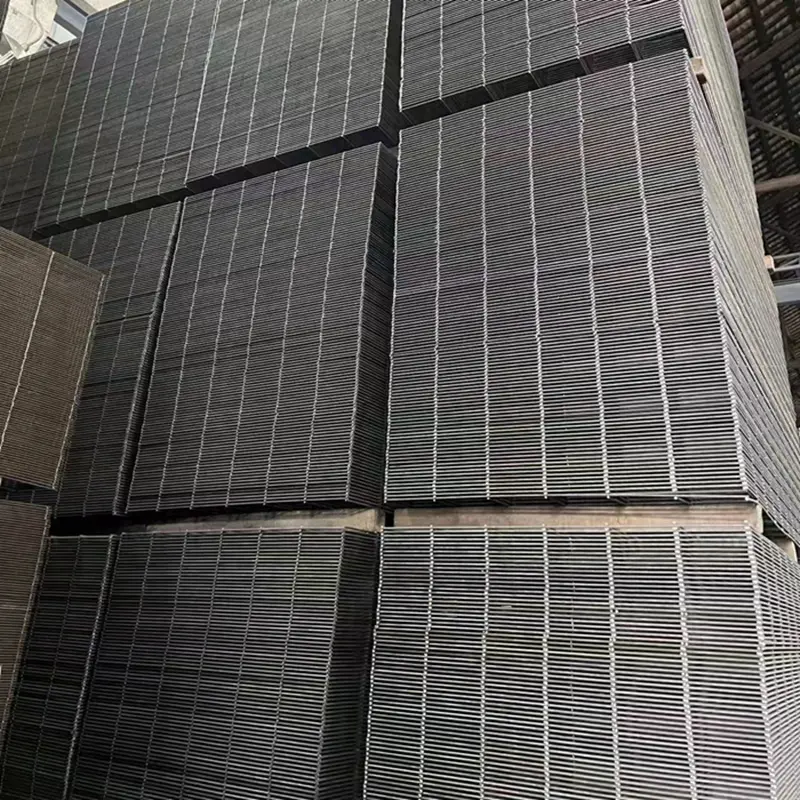
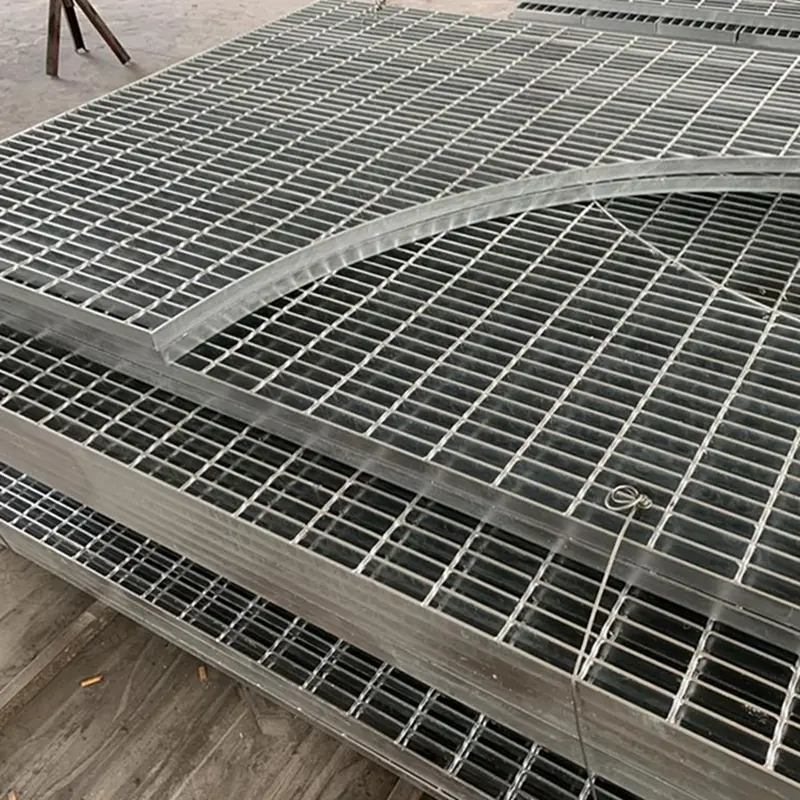
Simply put, a no climb security fence is a type of barrier designed with small mesh panels and rigid construction that makes climbing virtually impossible. The meshes are tight — often in the range of 12.5mm x 76.2mm — so there’s no handhold or foothold for potential climbers. It’s stronger and more durable than typical wire fencing and often powder-coated for weather resistance.
Used heavily in prisons, airports, industrial plants, and refugee camp perimeters, these fences blend safety with functionality. They’re connected to modern industry needs for high-security solutions where downtime or breaches can have major consequences, but also humanitarian needs where dignity and protection matter.
Core Elements That Make No Climb Security Fence Stand Out
Durability
One thing I’ve noticed is just how tough these fences are. Made from galvanized steel with polyester powder coatings, they resist corrosion, UV degradation, and physical impact for years. On industrial sites where wear and tear is routine, durability isn’t just an advantage—it’s essential.
Anti-Climb Design
It’s not just the tight mesh pattern. The geometry of the panels is designed so that climbing is physically impossible — no gaps to grip or step on. Sometimes, the top of the fence incorporates angled anti-climb extensions or razor wire, which is a brutal but effective deterrent.
Scalability & Customization
Whether you need kilometers around a factory in Australia or a small secure zone at a refugee camp in Kenya, these fences come in modular panels that adapt to any length or terrain. Custom heights, colors, and security additions mean the fence can meet varied regulatory and aesthetic demands.
Cost Efficiency
At first glance, no climb fencing seems more expensive than chain-link or expanded metal fencing. But if you factor in long-term durability, lower maintenance, and far fewer security incidents, the upfront cost evens out. Many operators tell me the peace of mind alone justifies the investment.
Environmental Resistance
Designed for climates ranging from arid deserts to humid jungles, these fences hold up in tough conditions. Salt spray, heavy rainfall, even freezing temperatures won’t quickly degrade the materials—important in harsh environments where replacements can be a logistical nightmare.
Integration With Technology
Increasingly, no climb fencing isn’t just physical. Built-in corridors support sensors, cameras, and alarm wiring. This tech synergy is a game changer, turning a passive barrier into an active security system.
Mini takeaway:
No climb security fences are more than steel and mesh—they’re a balanced package of durability, design, and adaptability that solve modern fencing challenges elegantly.
Where in the World Are No Climb Security Fences Making a Difference?
Let’s zoom out and check the global impact. In urban industrial zones—like automotive plants around Germany or semiconductor fabs in Taiwan—the fences guard against costly sabotage or theft. In the Middle East and parts of Africa, NGOs use no climb fences to secure refugee camps, adding a much-needed layer of dignity by maintaining safe boundaries without looking sinister.
Security agencies at airports in the UK and Canada depend on no climb fencing to safeguard perimeter access, responding to the complex blend of safety and operational needs. Oddly enough, even wildlife preserves use these fences in places where poachers have been a problem, showing how versatile the system really is.
In disaster relief scenarios—where quick setup and reliable security are vital—no climb fences help keep vulnerable populations safe while logistics play catch-up. Often, they form part of a temporary but crucial infrastructure.
Mini takeaway:
From dense cities to remote humanitarian zones, no climb security fencing is quietly supporting sectors where protection cannot afford to fail.
Advantages and Long-Term Value You Can Count On
- Cost savings: Reduced theft and vandalism means fewer interruptions and repairs.
- Safety and dignity: Especially in refugee camps, a secure but humane perimeter fosters well-being.
- Reliability: Minimal maintenance and long lifespan reduce operational headaches.
- Social impact: Enhanced facility security often improves community confidence around industrial zones or public areas.
Emotionally, there’s an undeniable peace of mind in knowing that a strong physical barrier stands guard. You can almost feel the invisible forcefield it provides—less worry, more trust in safety protocols.
Looking Ahead: The Future of No Climb Security Fencing
Technology keeps pushing boundaries. Imagine fences embedded with solar-powered lighting or smart sensors that not only detect intrusion but predict and notify about unusual activity before breaches happen. Integration with AI-driven security systems isn’t sci-fi anymore—it’s unfolding now.
Green initiatives are also shaping material choices. Recyclable coatings, less carbon-intensive steel processing, and modular designs that reduce waste during installation and replacement are becoming industry standards.
Fabrication techniques continue to improve as well, with advanced galvanization and powder coating methods enhancing longevity and reducing environmental footprints.
Challenges in Deployment—and How to Overcome Them
Despite all positives, no climb fences aren’t free from issues. Initial investment can be steep — leading some smaller operators to shy away. Plus, installation requires skilled labor and planning, especially in uneven terrain or sensitive ecosystems.
Vandalism or extreme weather—think wild storms or landslides—pose risks too. But innovative anchoring solutions and rapid repair kits help mitigate downtime.
Experts suggest modularity and phased installation as ways to ease budget impacts. And community engagement, especially in humanitarian projects, smooths acceptance and reduces deliberate damage.
Mini takeaway:
Practical challenges exist but are not deal-breakers; clever planning and technology integration help keep no climb fencing ahead of threats.
Product Specifications at a Glance
| Specification | Typical Value |
|---|---|
| Mesh Size | 12.5mm x 76.2mm |
| Material | Galvanized steel with polyester powder coating |
| Panel Height | 2.4m to 3m (custom available) |
| Panel Width | 2.5m standard |
| Finish | Powder-coated (various colors) |
| Security Features | Anti-climb mesh, optional razor wire topping |
Comparing Top Vendors for No Climb Security Fence Solutions
| Vendor | Global Reach | Customization | Average Lead Time | Warranty |
|---|---|---|---|---|
| SecureMesh Ltd. | Europe, Asia, Africa | High (color, size, extra features) | 4-6 weeks | 10 years |
| FencePro International | Americas, Middle East | Medium (mostly size, finish) | 3-5 weeks | 7 years |
| BarrierTech Solutions | Global | High (modular options, sensors) | 6-8 weeks | 12 years |
Frequently Asked Questions About No Climb Security Fence
Q1: How does a no climb security fence compare with traditional chain-link fencing?
The key difference lies in design. No climb fences use very small mesh openings preventing footholds and handholds, making them practically unclimbable. Chain-link fences have diamond-shaped larger openings, which can be used to scale it easily. Over time, no climb fencing also proves more durable and secure, justifying higher upfront costs.
Q2: Can these fences be customized for different security levels or environments?
Absolutely. Many manufacturers offer modular panels, variable heights from 2.4m to 3m or more, color finishes to blend with surroundings, and features like razor wire topping or integrated sensor wiring. This adaptability makes them popular across sectors, from industrial sites to humanitarian camps.
Q3: What maintenance does a no climb security fence require?
Thanks to galvanized steel and powder coatings, maintenance is minimal. Periodic inspections for damage after storms or potential vandalism are advisable, as well as ensuring any integrated tech (like sensors) remains functional. Overall, these fences reduce lifecycle costs compared to older types.
Q4: Are these fences suitable for temporary or emergency deployments?
Yes. Some models come with quick-install modular systems that NGOs and disaster relief teams use to establish secure zones rapidly. Their combination of durability and ease-of-installation makes them invaluable where both speed and security are priorities.
Q5: Where can I learn more or get a quote for no climb security fencing?
For detailed specifications and direct vendor contacts, visit trusted platforms such as no climb security fence. They provide product catalogs, case studies, and connections to suppliers worldwide.
Wrapping It Up: Why No Climb Security Fence Should Be on Your Radar
From my conversations with security professionals and field engineers, no climb security fencing often isn’t the flashiest solution—but it’s one of the most effective and trusted around. It offers reliability, adaptability, and peace of mind that few other security solutions match.
Whether you’re safeguarding critical infrastructure or ensuring safety in sensitive humanitarian settings, choosing a no climb security fence is a long-term investment in protection and trust.
Interested in exploring options? Visit https://www.fencingwiremesh.com to learn more and find products tailored to your needs.