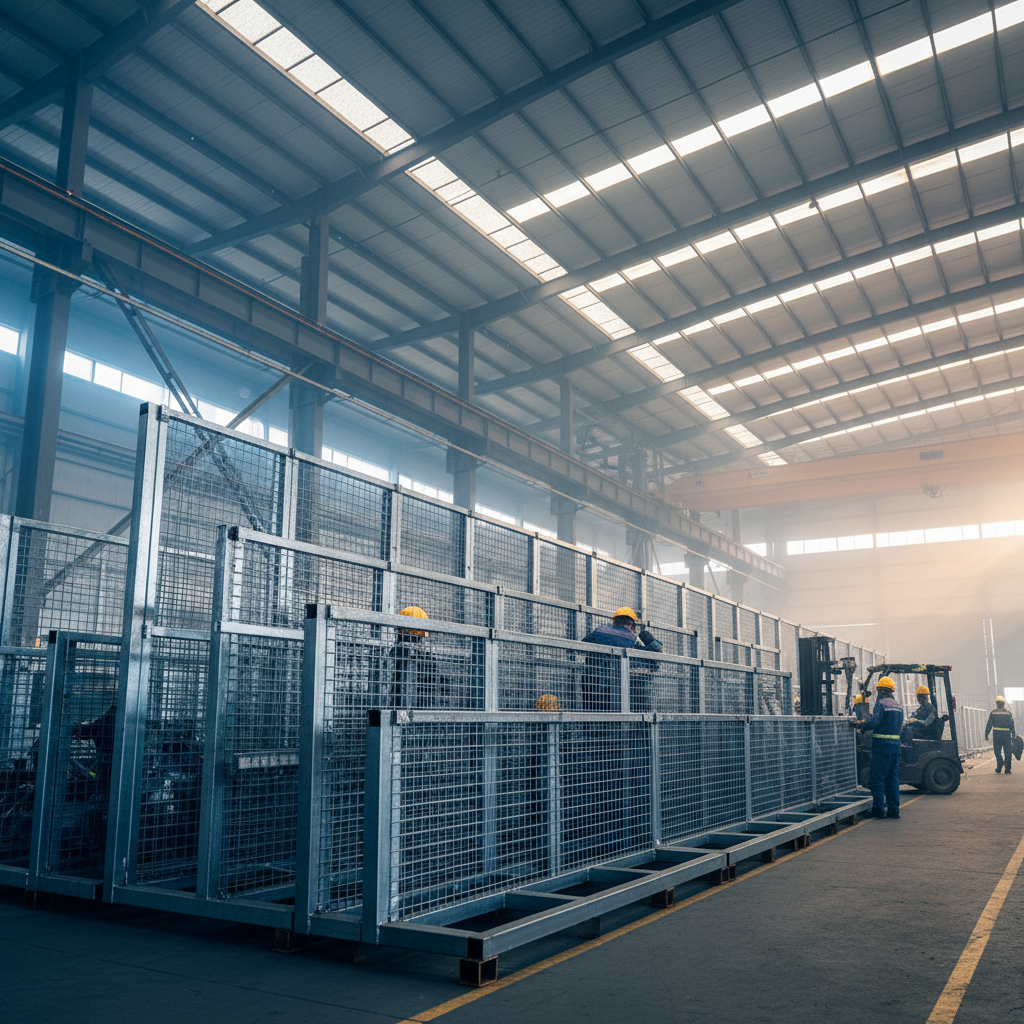

Understanding the Green Anti Climb Fence: Why It Matters Today
In a world where security challenges and environmental consciousness grow simultaneously, the green anti climb fence emerges as a fascinating solution. It’s not just a barrier—the green anti climb fence combines effective security with a more pleasing aesthetic and lower environmental impact. But why should companies, governments, or municipal planners worldwide pay attention? Simply put, these fences address a serious global need: safeguarding critical installations, public spaces, and sensitive areas without resorting to harsh, industrial-looking security measures that can degrade landscapes or stigmatize communities.
Understanding this type of fencing means acknowledging a trend: the move towards smarter, sustainable security that doesn’t scream “danger” but protects just as well.
Global Context: The Growing Importance of Green Anti Climb Fence Solutions
Across the globe, securing assets and spaces is getting more complicated. The United Nations Office on Drugs and Crime notes rising incidents of theft and vandalism in many regions. At the same time, ISO standards increasingly highlight sustainability and safety in infrastructure.
Now, add the push for greener urban planning—about 55% of the world’s population currently lives in cities, expected to climb to 68% by 2050 (UN data). This means fences in urban and suburban areas can’t just be functional; they must blend, soften, even contribute to environmental goals.
Enter green anti climb fences, which are designed to keep people in or out without the harsh visual impact of traditional security fencing—exactly the nuance modern planners seek.
So, What Exactly Is a Green Anti Climb Fence?
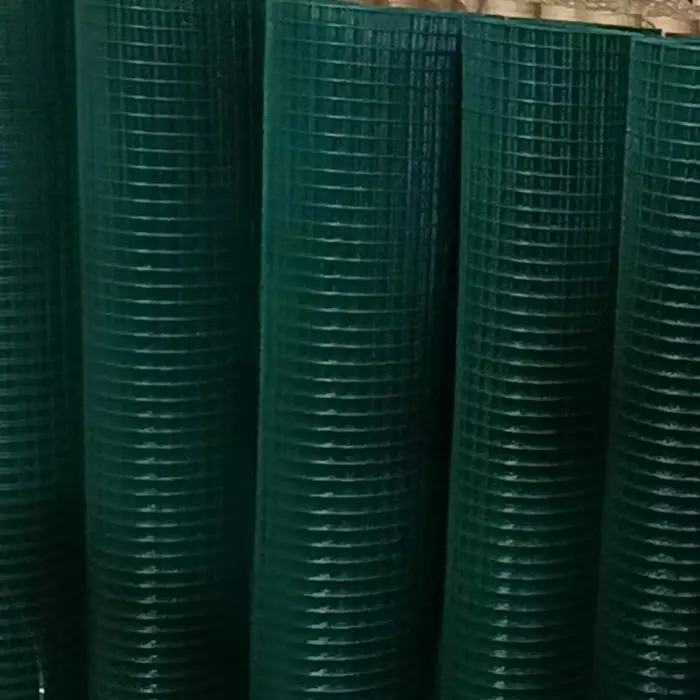
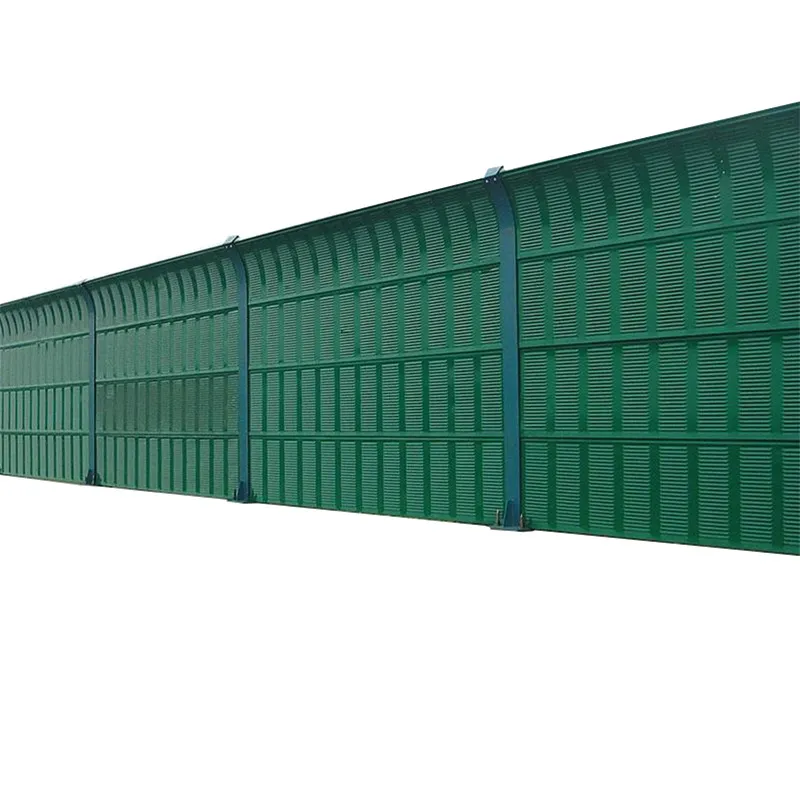
In simplest terms, a green anti climb fence is a security fence coated or painted in green (to match natural surroundings), designed specifically to deter climbing and unauthorized access. Unlike typical chain-link or barbed-wire fences, these fences feature tight mesh or welded wire panels that are extremely difficult to climb over or cut through.
But the green coating is more than cosmetic—it reduces heat absorption (beneficial in sun-exposed areas) and helps the fence integrate with vegetation, making it less of a visual blight. This makes such fences especially useful at parks, schools, industrial zones, and even humanitarian sites needing secure boundaries without fortress vibes.
Mini takeaway:
The green anti climb fence shines because it blends security with environmental and aesthetic considerations—a subtle but powerful balance.
Key Components That Define Green Anti Climb Fences
1. Durability and Strength
These fences are typically constructed using galvanized steel wire or stainless steel welded panels. The wire mesh is tight and hard to snag, making climbing almost impossible. Additionally, the steel is treated to resist rust and degradation, which is vital for long-term reliability.
2. Anti-Climb Mesh Design
The intricate mesh spacing leaves no footholds or handholds for intruders. This design is critical; otherwise, a fence—even tall—can be scaled by a savvy trespasser.
3. Eco-friendly Coating
The “green” aspect usually comes from polyester powder coating or similar finishes that protect the metal while offering a dark green shade. This coating reduces the need for frequent repainting, cutting down on chemical use and waste.
4. Scalability & Modular Installation
Manufacturers design panels that can be easily attached to posts and combined for a quick installation over various terrain types—whether it’s uneven ground near industrial sites or flat urban environments.
5. Cost Efficiency Over Time
Though initial costs may be slightly higher than standard fencing, the longevity and minimal maintenance result in better value over years.
Mini takeaway:
It’s the combination of strength, smart design, eco-conscious coating, and ease of installation that sets these fences apart in the practical world.
Around the World: Where and How Green Anti Climb Fences Are Used
From Europe’s expanding urban green initiatives to Australia’s sensitive wildlife reserves, green anti climb fences have found diverse applications:
- Public schools: Many municipalities prefer these fences for playgrounds and campuses because they offer safety without an institutional, prison-like feel.
- Industrial zones: Facility managers in the Middle East and Asia use these fences to secure perimeters against theft while cutting down glare and heat absorption.
- Post-disaster relief camps: Humanitarian organizations favor them for quickly deployed secure zones that don’t alienate displaced people.
- Nature reserves and parks: To protect flora and fauna, such fences merge with natural scenery in Africa and South America.
For example, a utility company in Germany replaced rusted chain-link fencing with green anti climb fences at several substations. They noted not only improved security but positive feedback from neighbors who appreciated the less stark look.
Advantages and Long-Term Value You Might Not Expect
The benefits of green anti climb fencing aren’t just technical; they run deep:
- Cost savings: The combination of durable material and powder coating reduces repaint frequency and replacement costs.
- Sustainability: Longer lifespan and lower chemical use align well with ISO 14001 environmental management standards.
- Social trust: Visually calming fences can foster better neighborhood relations, reducing vandalism incidents.
- Safety and dignity: Suitable for schools or shelters without turning the space into a fortress.
- Adaptability: Easily customized for height, panels, gates, or combined with surveillance tech.
Product Specification Table
| Feature | Details |
|---|---|
| Material | Galvanized steel wire with polyester powder coating |
| Coating Color | RAL 6005 (Moss Green) or customizable shades |
| Panel Size | Typically 2m x 2.5m; custom lengths available |
| Mesh Aperture | 50mm x 200mm (anti climb pattern) |
| Height Options | Up to 3m, with extensions possible |
| Installation | Bolt-mounted panels on steel posts |
Comparing the Top Vendors of Green Anti Climb Fences
| Vendor | Material Quality | Customization | Pricing | Lead Time | Eco Credentials |
|---|---|---|---|---|---|
| SecureGreen Fencing Ltd. | High-grade galvanized & powder coat | Full color & size options | Mid to high | 3-4 weeks | ISO14001 certified |
| EcoBarrier Technologies | Standard galvanized wire | Limited color range | Budget-friendly | 2-3 weeks | Focus on recycled materials |
| GreenShield Security | Premium steel with UV powder coat | Custom mesh and heights | Higher premium | 4-5 weeks | Uses solar power for manufacturing |
Looking Ahead: Trends and Innovations In Green Anti Climb Fencing
Industry insiders keep an eye on several exciting developments:
- Integration with smart security: Cameras and sensors embedded into fence posts allow for real-time monitoring without bulky setups.
- Bio-composite materials: Experimentation with recycled plastics blended with fiber for lighter, eco-friendlier fencing options.
- Solar-powered lighting: Adding subtle illumination for nighttime visibility without increasing energy footprints.
- Modularity & quick deployment: Perfect for disaster relief scenarios or temporary secure zones.
Frankly, these fences might soon do a lot more than just block physical entry—they’ll form part of integrated security and sustainability ecosystems.
Challenges & Practical Solutions in Implementing Green Anti Climb Fences
No product is perfect, of course. Some challenges people face include:
- Initial Cost Concerns: The upfront investment can be higher than for basic fencing, which can deter budget-conscious clients.
- Maintenance in Harsh Environments: Coastal salt spray or industrial pollutants can still erode coatings over time.
- Vandalism: Even with anti-climb mesh, graffitis and markings can deface the fence.
Industry experts suggest: choosing vendors with strong warranty policies, investing in anti-graffiti coatings, and applying periodic inspections to catch minor damages early.
Frequently Asked Questions About Green Anti Climb Fence
- Q: How long does a green anti climb fence typically last?
- A: With proper installation and upkeep, these fences can last 15-20 years or more, especially when galvanized and powder-coated. Environmental factors will affect longevity.
- Q: Are green anti climb fences suitable for residential properties?
- A: Absolutely. Though often used in commercial or institutional settings, they can add security to home boundaries without sacrificing neighborhood aesthetics.
- Q: Can these fences accommodate gates and access control systems?
- A: Yes, they are compatible with a variety of gating solutions—from manual gates to electronic access control—to fit security needs.
- Q: How eco-friendly is the powder coating used on these fences?
- A: Powder coating produces less VOC emissions compared to traditional paints and tends to last longer, reducing repainting frequency and waste.
- Q: How quickly can a green anti climb fence be installed?
- A: Depending on site conditions and size, professional installation can take from a few days to a couple of weeks. Modular panel designs help speed up the process.
Wrapping Up: Why Green Anti Climb Fencing Is Worth Considering
At the intersection of security, sustainability, and design, the green anti climb fence presents a thoughtful solution that’s gaining traction worldwide. It’s not just about keeping places safe — it’s about doing so in ways that respect the environment and community aesthetics.
If you’re looking to enhance security with a mindful approach, consider exploring options at green anti climb fence. The future of fencing is green, strong, and smart.