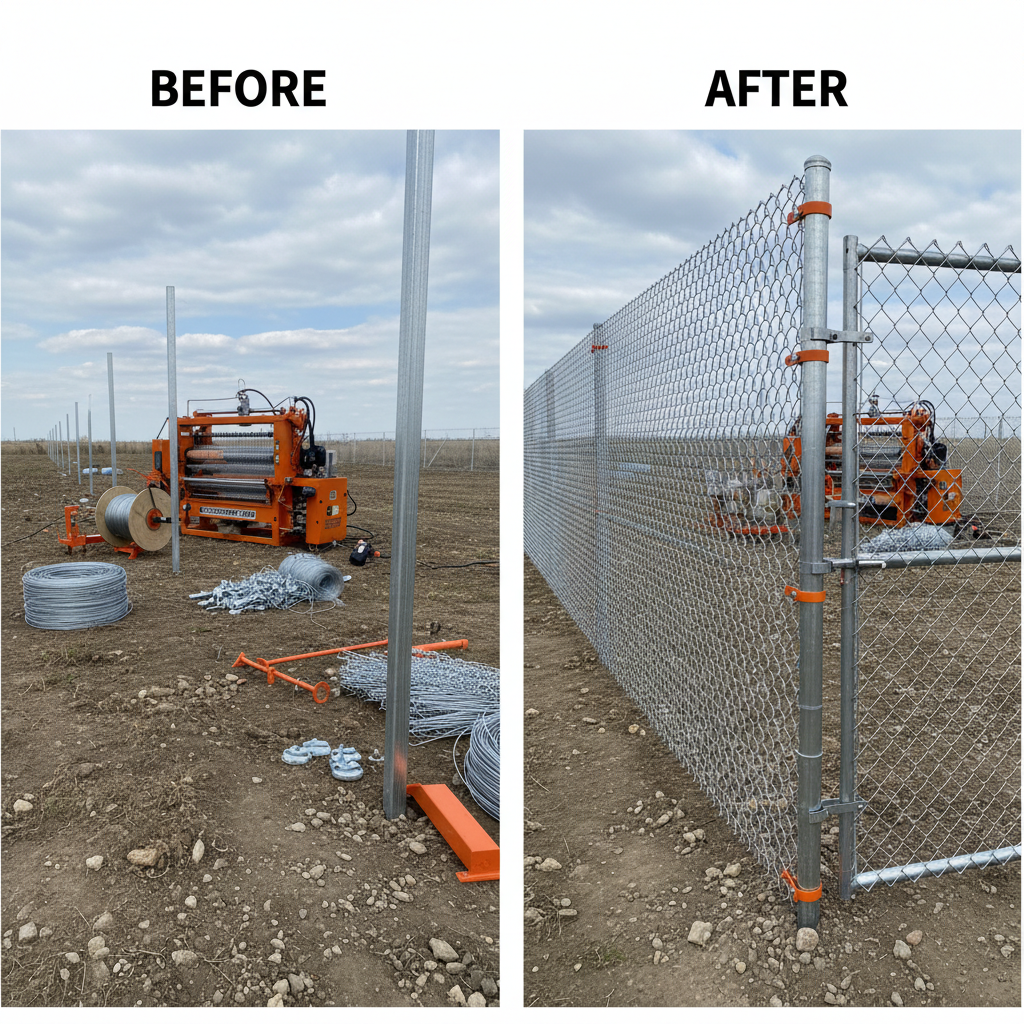

Galvanised Hexagonal Netting: A Veteran's Take on a Staple in Industrial Applications
Having spent over a decade in the industrial equipment sector, working closely with various mesh products, I can safely say that galvanised hexagonal netting remains one of the more versatile and reliable materials out there. Oddly enough, it’s often overlooked in favor of newer synthetic options, but its combination of durability, flexibility, and cost-effectiveness keeps it in steady demand, especially on construction and agriculture sites.
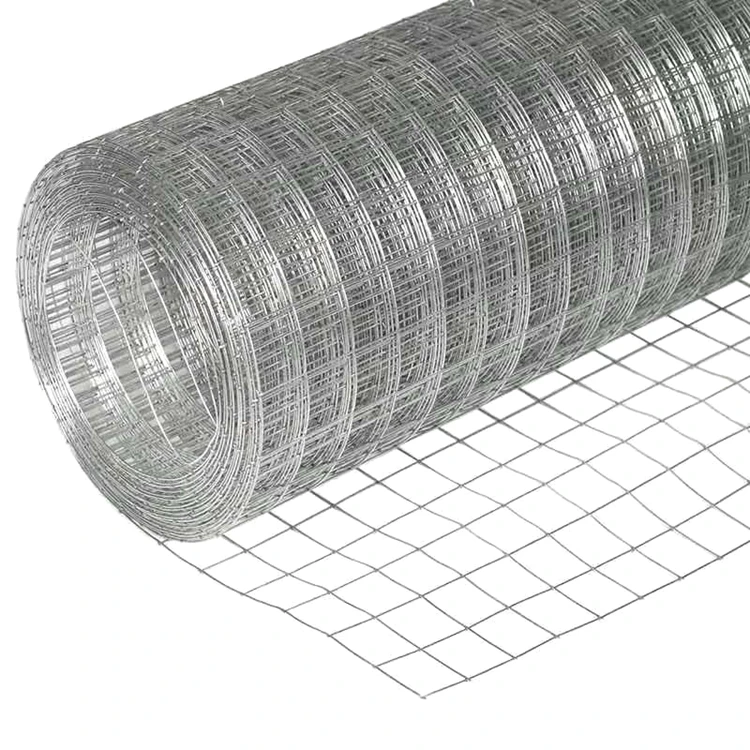
Now, to the uninitiated, what exactly is this material? Well, think of it as a mesh made up of interconnected hexagon-shaped wires, all galvanized — that is, coated with a protective layer of zinc to fend off rust and corrosion. This protective coating means it can withstand the harshest outdoor conditions, from damp environments to abrasive contacts. Frankly, in the trade, when we talk about longevity balanced with functionality, this stuff comes up a lot.
Some engineers I’ve worked with often emphasize how the hexagonal pattern distributes stress evenly, which reduces the chances of tearing or warping under pressure. Unlike square meshes, the honeycomb shape provides better tensile strength without bumping up the weight. For those repeatedly installing and removing fencing or reinforcement meshes, this means easier handling without compromising performance.
And speaking of handling, the galvanised wire itself varies in thickness, which directly affects both durability and flexibility. Over the years, I’ve noticed a subtle but crucial trend: clients increasingly request customized wire gauges to suit very specific applications. Maybe a chicken coop in a humid region, or reinforcement on a rocky embankment — each calls for slight tweaks in thickness, mesh size, or galvanisation weight.
Here’s an example – one of our longstanding customers, running an organic farm in the Pacific Northwest, swore by the galvanized hexagonal netting to secure their garden beds against persistent wildlife invasions. They found it easy to shape and strong enough to hold up against raccoons and deer alike. That kind of practical endorsement always favored this material in my book.
Of course, quality can vary depending on the galvanising method, wire diameter, and manufacturing standards. I recommend always checking specifications carefully. Here’s a quick rundown of typical galvanised hexagonal netting specs I’ve seen commonly used:
| Specification | Typical Range | Notes |
|---|---|---|
| Wire Diameter | 0.7 mm – 2.5 mm | Thinner wire for light fencing, thicker for reinforcement |
| Mesh Opening | 10 mm – 50 mm (hexagonal) | Custom sizes available, common sizes for animal control and structural uses |
| Coating Weight (galvanisation) | 40 – 275 g/m² | Thicker zinc layers for corrosion resistance in harsh environments |
| Roll Length | 25 m – 100 m | Common roll lengths, adaptable on request |
| Roll Width | 0.5 m – 2.0 m | Varies by use – smaller widths for fencing, wider for reinforcement |
Pulling some vendor comparisons into focus—since I often get asked which to pick—there isn’t a one-size-fits-all winner. A few key factors to keep in mind are galvanisation quality, wire uniformity, pricing, and how strict the vendor’s quality control is:
| Vendor | Galvanisation | Wire Diameter Range | Customization | Price |
|---|---|---|---|---|
| FencingWireMesh | Hot-dip galvanised, heavy coating | 0.8–2.0 mm | Extensive mesh and wire customization | Competitive balance of cost and quality |
| MeshCo | Electro-galvanised, lighter coating | 0.7–1.5 mm | Limited custom options | Lower price but shorter lifespan |
| Industrial Nets | Hot-dip galvanised with extra corrosion testing | 1.0–2.5 mm | Primarily standard sizes, custom on request | Premium pricing reflecting advanced quality |
In real terms, if you’re after something durable but don’t want to break the bank, vendors like FencingWireMesh hit a sweet spot for many of us on the ground. Still, I always advise clients to consider application specifics: is the mesh for temporary fencing? Livestock enclosures? Or perhaps structural reinforcement? That will guide your choice more than price alone.
One bit of advice I’ve come to appreciate over the years is to never underestimate the importance of proper installation. Galvanised hexagonal netting works best when tensioned correctly and fixed securely. And yes, corrosion resistance helps, but mechanical wear and tear can sneak up fast if the mesh isn’t stretched or nailed properly.
To sum it all up, galvanised hexagonal netting isn’t flashy or cutting-edge, but it’s steadfast. A reliable old friend in many projects, quietly doing its job without a fuss. It feels like one of those materials that just “knows” how to balance strength with flexibility, standing the test of both time and weather.
References (for those who want to dig deeper):
- BS EN 10223-3: Steel wire meshes – Welded meshes – Part 3: Hexagonal meshes
- Corrosion resistance testing methods for galvanized steel (ASTM A123)
- Industrial Mesh Products: Applications and Material Selection, Journal of Construction Materials, 2022