
Understanding Chain Link Fence Cost Per Linear Foot Installed
When securing a perimeter, whether for a residential backyard or a large industrial facility, understanding the chain link fence cost per linear foot installed is the first step in effective budgeting. Chain link fencing remains one of the most popular choices worldwide due to its unmatched balance of affordability, durability, and visibility. However, the total price is rarely a single flat rate; it fluctuates based on material gauge, height, coating, and regional labor costs. In this comprehensive guide, we will break down the pricing variables to help you make an informed investment for your property.
Factors Influencing the Chain Link Fence Cost Per Linear Foot Installed
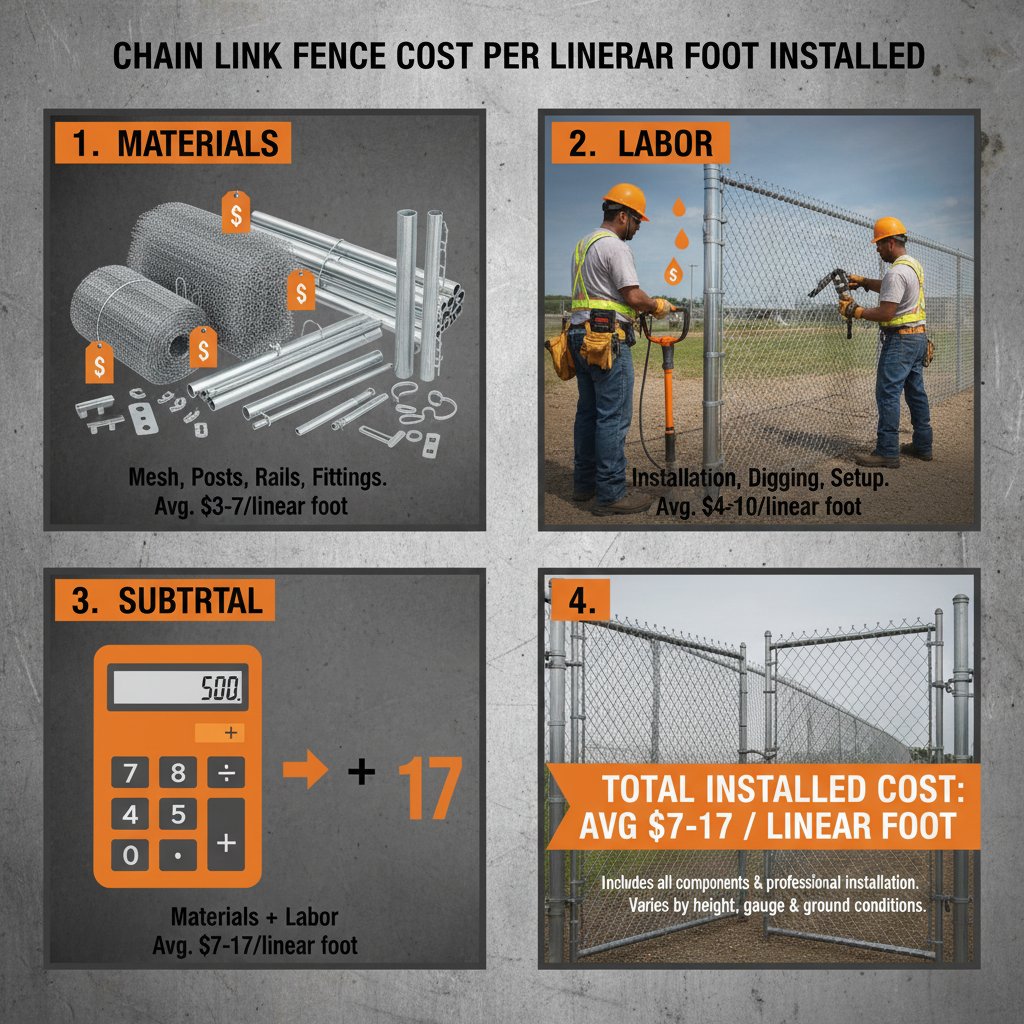
Several critical factors determine the final quote you receive from a contractor. The most significant variable is the material quality. For instance, galvanized steel is standard, but vinyl-coated options provide better corrosion resistance and a more aesthetic look, though they increase the price. Fence height also plays a role; a 4-foot residential fence requires fewer materials and less labor than an 8-foot high-security industrial fence. Additionally, the terrain of your installation site—whether it is perfectly flat or steeply sloped—can impact the labor hours required, directly affecting the chain link fence cost per linear foot installed.
Pro Tip: Always check the gauge of the wire. A lower gauge number means a thicker, stronger wire, which provides better security but may slightly increase the cost per linear foot.
Average Pricing Breakdown by Material and Height
To give you a clearer picture, we have analyzed market data to provide estimated pricing ranges. Generally, the chain link fence cost per linear foot installed typically falls between $15 and $35, but this varies by specification. The following table illustrates how different heights and coatings impact your total expenditure.
Labor Costs and Installation Complexity
While the materials are a fixed part of the equation, labor is where the chain link fence cost per linear foot installed can vary wildly. Professional installation includes site preparation, digging post holes, setting posts in concrete, stretching the fabric, and installing gates. If your property has rocky soil or requires the removal of an old fence, expect labor costs to increase. Hiring a certified professional ensures that the fence is tensioned correctly, preventing the "sagging" effect common in DIY installations.
Comparing Chain Link to Other Fencing Options
When evaluating the chain link fence cost per linear foot installed, it is helpful to compare it with other materials like wood or vinyl. Chain link is almost always the most cost-effective option for large areas. While wood offers more privacy, it requires frequent staining and is prone to rot. Vinyl is low-maintenance but significantly more expensive. For those seeking a secure yet budget-friendly boundary, chain link provides the highest ROI in terms of longevity and initial cost.
Why Choose Chain Link?
• Lowest installation cost per linear foot
• High durability and minimal maintenance
• Excellent for security and visibility
• Fast installation compared to masonry or wood
Technical Specifications for High-Quality Installations
To ensure you are getting the best value for your chain link fence cost per linear foot installed, you should be aware of the technical specifications. The "gauge" refers to the thickness of the wire; for most commercial projects, 9-gauge or 11-gauge is recommended. The "mesh size" (the size of the diamond opening) also affects the strength. Below are the standard specifications we recommend for a long-lasting installation.
Conclusion: Balancing Budget and Quality
Finding the right chain link fence cost per linear foot installed requires a careful look at your specific needs. While the cheapest quote might seem tempting, investing in a slightly higher gauge or a professional installation can save you thousands in replacement costs over the next decade. By prioritizing material durability and expert labor, you ensure a secure perimeter that adds value to your property. Ready to secure your space? Explore high-quality materials at Fencing Wire Mesh today.
Frequently Asked Questions (FAQs)
Is it cheaper to install a chain link fence myself?
Yes, in terms of immediate cash outlay, a DIY project reduces the "installed" portion of the cost. However, chain link fencing requires specialized tools for stretching the fabric and precisely setting posts. If the tension is incorrect, the fence will sag within a year. Professional installation ensures the fence is plumb, tight, and durable, which often proves cheaper in the long run by eliminating the need for costly repairs.
How does vinyl coating affect the cost per linear foot?
Vinyl coating typically increases the cost by 15% to 30% compared to standard galvanized steel. The price increase is due to the additional manufacturing process and the cost of the PVC material. However, vinyl coating provides an extra layer of protection against rust and corrosion, making it ideal for coastal areas or high-moisture environments. It also allows for various colors, such as black or green, which blend better with landscaping.
What is the typical lifespan of an installed chain link fence?
A professionally installed chain link fence can last between 20 to 50 years. Galvanized steel fences typically last 20-30 years before showing signs of rust, while vinyl-coated fences can last longer if the coating remains intact. The lifespan is heavily dependent on the quality of the steel and the environment. Using high-grade materials from fencingwiremesh.com ensures that you are getting industrial-strength materials designed for longevity.
Does the ground type affect the installation price?
Absolutely. The cost of labor is a major part of the total installed price. Sandy or soft loam soil is easy to dig, keeping costs low. However, if your property has heavy clay, rocky terrain, or frozen ground, contractors may need to use power augers or specialized equipment, which increases the labor fee. Additionally, slopes require "stepping" or "raking" the fence, which takes more time and precision than a flat installation.