
Understanding Coated Chicken Wire Mesh: Durability Meets Practicality
Having spent quite a few years in the industrial equipment sector, I’ve developed a particular appreciation for materials that manage to balance ruggedness with versatility. Coated chicken wire mesh fits right into this category. It’s one of those deceptively simple products that quietly performs a whole host of protective and supportive roles across industries.
You could say it’s a classic, but oddly enough, coated chicken wire mesh continues to innovate in coatings and application techniques — so it stays relevant even with newer fencing and containment alternatives out there. Frankly, it feels like it was born to take the knocks that outdoor and industrial environments often deliver.
What Exactly Is Coated Chicken Wire Mesh?
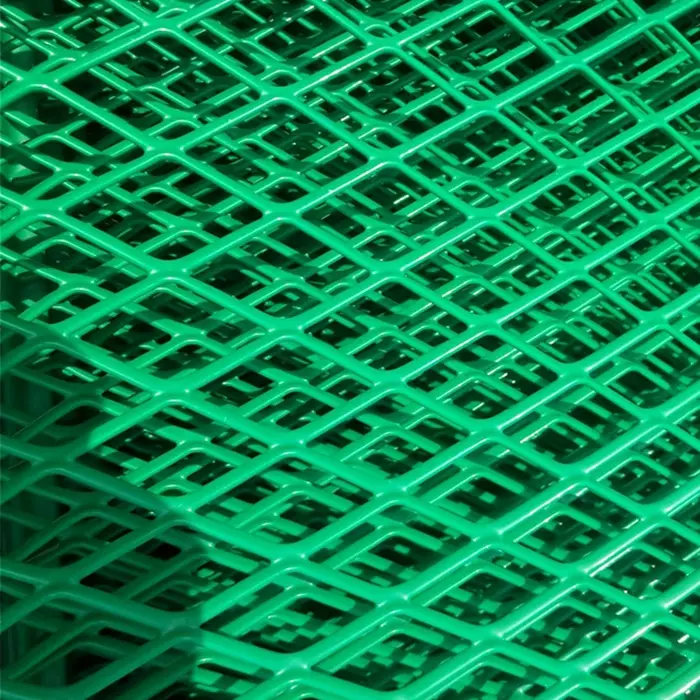
At its core, chicken wire mesh is hexagonal-patterned wire mesh—usually galvanized steel. The “coated” part typically refers to an additional protective layer, most often PVC or sometimes polyethylene, which encases the galvanized mesh. This coating improves corrosion resistance, enhances durability, and even improves the mesh’s flexibility. Many engineers say that the coated layer effectively extends the life of the mesh, especially in harsh weather or chemical environments.
I remember a client once who was using bare galvanized mesh for their chicken pens near coastal waters. The rust appeared a lot quicker than anticipated — talk about a costly maintenance headache. Switching to a PVC-coated option made a noticeable difference; the mesh stayed intact through salty, humid seasons better than anything they’d tried before.
Material Specs: What to Expect
| Specification | Details |
|---|---|
| Wire Diameter | 0.9 mm to 2.0 mm |
| Mesh Size (hexagonal openings) | 12.7 mm to 50 mm |
| Coating Thickness | 0.15 mm - PVC, varying by vendor |
| Material | Galvanized Steel with PVC or PE coating |
| Roll Lengths | 25 m to 50 m standard |
| Roll Widths | 0.5 m to 1.2 m typical |
Why Pick Coated Chicken Wire Mesh?
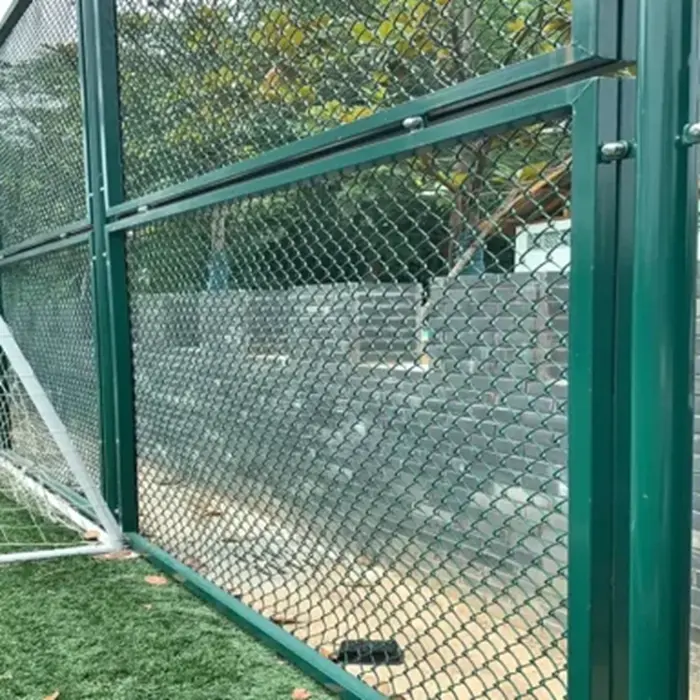
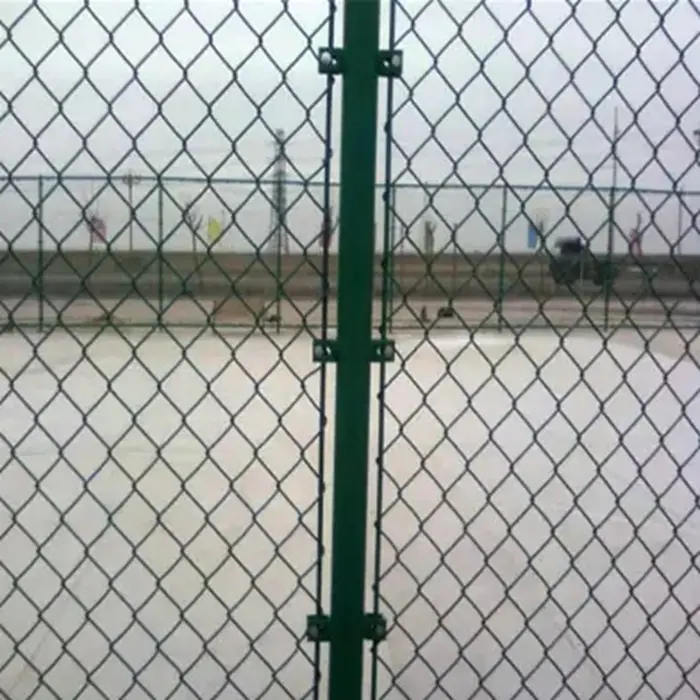
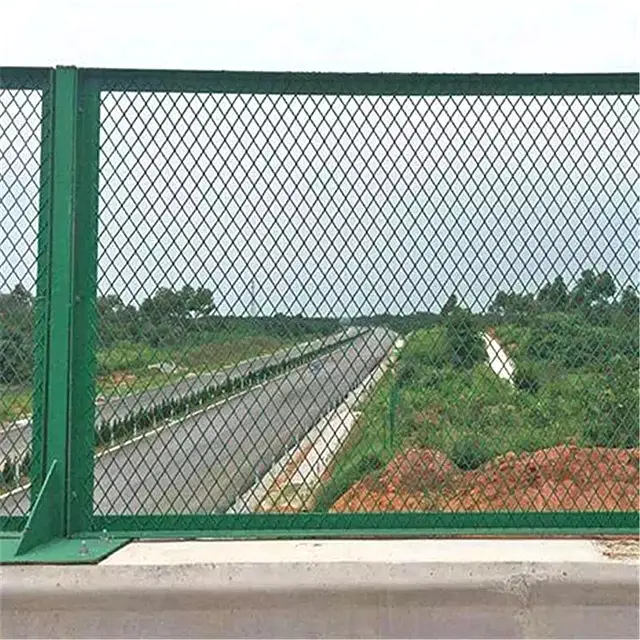
There’s a simple reason coated chicken wire mesh is a staple in both agricultural and light industrial sectors: it offers excellent resistance to rust without sacrificing strength. Given how exposed fencing or cages often are to weather extremes or chemical exposure, a coating can save a lot of time and money on maintenance.
Plus, the coating helps the material maintain that slight flexibility chicken wire needs—this means it’s easier to install and less likely to snap under load or impact. Oh, and the coating also tends to give the mesh a cleaner, less industrial look. Some farmers told me it’s a small thing, but a nicer appearance actually helps when their enclosures are in public view, not just hidden behind barns.
Comparing Vendors: A Quick Look
| Vendor | Coating Type | Warranty | Customization Options | Price Range |
|---|---|---|---|---|
| WireCo | PVC (0.15 mm) | 3 years | Roll widths, mesh size, wire diameter | $$ |
| MeshMaster | PVC/PE blend (variable thickness) | 5 years | Custom coatings, roll length modifications | $$$ |
| EcoFencing | Eco-friendly PE coating | 2 years | Mesh size and wire thickness only | $ |
Customizing to Your Needs
One thing I’ve noticed over the years is that the best-coated chicken wire mesh suppliers provide flexibility on roll widths, wire gauge, and coating thickness. Oddly enough, even slight adjustments in mesh size can make a big difference depending on whether you’re keeping small animals in or protecting a garden from intrusion.
And when it comes to coatings, some vendors offer UV-resistant layers or specialized colors—which might seem trivial until you’re trying to blend fencing into a natural environment or extend your mesh’s outdoor lifespan in high-UV areas.
So don’t underestimate the value of talking directly to your supplier about your environment and usage — it seriously pays off.
Final Thoughts
In real terms, coated chicken wire mesh feels like one of those industrial workhorses — quietly reliable, more capable than it looks, and a solid investment if you pick one with the right coating for your needs. Whether you’re fencing in animals, reinforcing structures, or just need a long-lasting, cost-efficient mesh product, this stuff usually delivers.
If you’re considering options, I’d definitely recommend checking out reputable vendors with flexibility in specs and coatings. And hey, if you want to dig deeper into the details, coated chicken wire mesh is usually a great place to start your search.
Reference:
1. Industry Wire Mesh Standards (ISO 4783-2)
2. ASTM A641-20: Zinc-Coated Steel Wire Specifications
3. Practical Applications of PVC Coated Mesh, Journal of Protective Materials, 2021